 Allfishes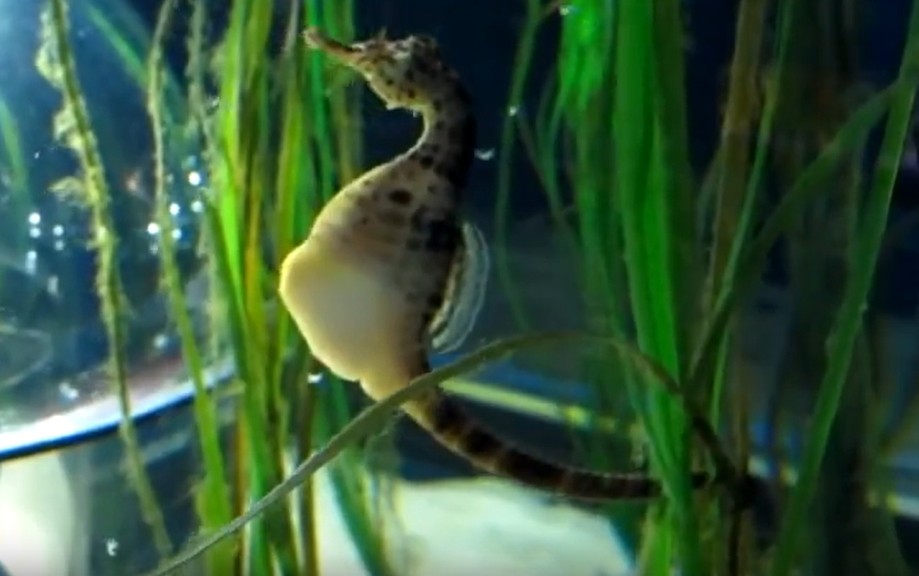
Big-belly seahorse
Hippocampus abdominalis
The big-belly seahorse has a forward-inclined head with a long snout, a swollen but narrow belly, …
Guide to marine fish with sorting and selection options by family, feeding method, size, and other important characteristics.
Showing 1–10 of 10
Hippocampus abdominalis
The big-belly seahorse has a forward-inclined head with a long snout, a swollen but narrow belly, …
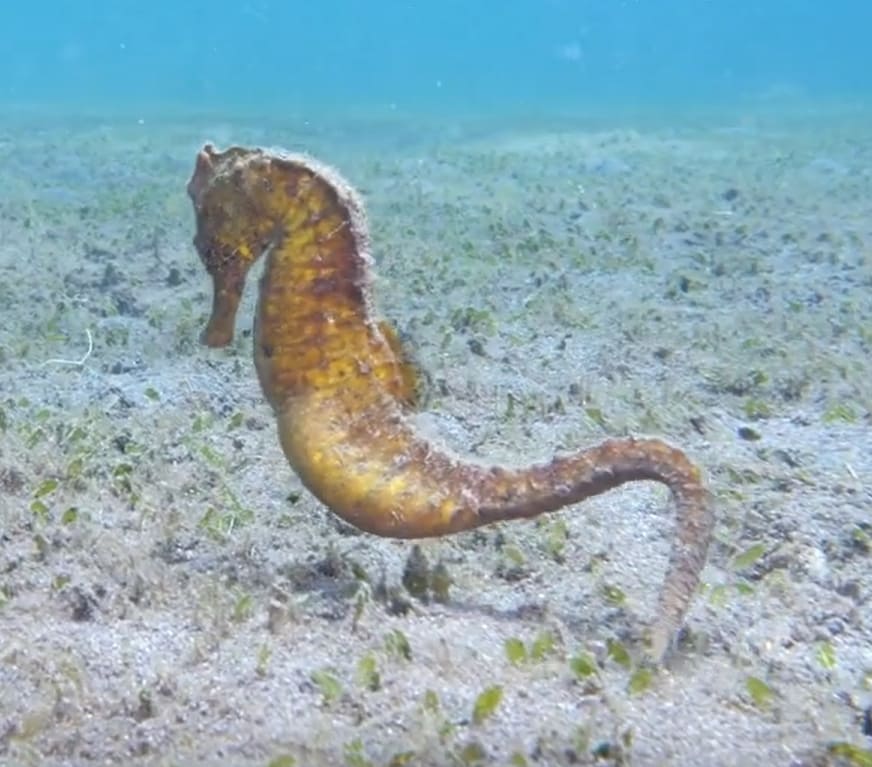
Hippocampus kuda
Body rather large, elongated, without spines, all convexities rounded. The head is relatively large in proportion …
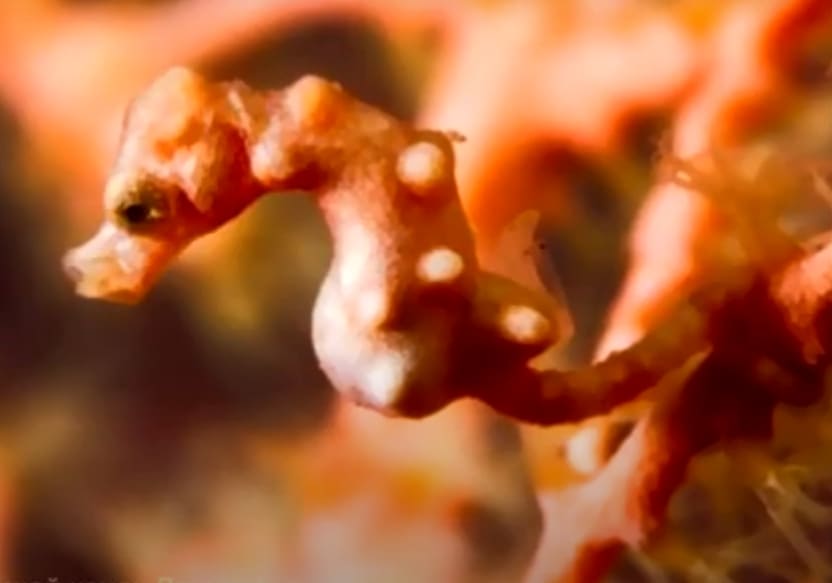
Hippocampus denise
Denise's pygmy seahorse has a short snout, a slender body and a stout tail. Its body …
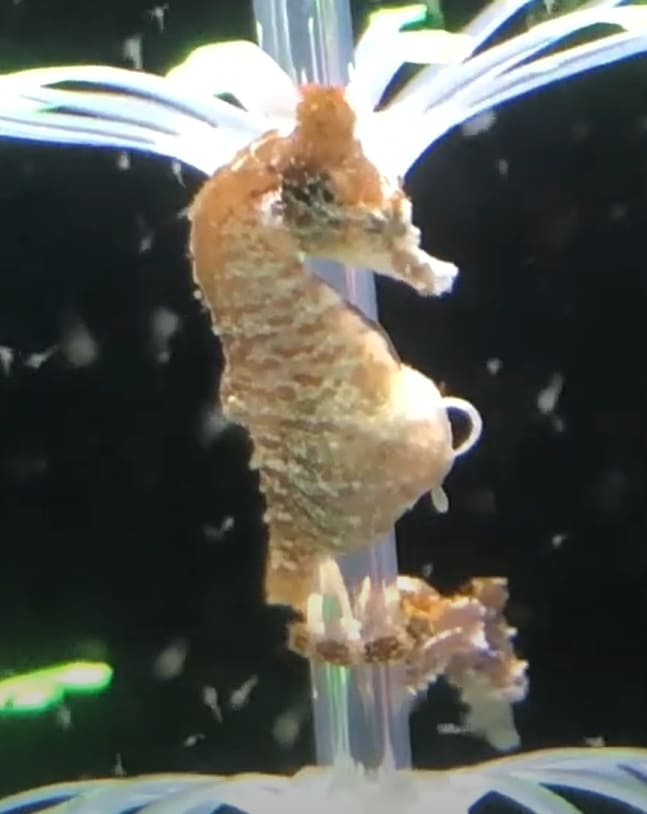
There are often small skin growths called tendrils that resemble algae. The head is at right …
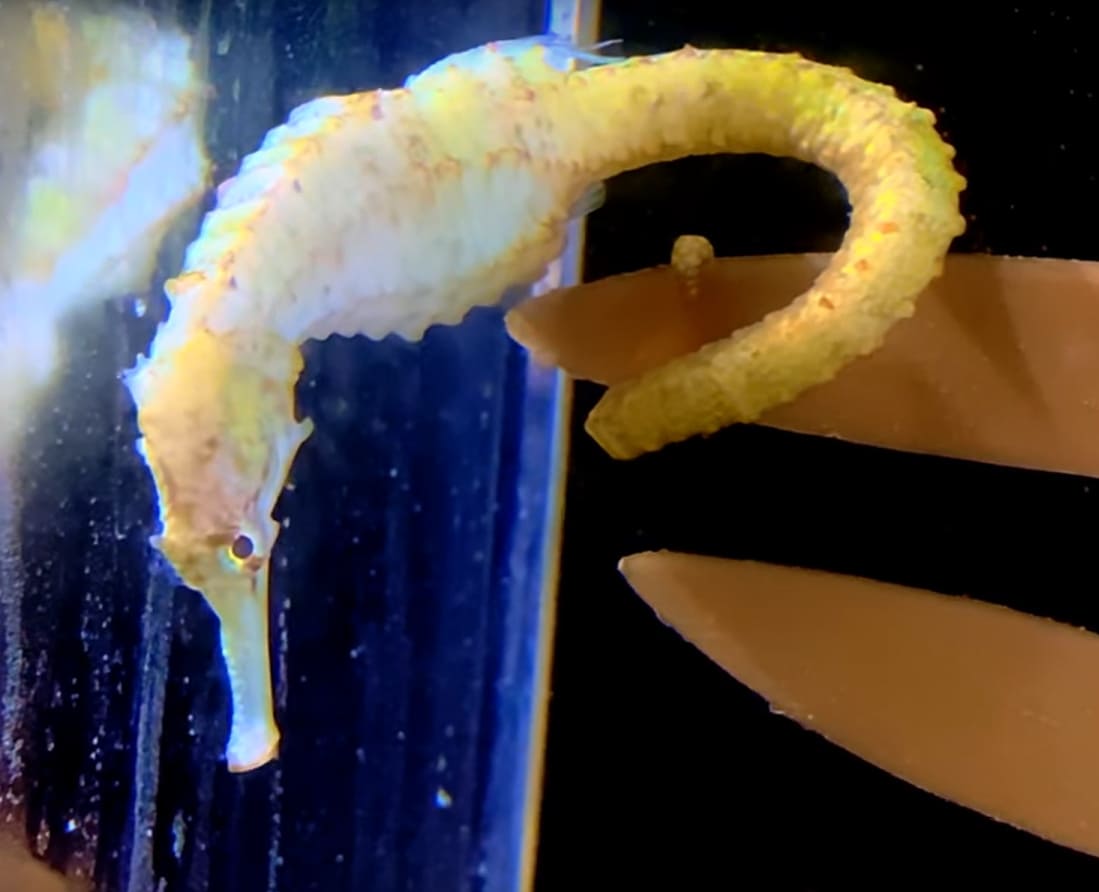
Hippocampus trimaculatus
The appearance of the flat-faced seahorse can vary, but it is usually flat with sharp, hook-like …
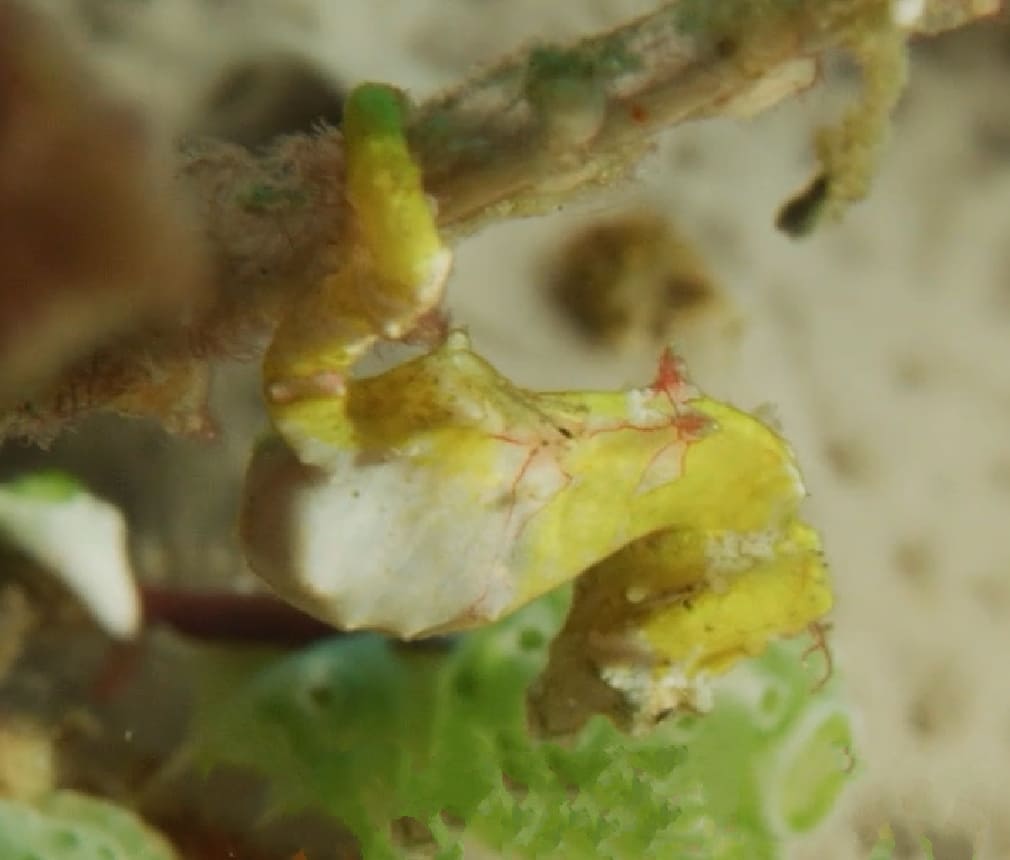
Hippocampus pontohi
The fish has a small and slender body with a tenacious tail. The head is relatively …
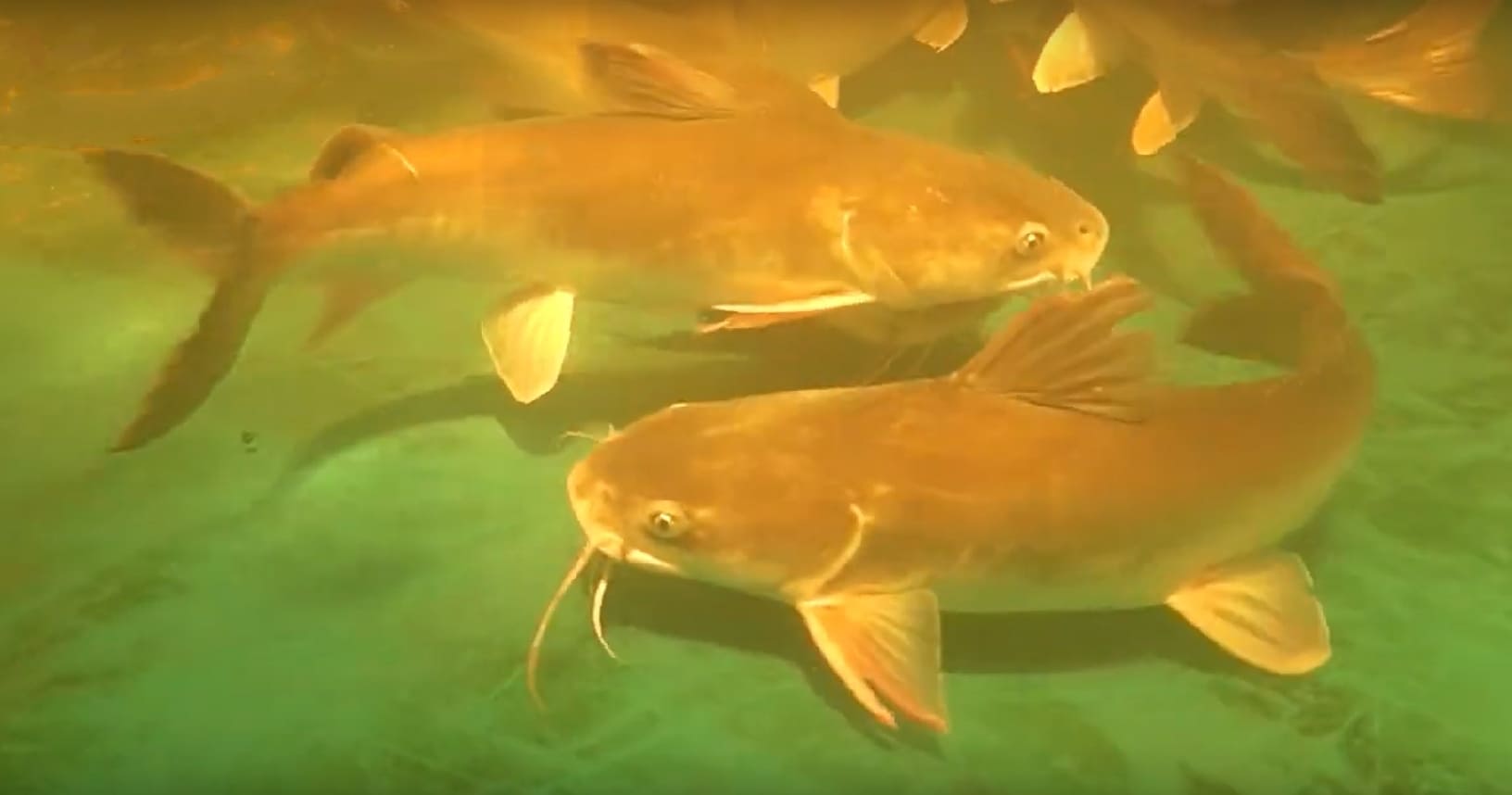
Neoarius leptaspis
It was described by Pieter Bleeker in 1862, originally within the genus Hexanematichthys.
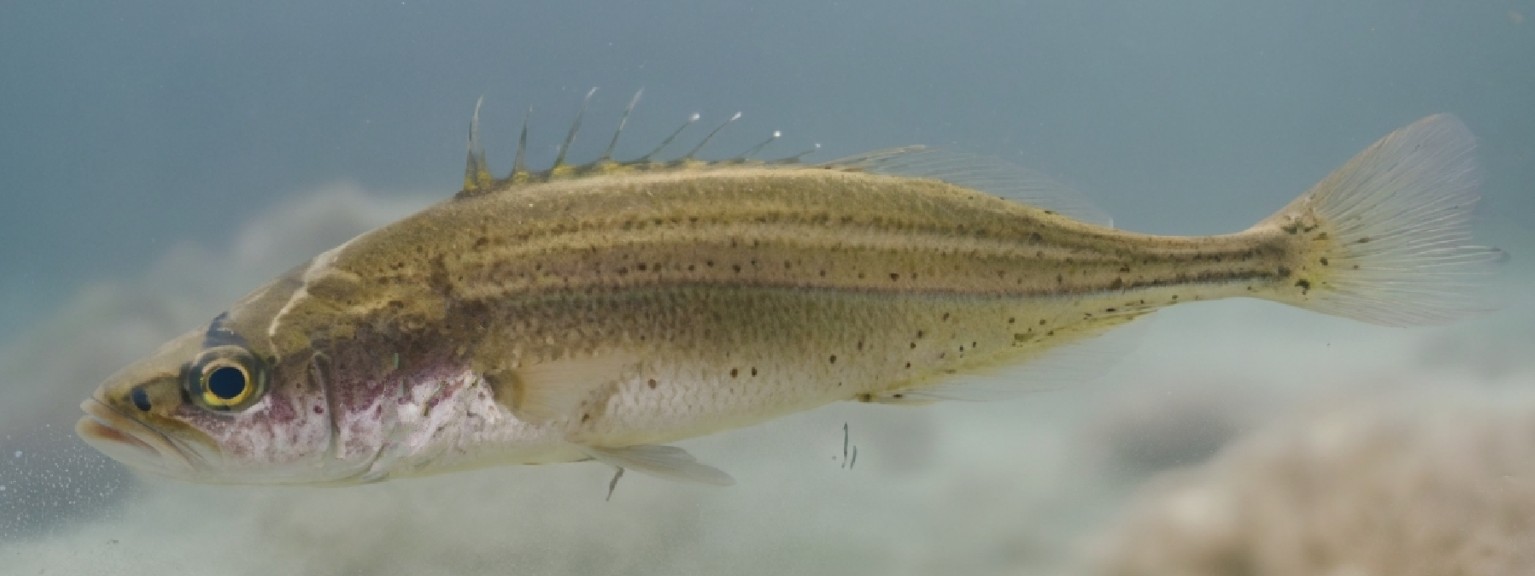
Pungitius platygaster
The southern ninespine stickleback can be distinguished from its European relatives by the large flaps on …
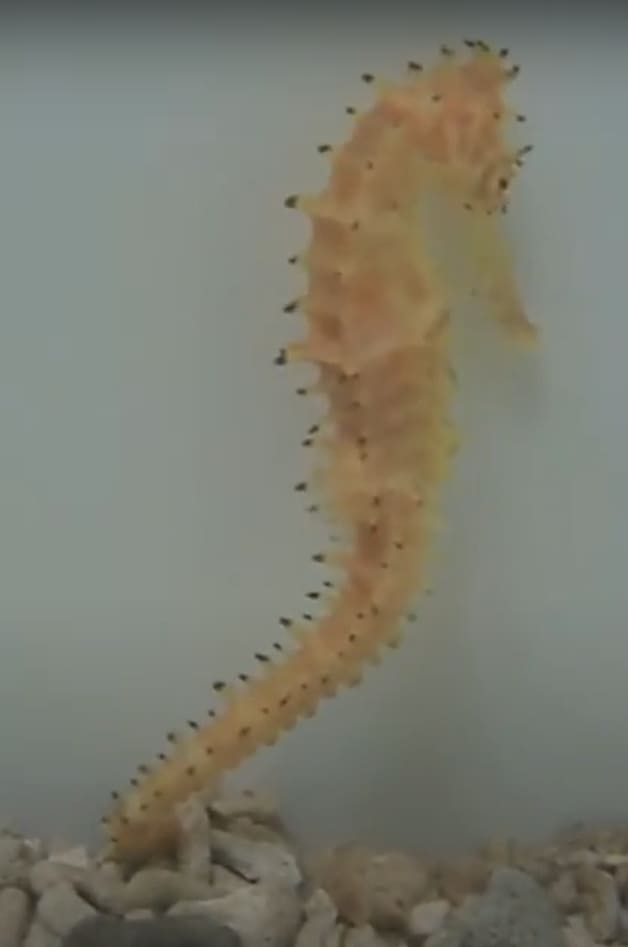
Hippocampus histrix
It has a slender, elongated, and fully spined body. They are sharp, with dark tips, and …
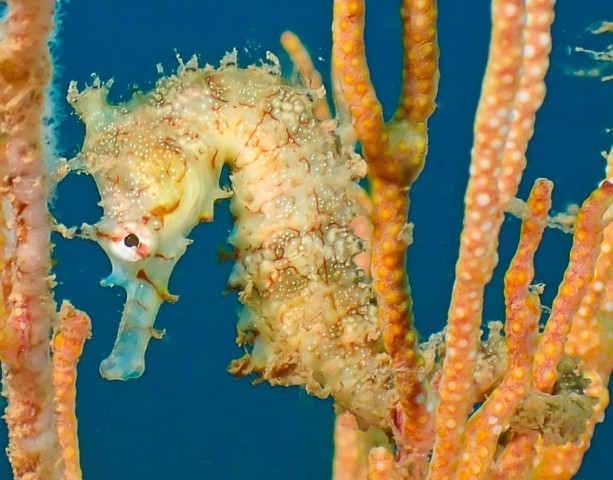
Hippocampus angustus
The western spiny seahorse can be recognised by its slender body, long snout, well-developed spines and …