 Allfishes
American plaice
Hippoglossoides platessoides
It has a slender body and a large mouth. The ocular side is covered with ctenoid …
Guide to marine fish with sorting and selection options by family, feeding method, size, and other important characteristics.
Showing 1–14 of 14
Hippoglossoides platessoides
It has a slender body and a large mouth. The ocular side is covered with ctenoid …
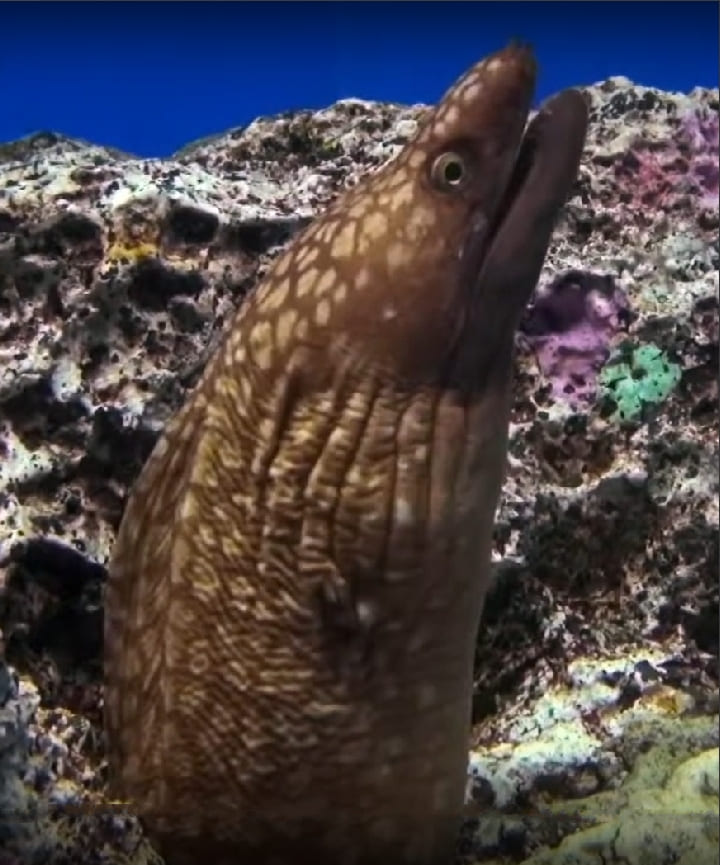
Gymnothorax prionodon
The teeth of the Australian mottled moray are located on two pairs of jaws - the …
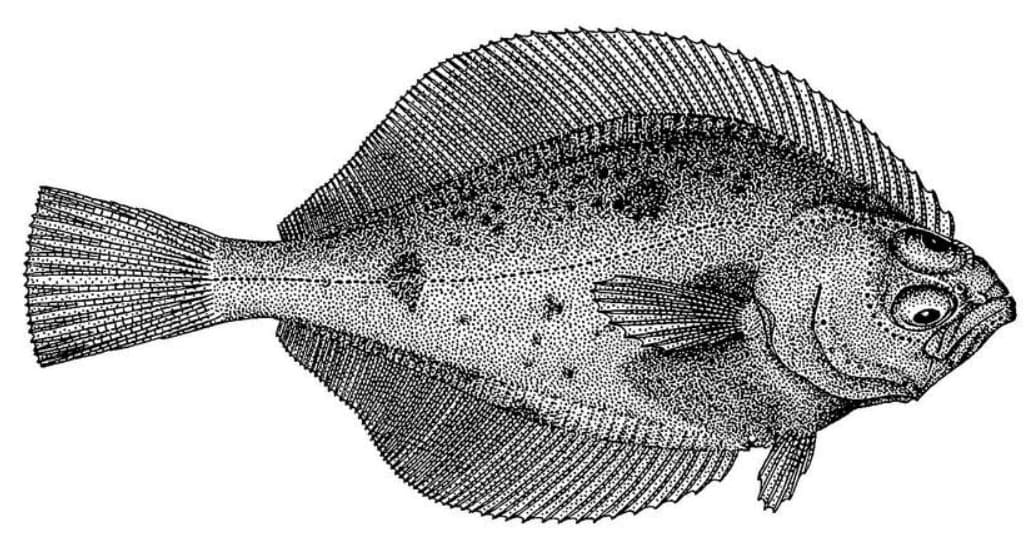
Hippoglossoides robustus
The mouth is large. The teeth on each jaw are arranged in a single row. The …
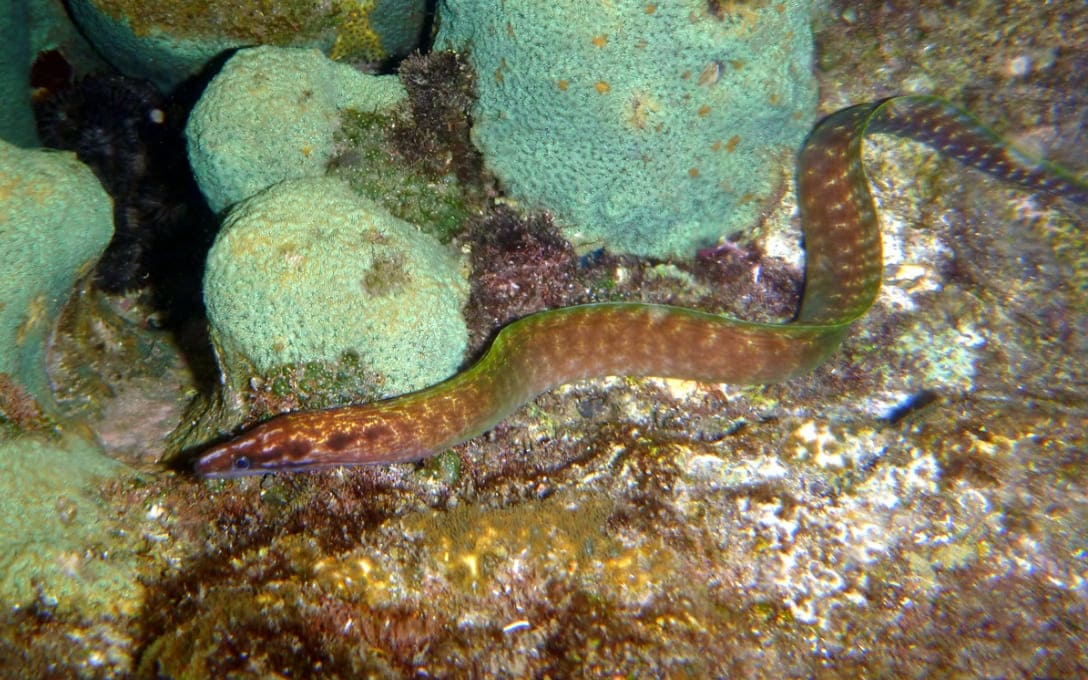
Gymnothorax margaritophorus
The species was first named by Pieter Bleeker in 1864.Have 126-143 vertebrae. Also characterized by depth …
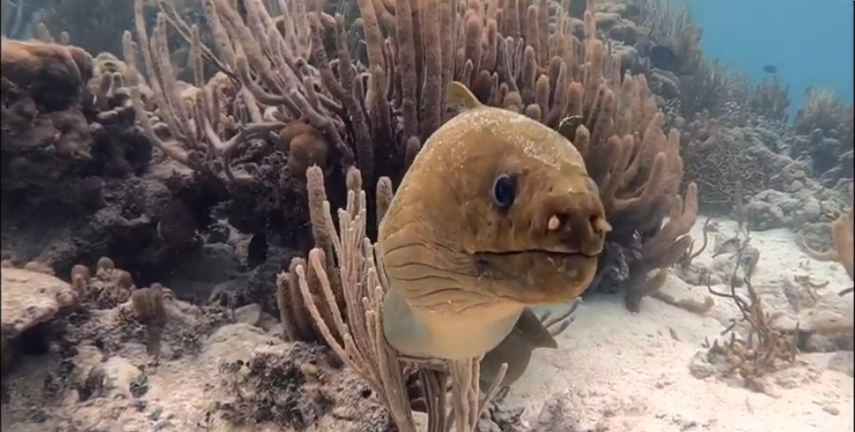
Gymnothorax funebris
The body of a typical moray eel is flattened from the sides, the pectoral fins are …
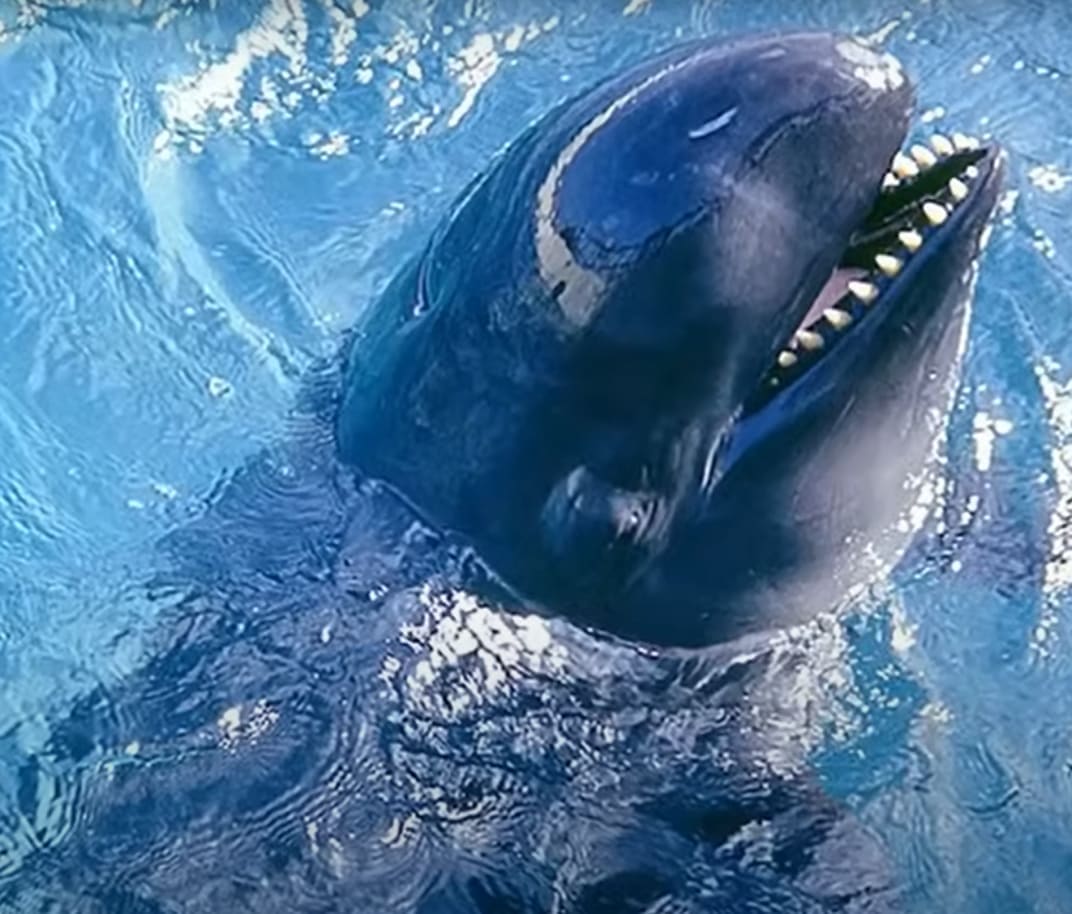
Pseudorca crassidens
The head is rounded, with a melon-shaped forehead. The body is elongated. The upper jaw is …
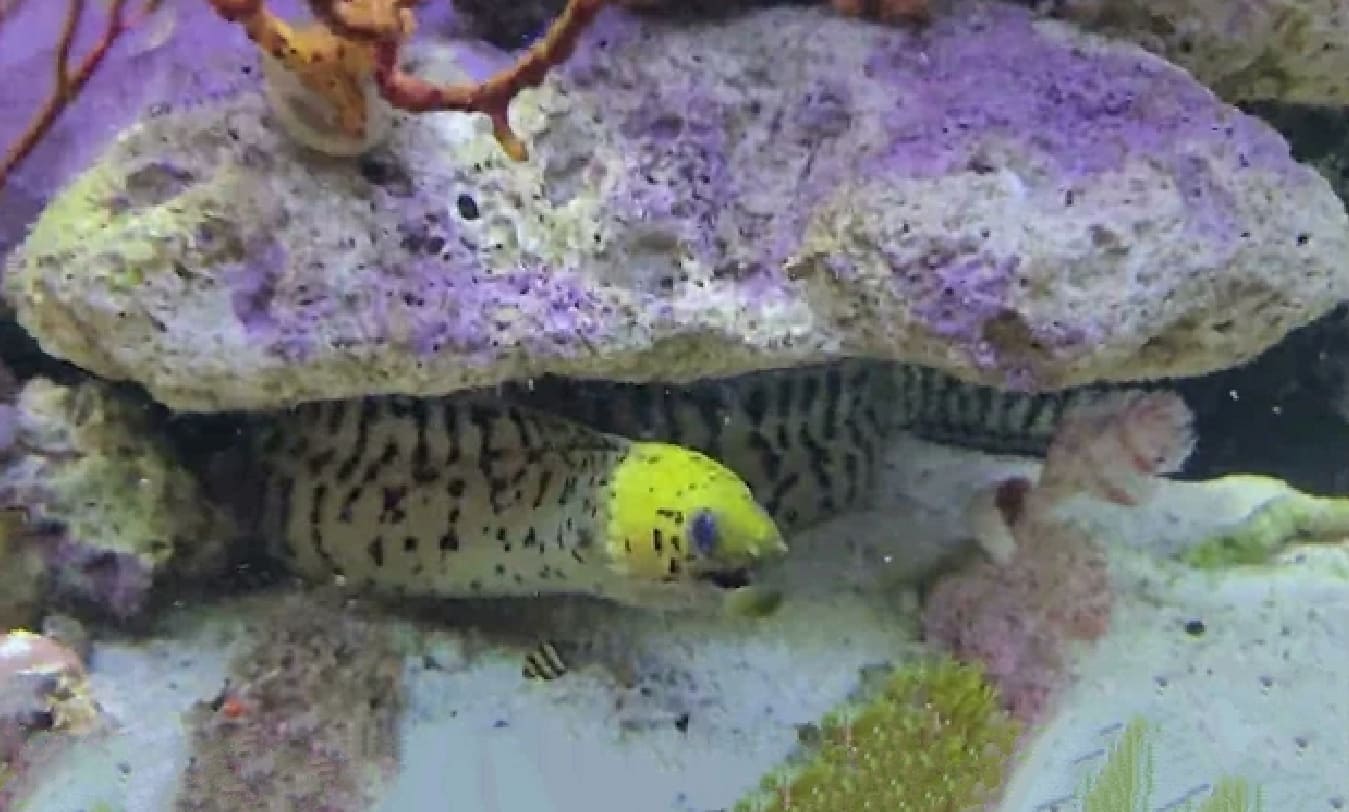
Gymnothorax fimbriatus
Fimbriated moray eels have a serpentine body and a pointed head. They have between 128 and …
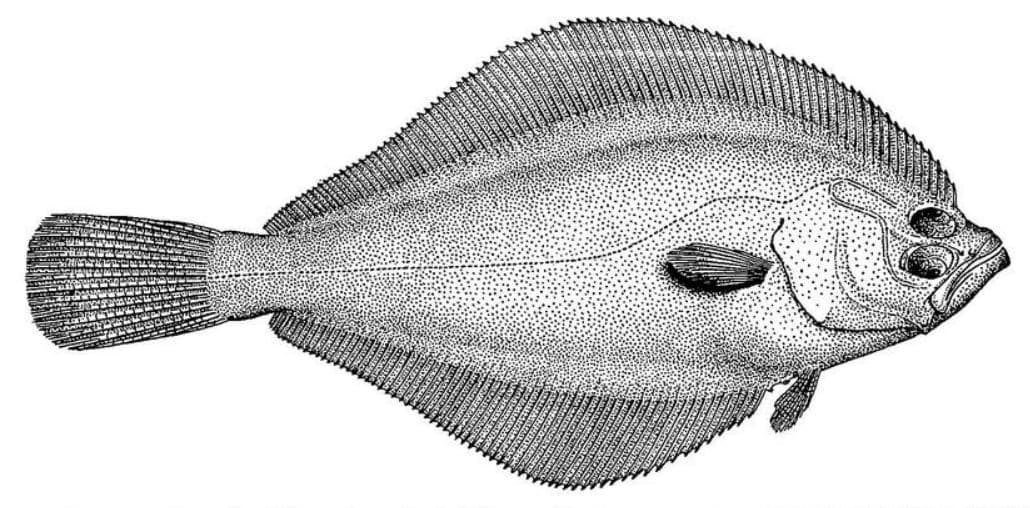
Hippoglossoides dubious
Body moderately tall, strongly compressed laterally, covered with ctenoid scales on the ocular side and cycloid …
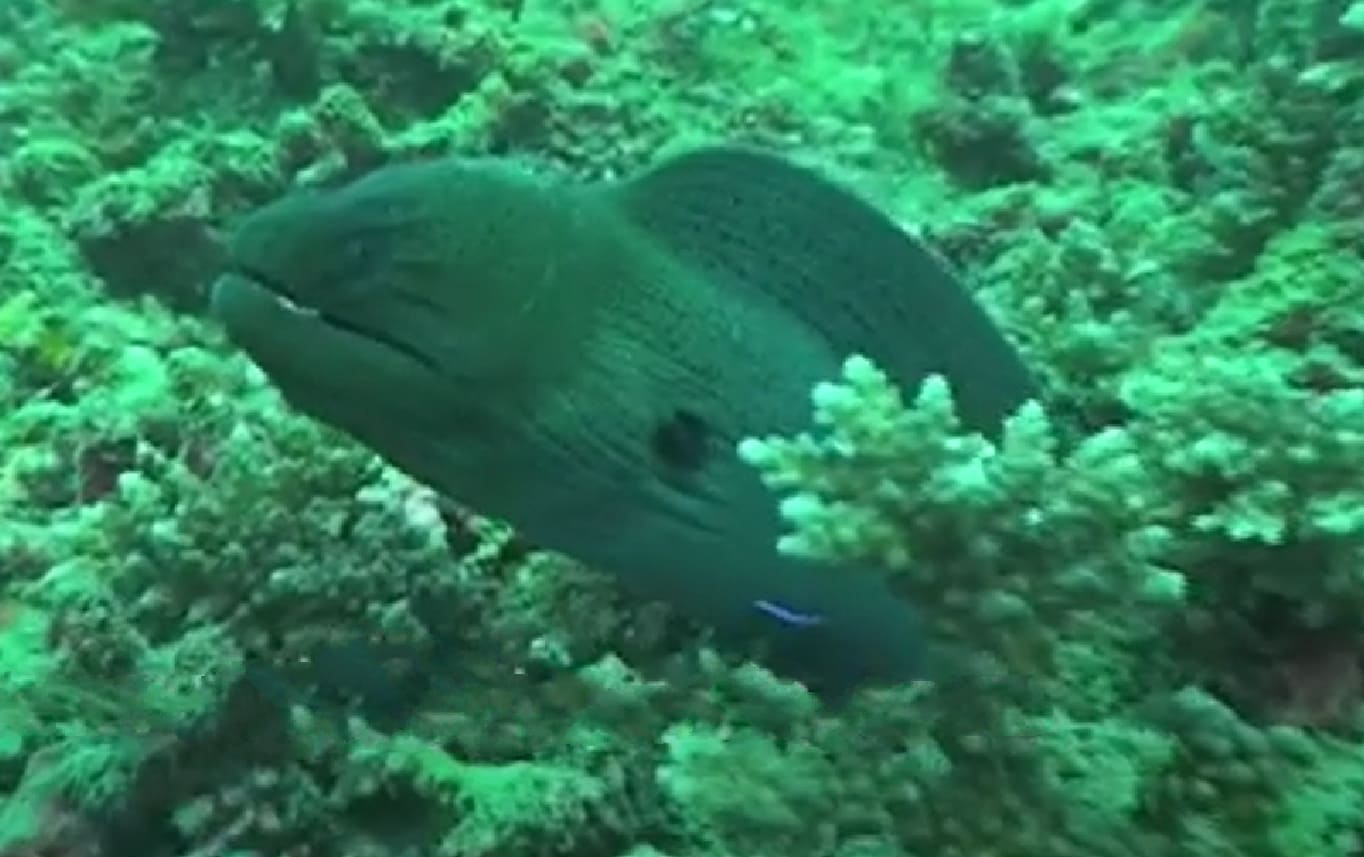
Gymnothorax javanicus
The body is compressed from the sides and covered with a layer of mucus, which allows …
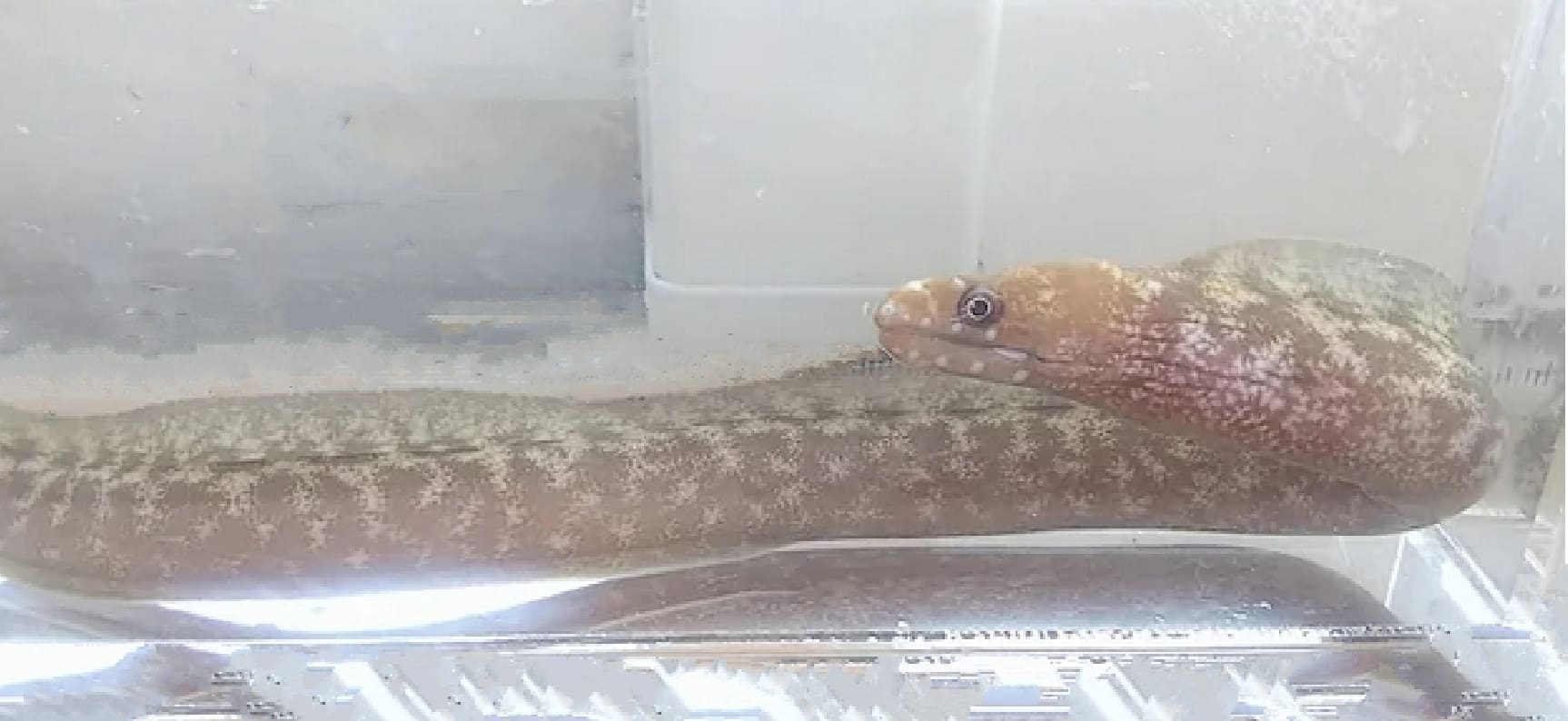
Gymnothorax chilospilus
The species was first named by Pieter Bleeker in 1864. Lipspot morays have 121-133 vertebrae.
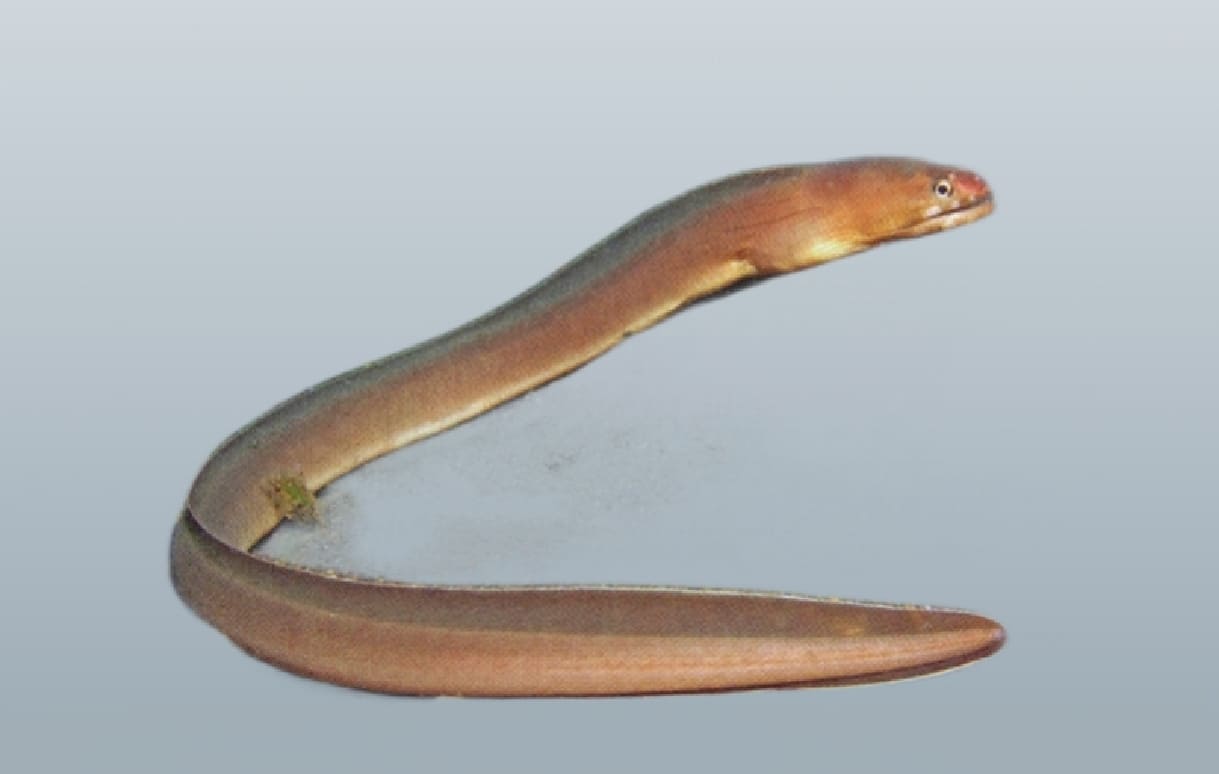
Gymnothorax angusticauda
The Narrowtail moray was first named by Weber and de Beaufort in 1916. They have 143 …
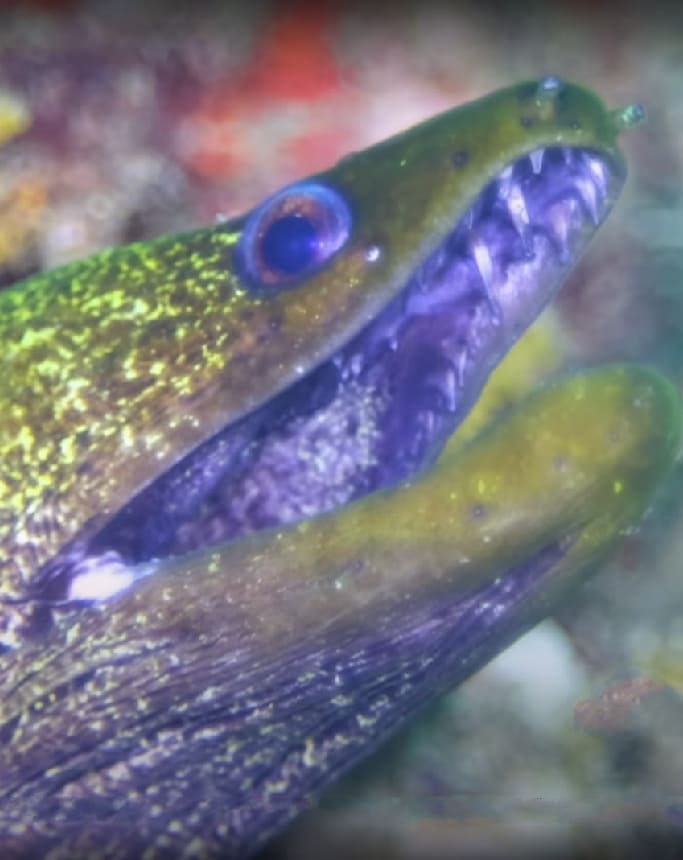
Gymnothorax undulatus
The body is elongated, without scales. The body height is 14-17 times the total body length. …
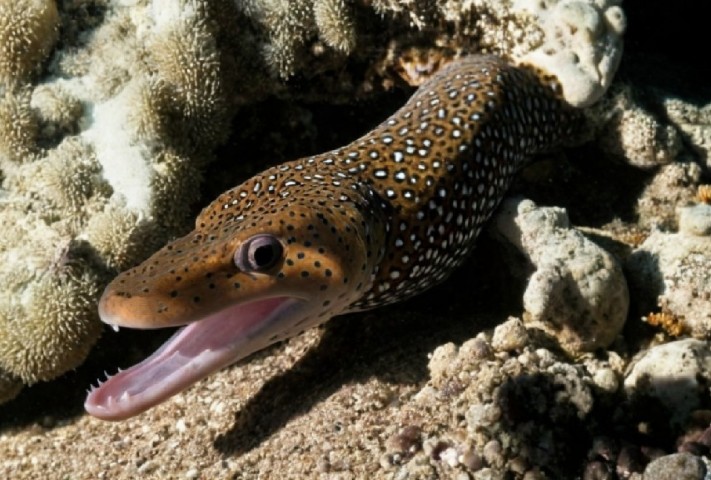
Gymnothorax johnsoni
Gymnothorax: Greek, gymnos = naked + Greek, thorax, -akos = breast. It was first named Smith …
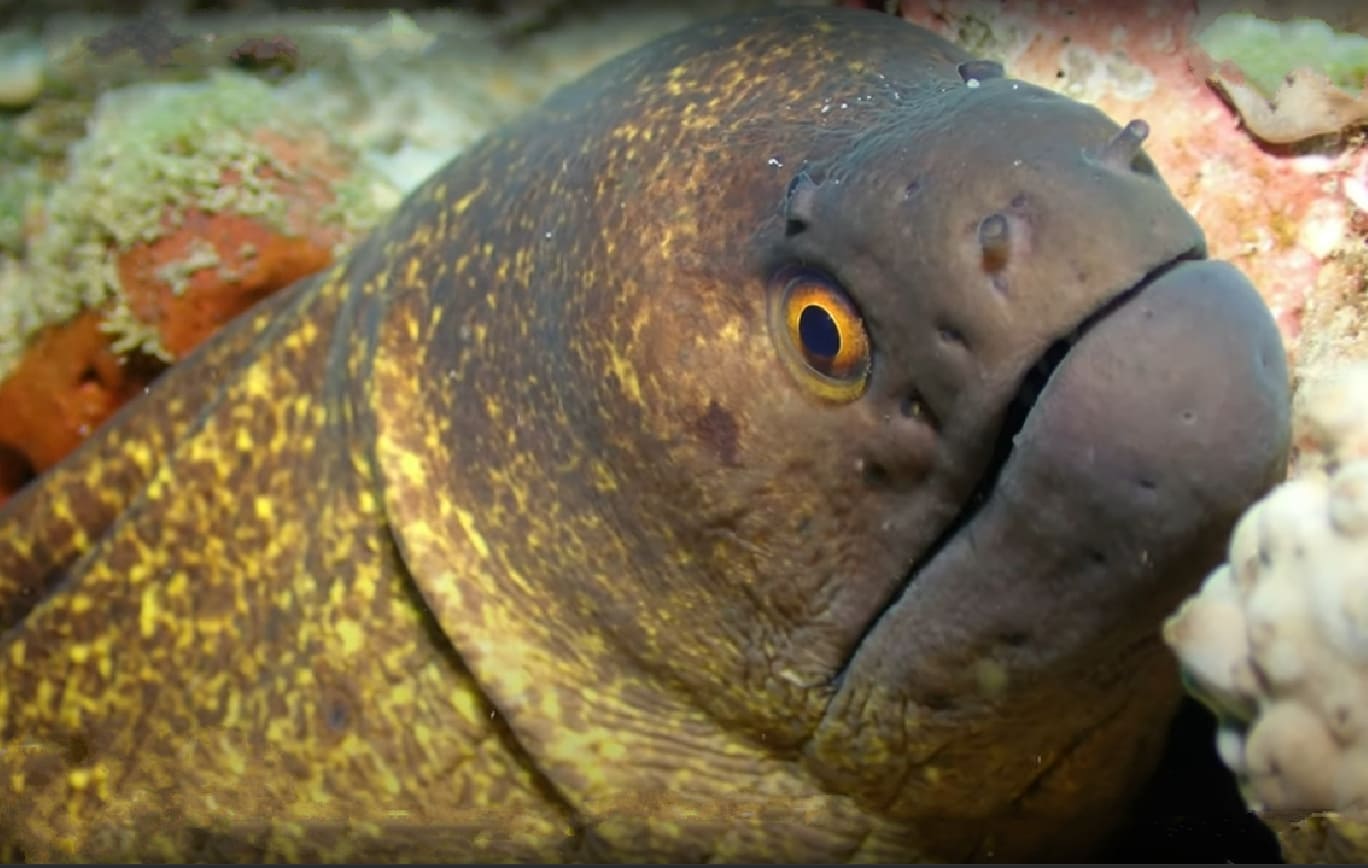
Gymnothorax flavimarginatus
The body of the yellow-edged moray is elongated, without scales. The body length is 15-17 times …