 Allfishes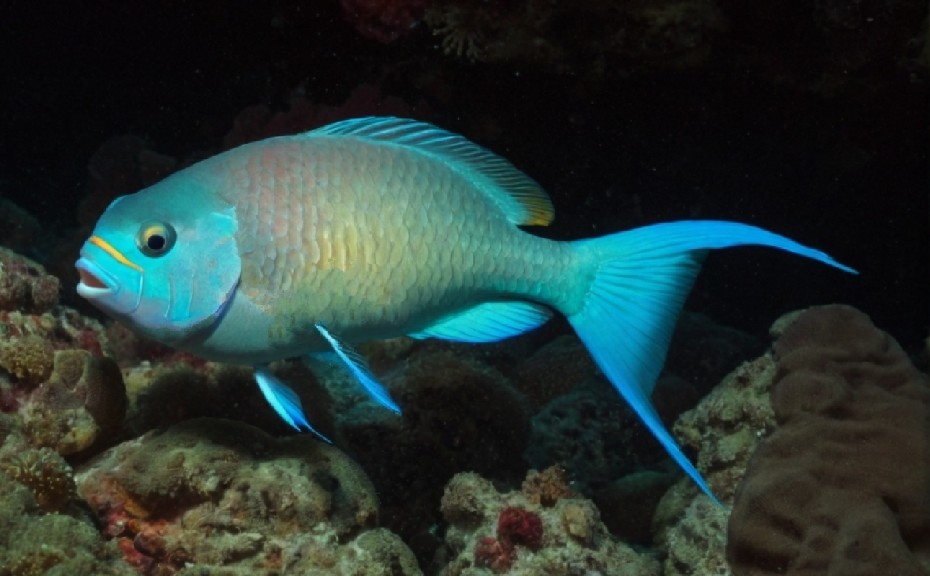
Ember parrotfish
Scarus rubroviolaceus
The genus name, Scarus, comes from the Greek word "skaros", meaning "parrotfish". The body of the …
Guide to marine fish with sorting and selection options by family, feeding method, size, and other important characteristics.
Showing 1–11 of 11
Scarus rubroviolaceus
The genus name, Scarus, comes from the Greek word "skaros", meaning "parrotfish". The body of the …
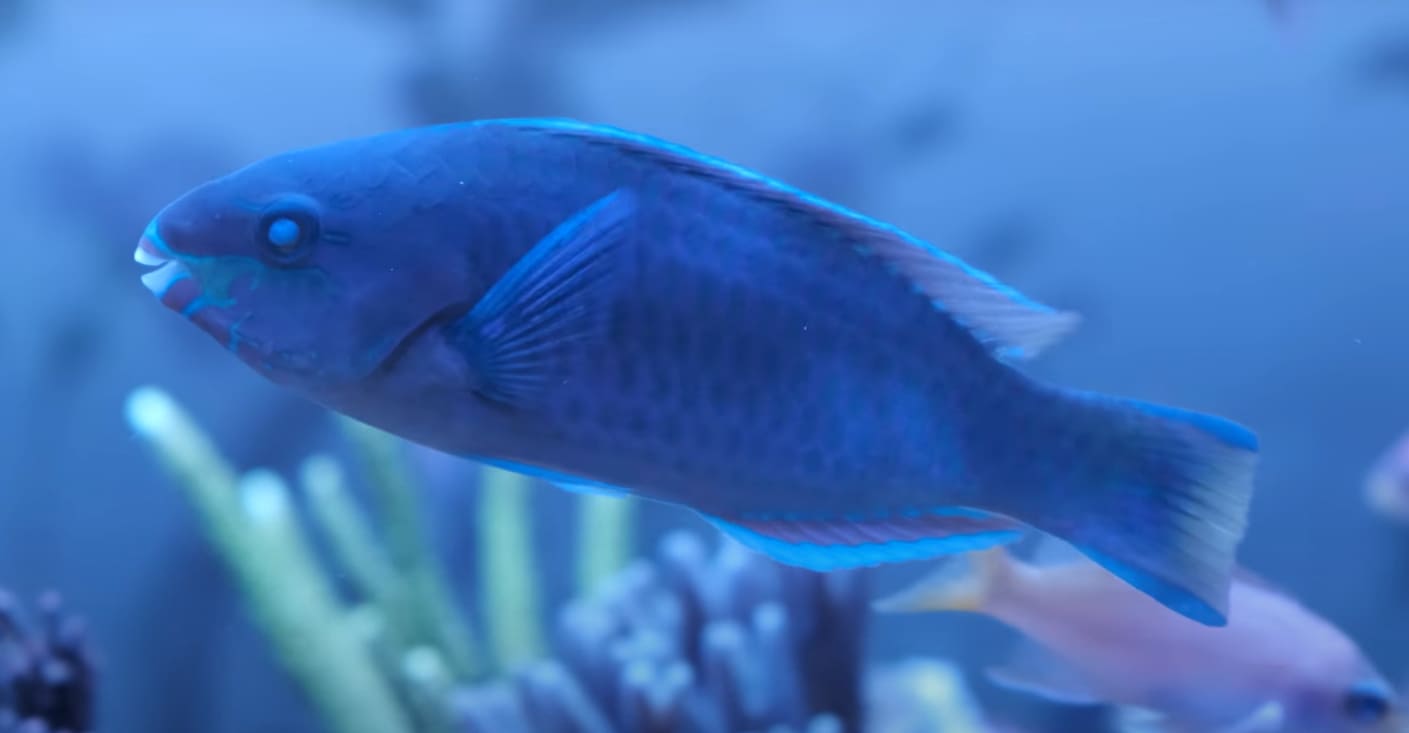
Scarus quoyi
This species is characterized by the following features: 6 median prebronchial scales; 3 rows of cheek …
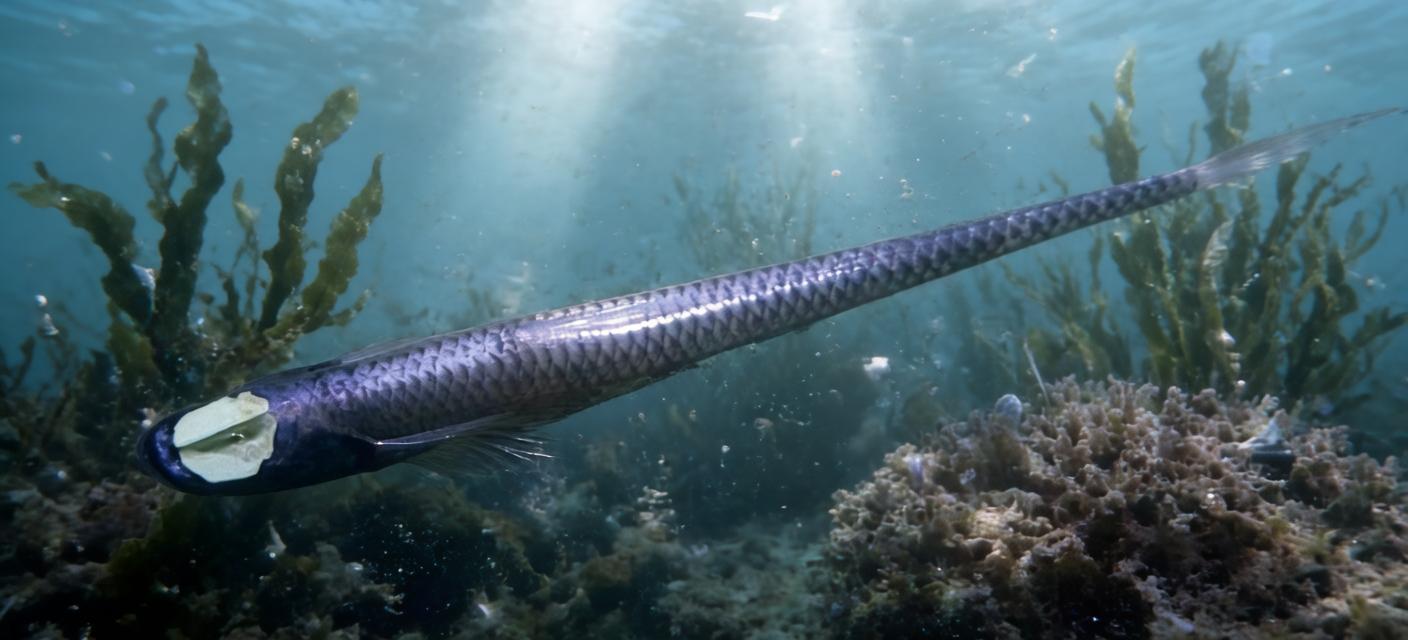
Ipnops murrayi
The grideye fish has a slender, black body with a relatively large head and a broad, …
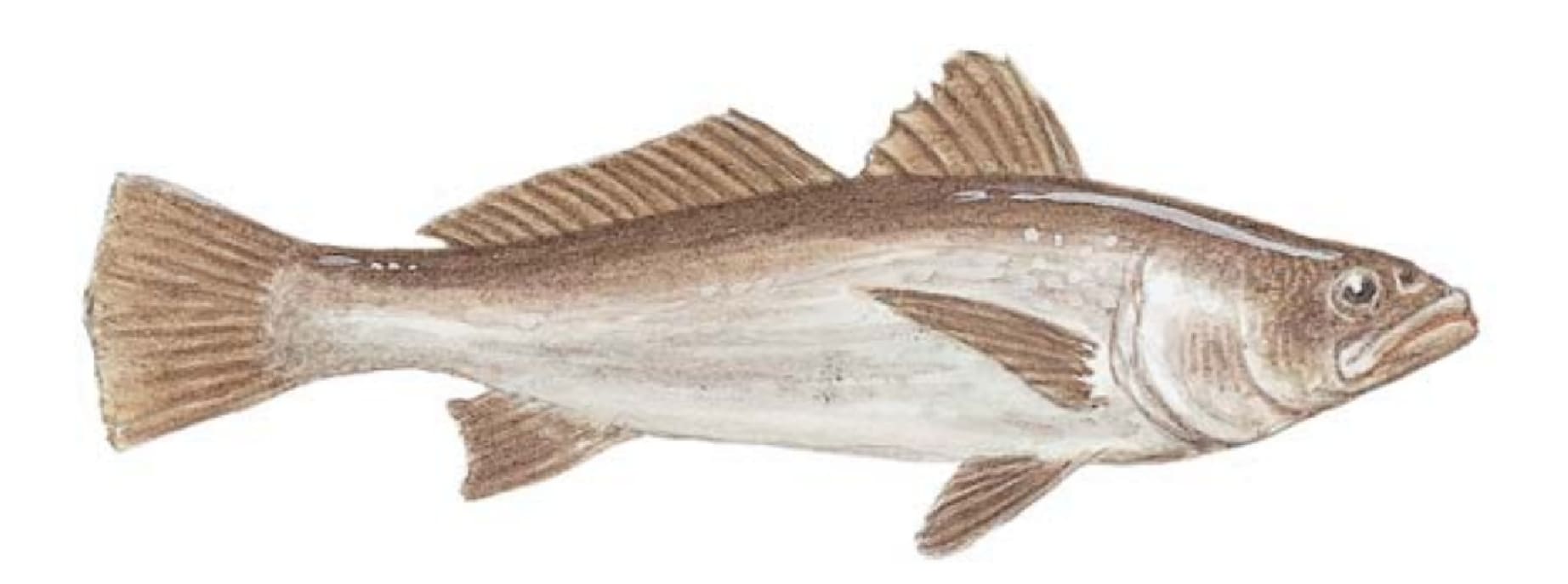
Cynoscion xanthulus
They usually have a silvery-sand coloration that blends in with their surroundings. Most of them are …
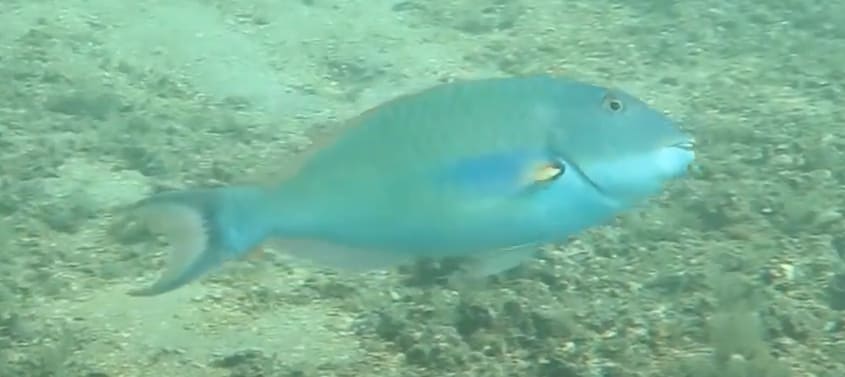
Scarus taeniopterus
Known for their beak-shaped jaws that fuse with their teeth. Their individual teeth allow them to …
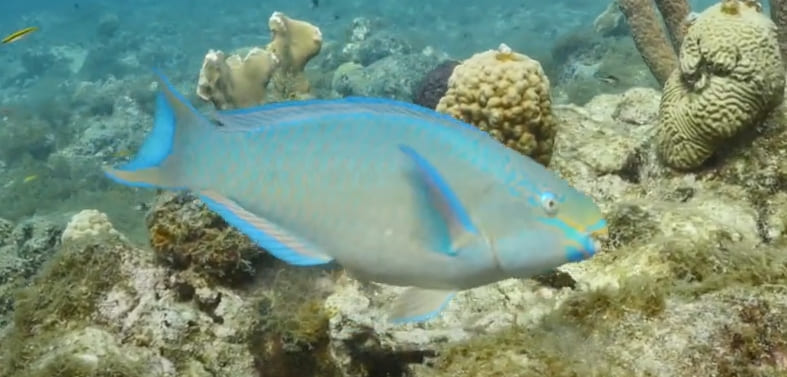
Scarus vetula
Adults are large fish with a spindle-shaped body and a beak-like mouth.
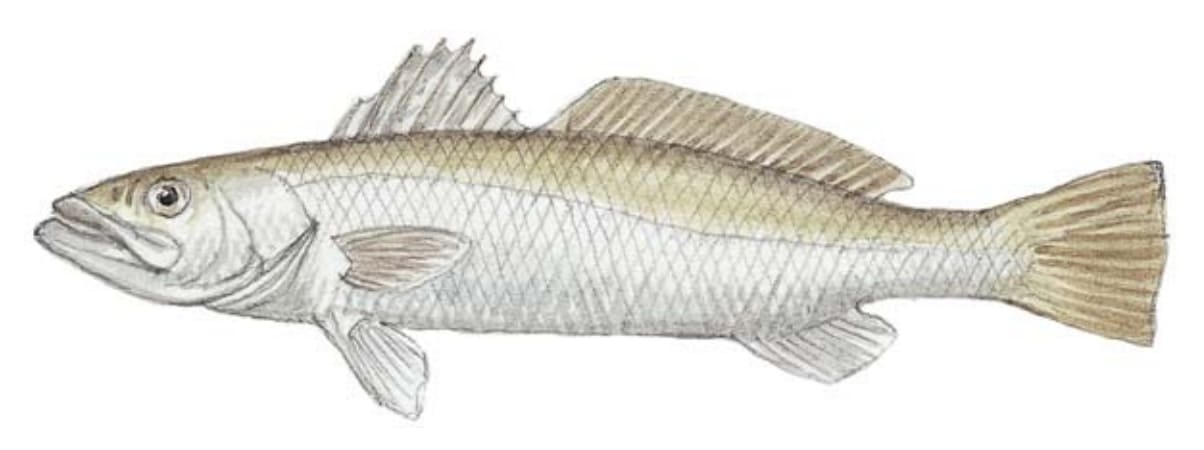
Cynoscion arenarius
Its coloration is pale yellow on the back and silvery white underneath, without any clear spots. …
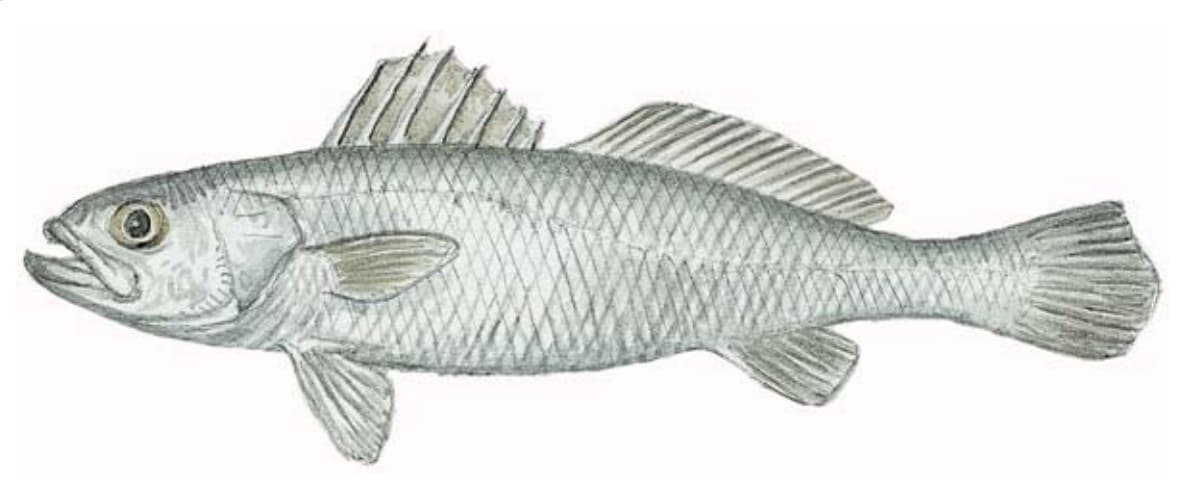
Cynoscion nothus
The coloration is pale straw or hazel on the back and silvery-white underneath, without clearly defined …
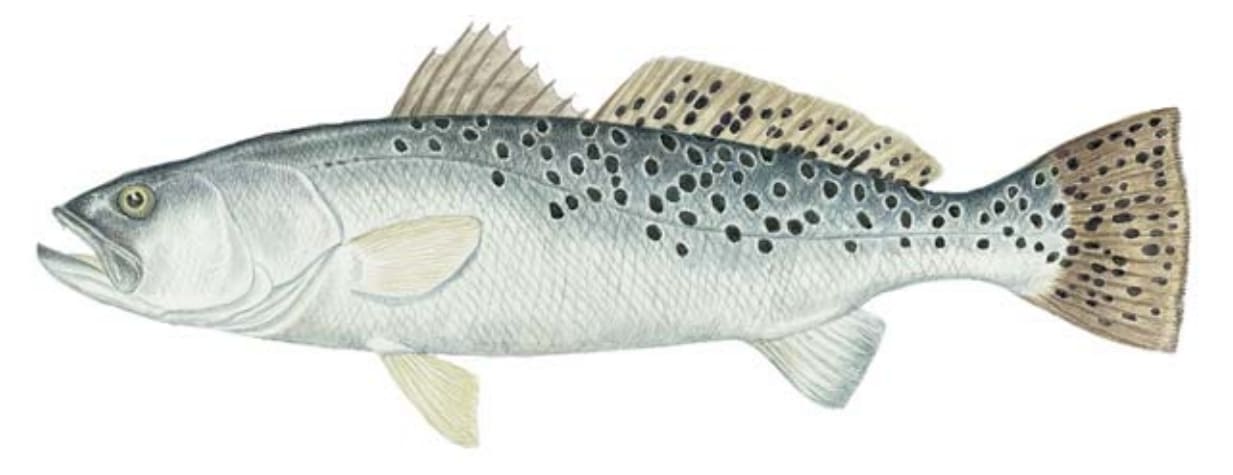
Cynoscion nebulosus
The spotted seatrout has an elongated body with a more regular and straight tail fin with …
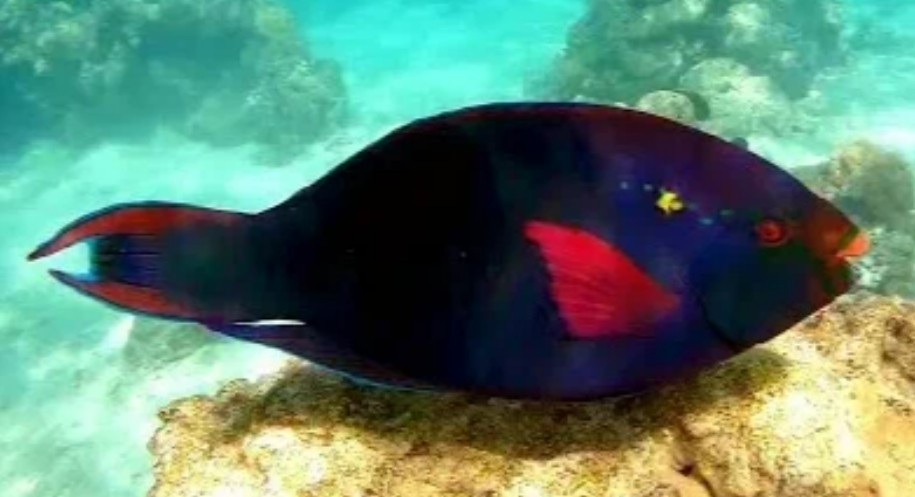
Scarus niger
The swarthy parrotfish is famous for its ability to radically change appearance throughout its life. These …
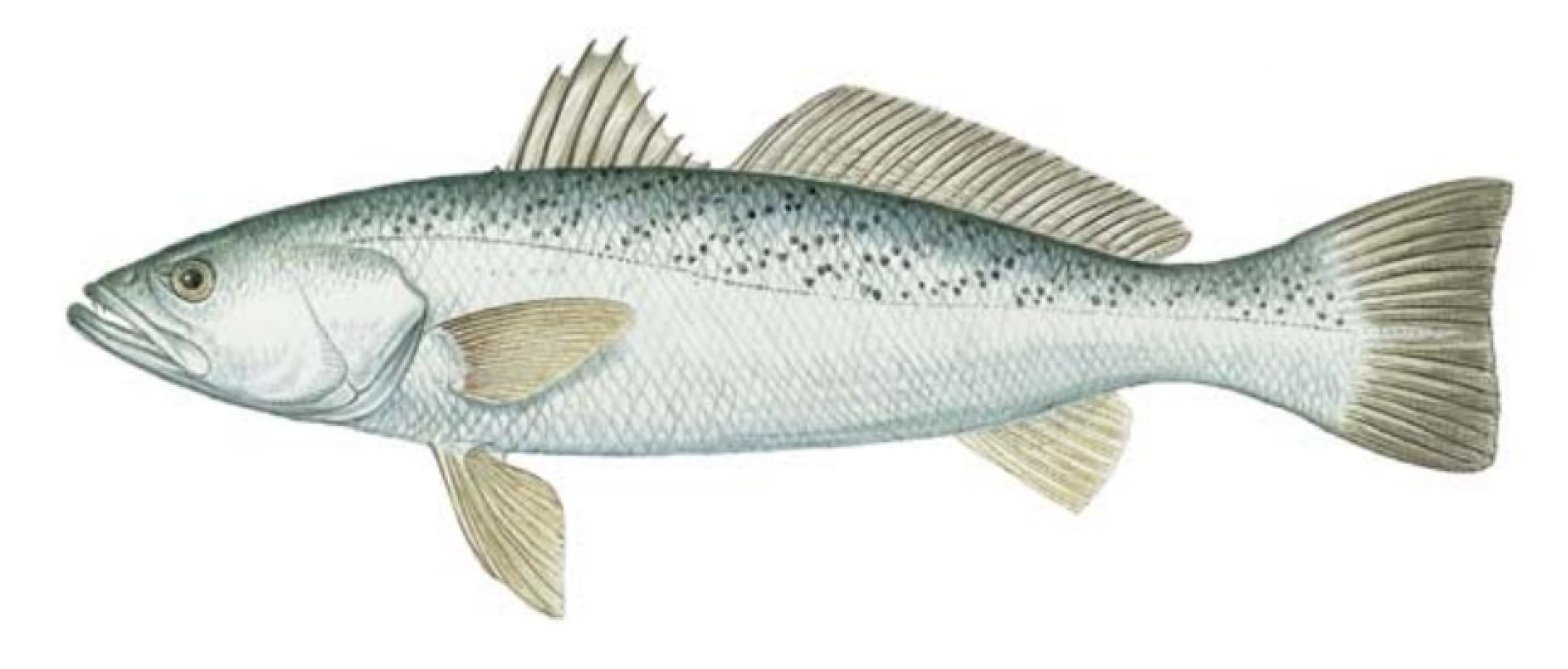
Cynoscion regalis
The body of the weak fish is slender and resembles that of a trout. The lower …