 Allfishes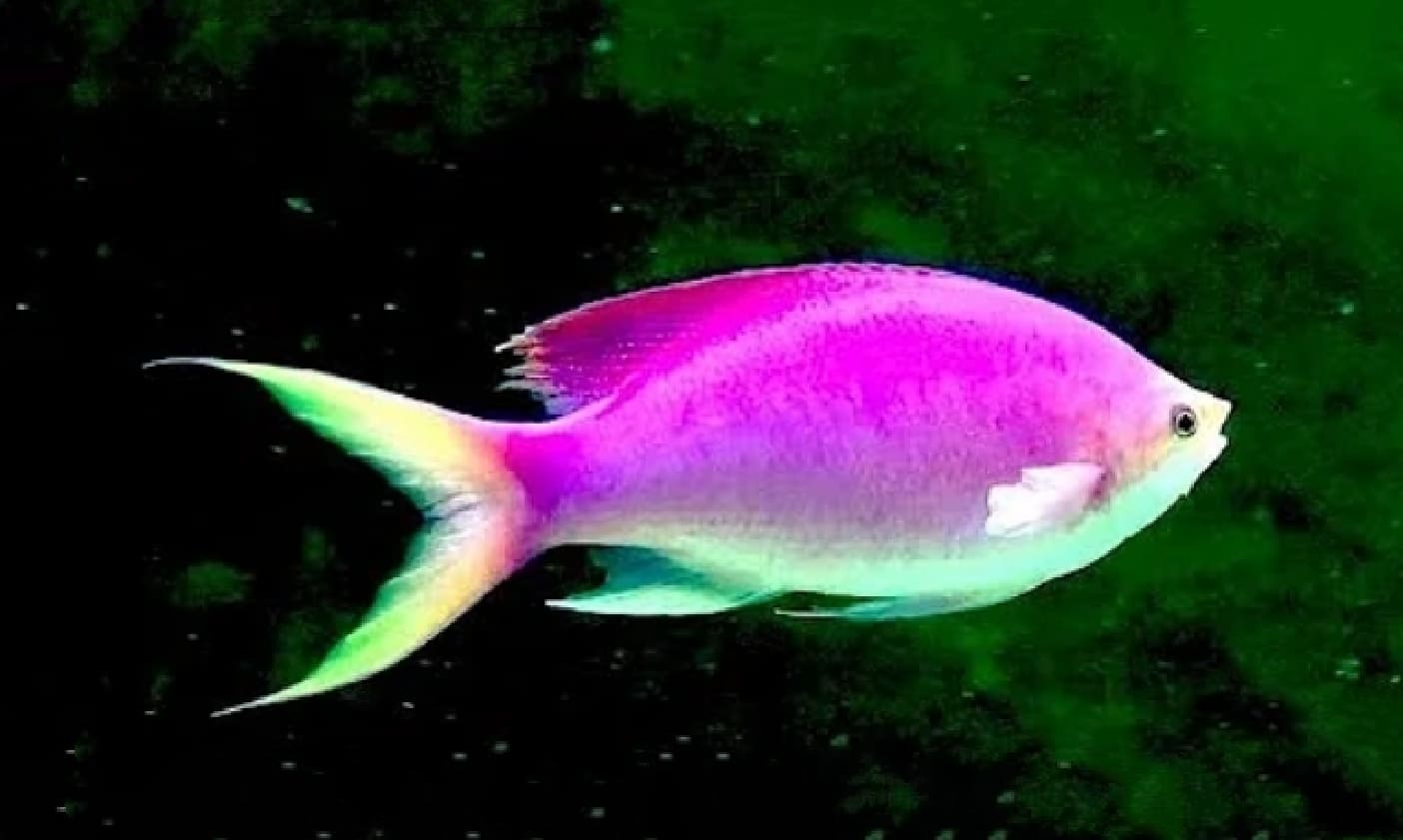
Amethyst anthias
Mirolabrichthys pascalus
The Amethyst Anthias has a massive body, a large mouth and spiny gill covers.
Guide to marine fish with sorting and selection options by family, feeding method, size, and other important characteristics.
Showing 1–12 of 12
Mirolabrichthys pascalus
The Amethyst Anthias has a massive body, a large mouth and spiny gill covers.
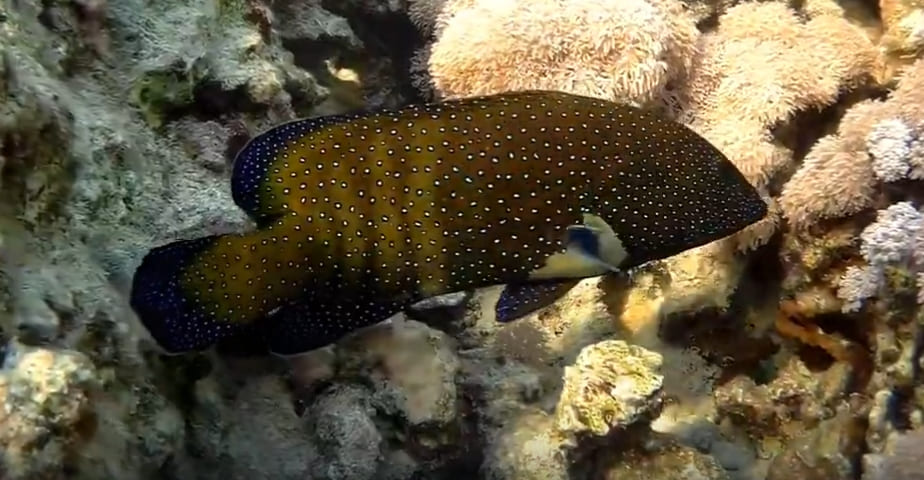
Cephalopholis argus
The body of the bluespotted grouper is elongated, massive, somewhat compressed at the sides, cylindrical in …
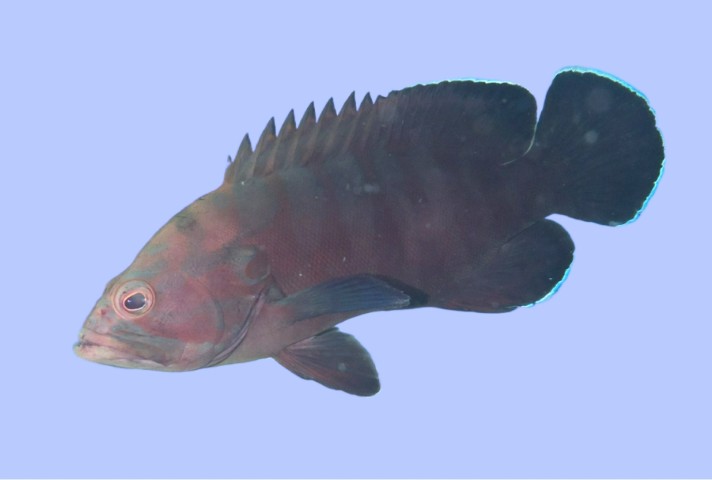
Cephalopholis boenak
Body of chocolate hind elongate, massive, somewhat compressed at the sides; sides covered with ctenoid scales. …
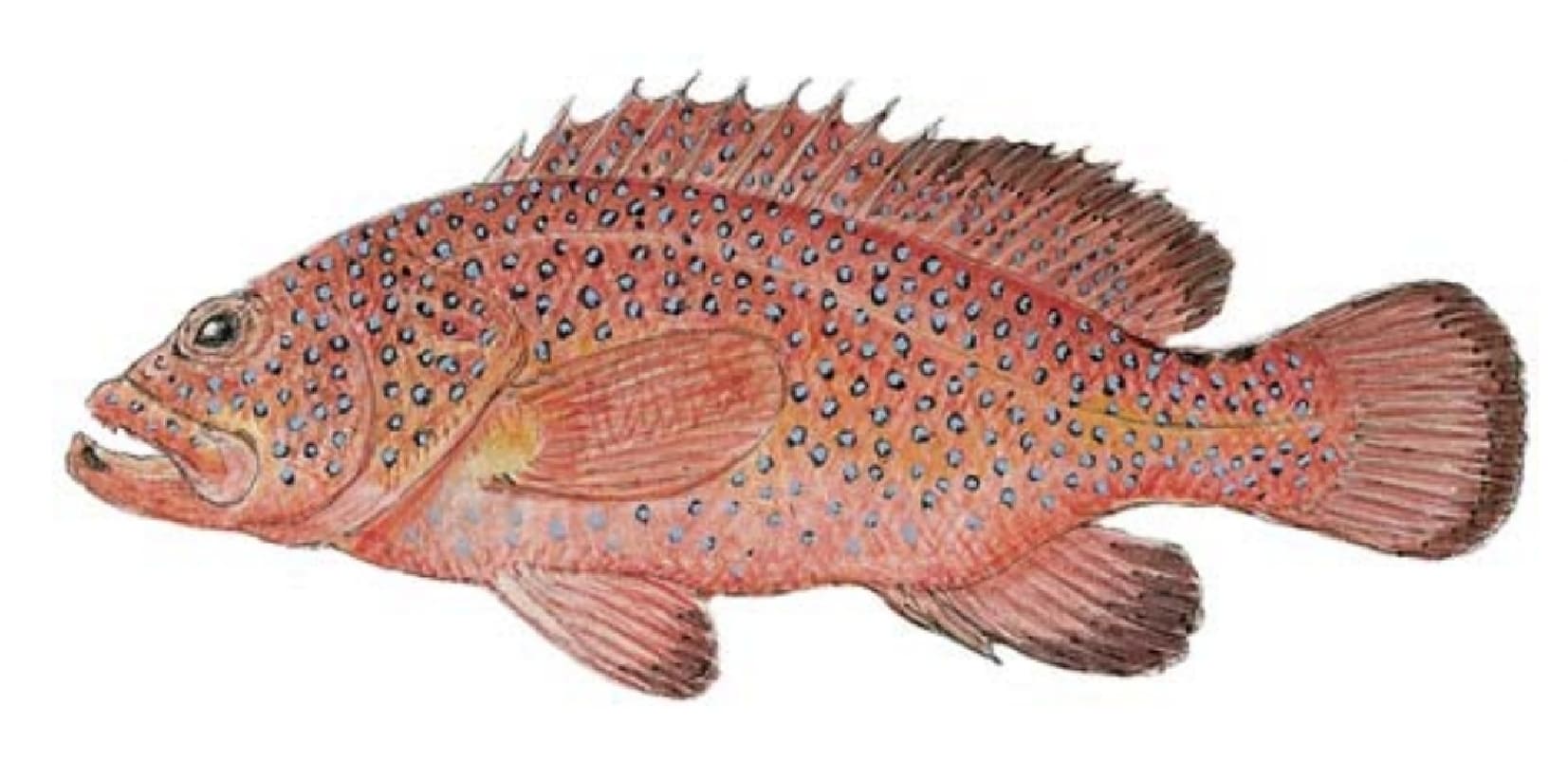
Cephalopholis fulva
The Coney has many color phases, you should not try to identify this fish by color. …
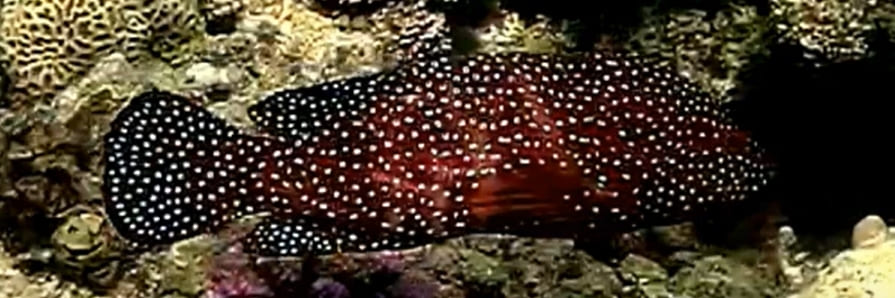
Cephalopholis miniata
Body elongate, massive, slightly compressed at the sides, covered on the sides with ctenoid scales. Body …
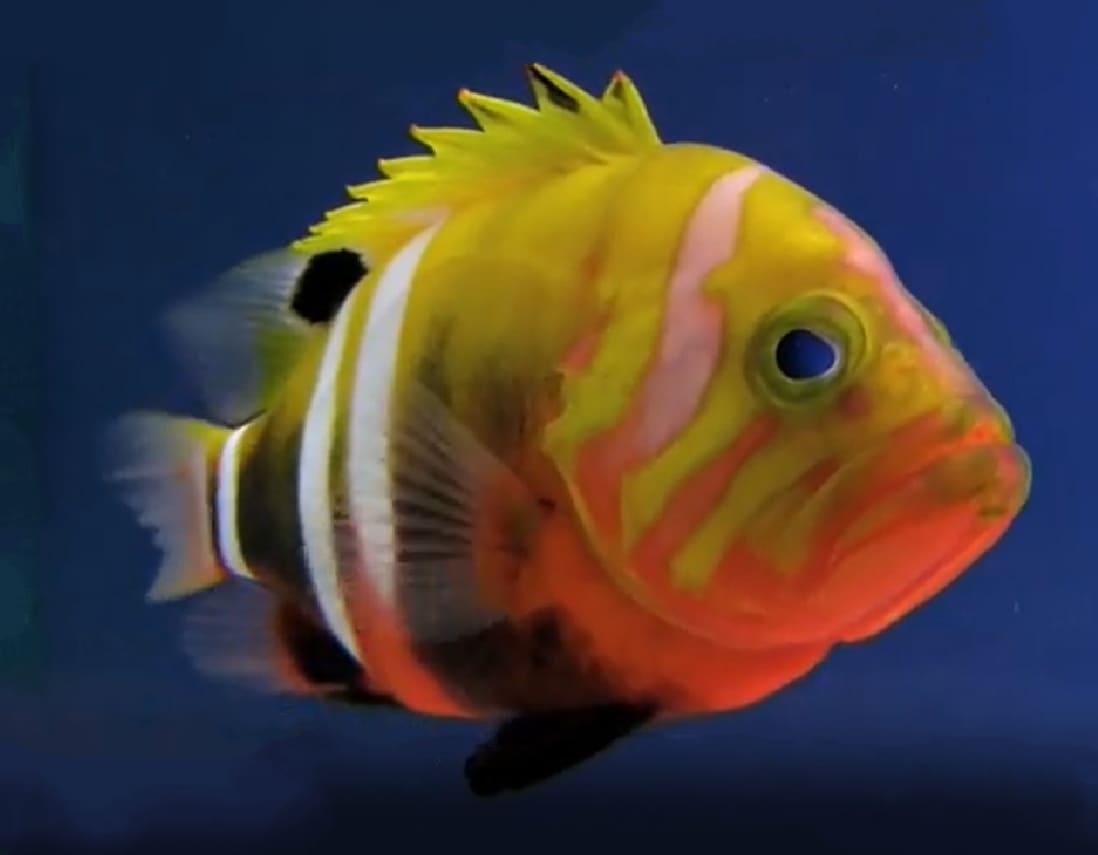
Cephalopholis igarashiensis
The garish hind has an elongated, massive body, somewhat compressed at the sides and covered on …
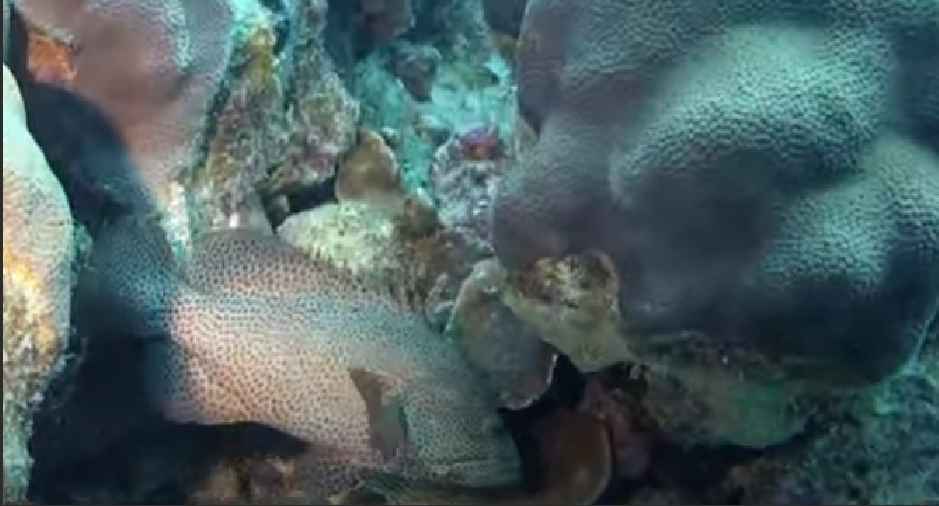
Cephalopholis cruentata
Graysby's colors range from pale gray to dark brown, with many dark oranges, red-brown spots on …
Cephalopholis argus
The body of the peacock hind is elongated, massive, somewhat compressed at the sides, cylindrical in …
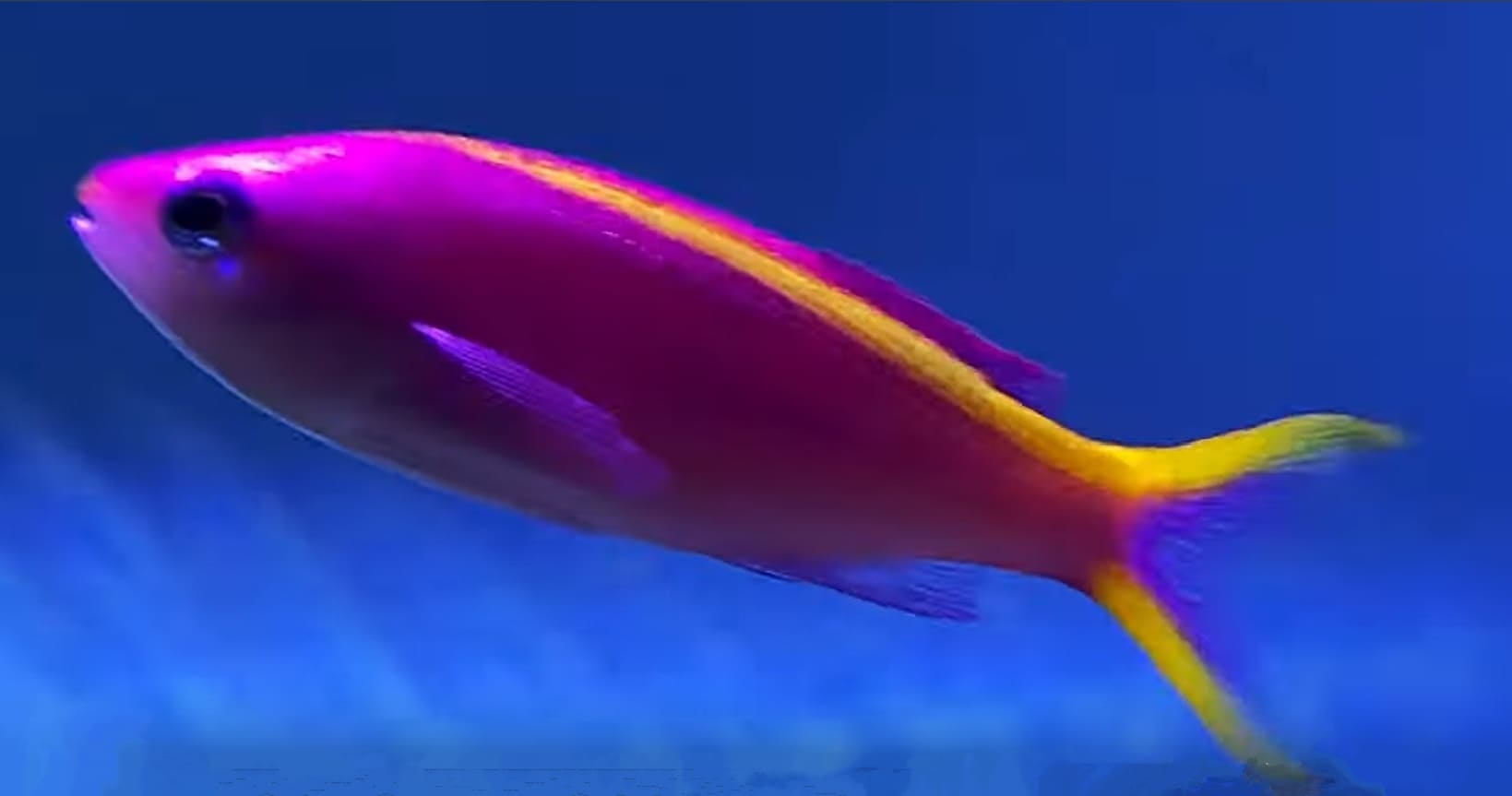
Pseudanthias tuka
Males have a pointed snout and long, dragging tail filaments. Male P. pascalus has spots on …
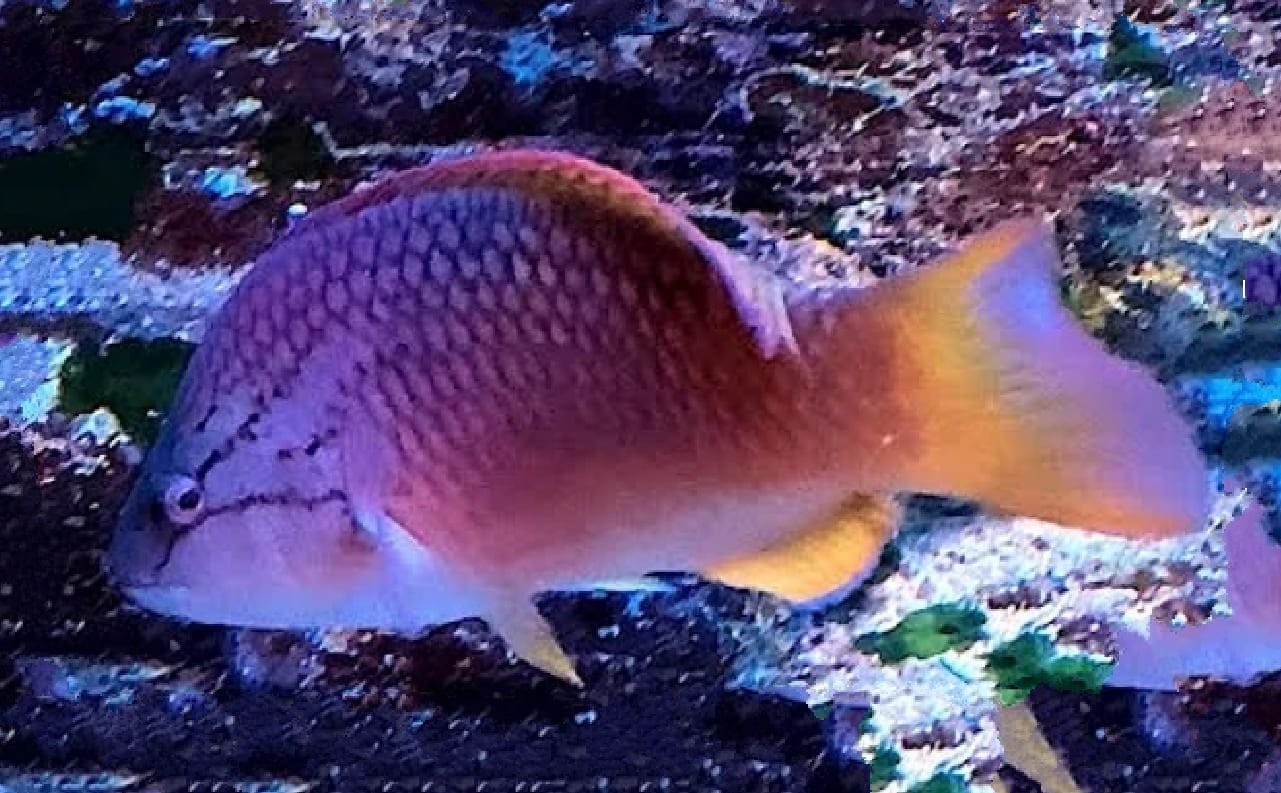
Pseudolabrus eoethinus
This species was first officially described in 1846 by the Scottish naturalist and naval surgeon John …
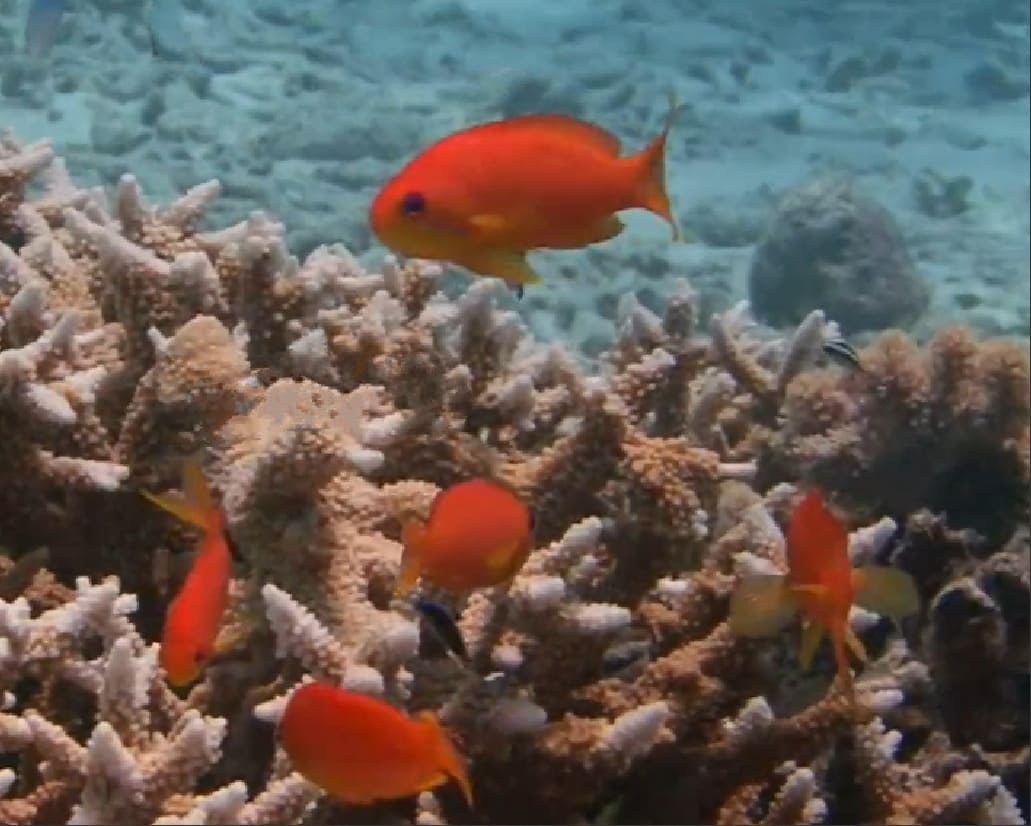
Pseudanthias squamipinnis
There is a pronounced dimorphism in this species.
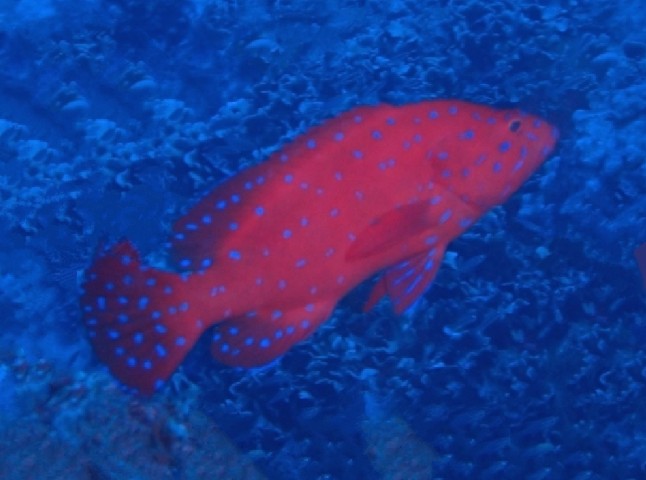
Cephalopholis oligosticta
Cephalopholis: Greek, kephale = head + Greek, pholis = scale.The vermilion hind is characterised by the …