 Allfishes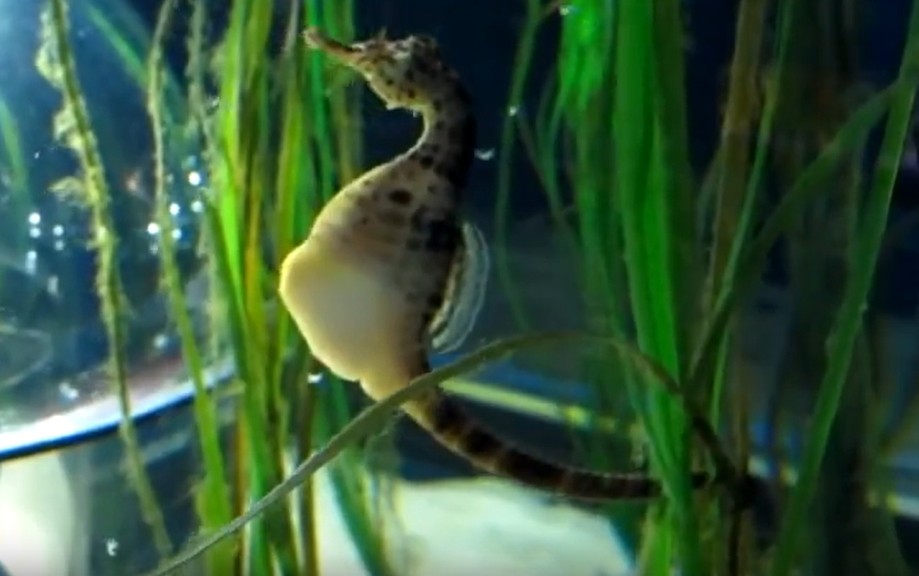
Big-belly seahorse
Hippocampus abdominalis
The big-belly seahorse has a forward-inclined head with a long snout, a swollen but narrow belly, …
Guide to marine fish with sorting and selection options by family, feeding method, size, and other important characteristics.
Showing 1–11 of 11
Hippocampus abdominalis
The big-belly seahorse has a forward-inclined head with a long snout, a swollen but narrow belly, …
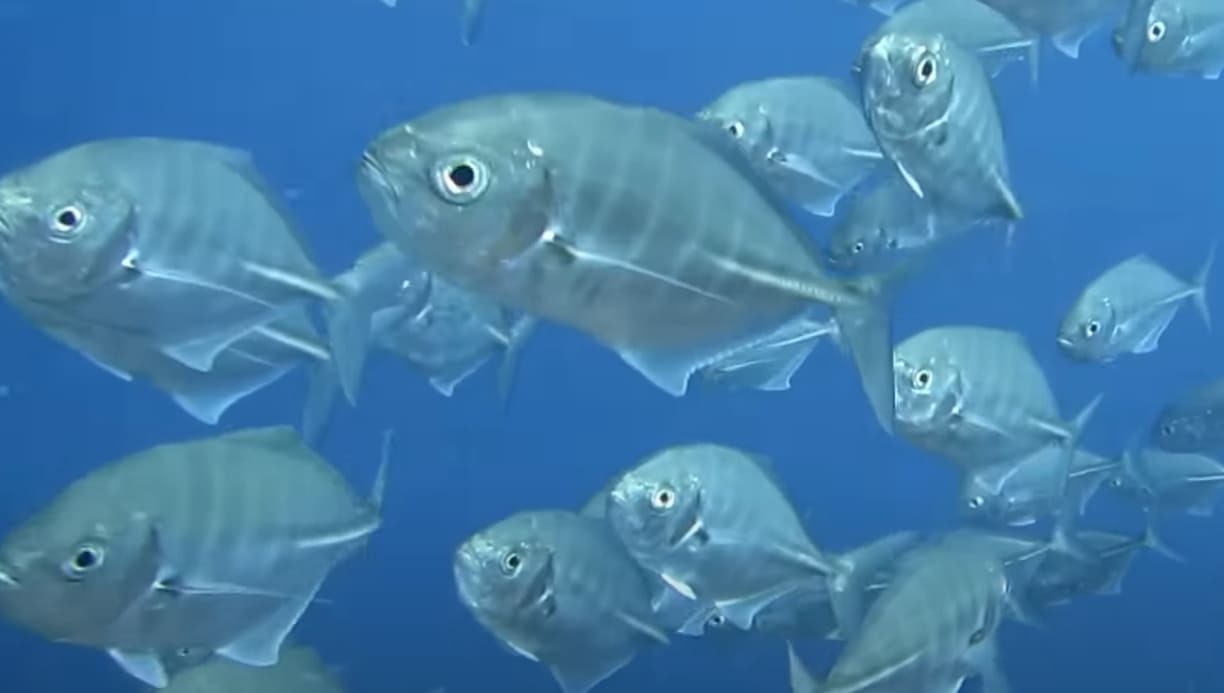
Carangoides ferdau
In general morphology, this species is similar to a number of other trevallys of the genus …
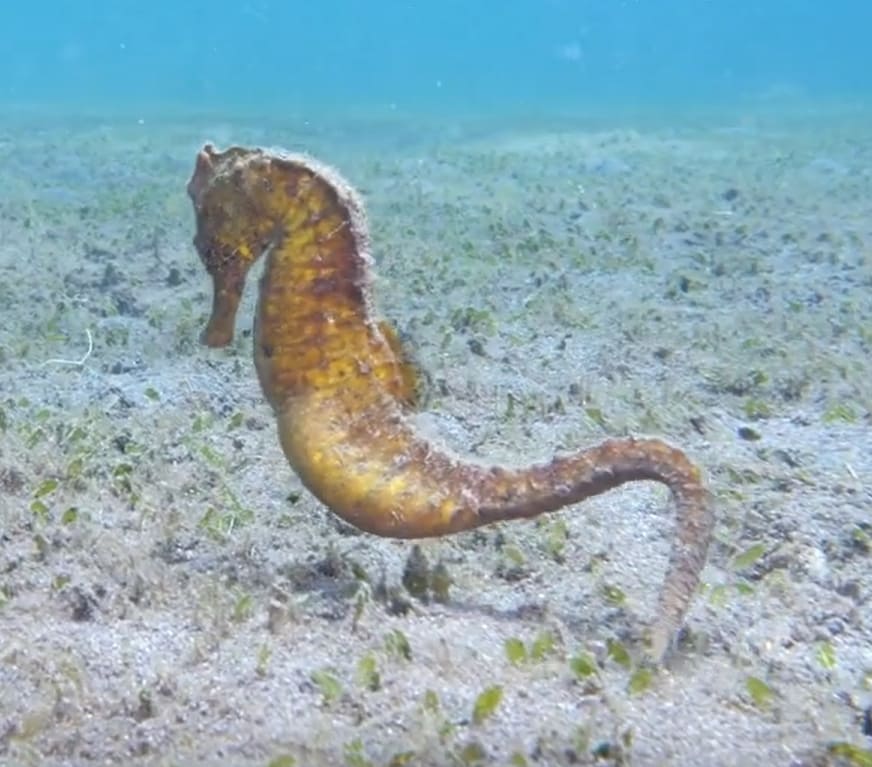
Hippocampus kuda
Body rather large, elongated, without spines, all convexities rounded. The head is relatively large in proportion …
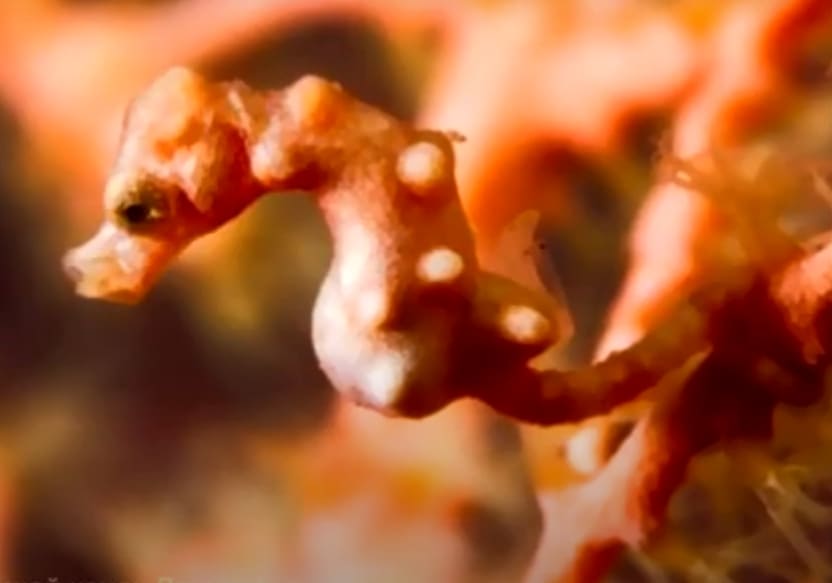
Hippocampus denise
Denise's pygmy seahorse has a short snout, a slender body and a stout tail. Its body …
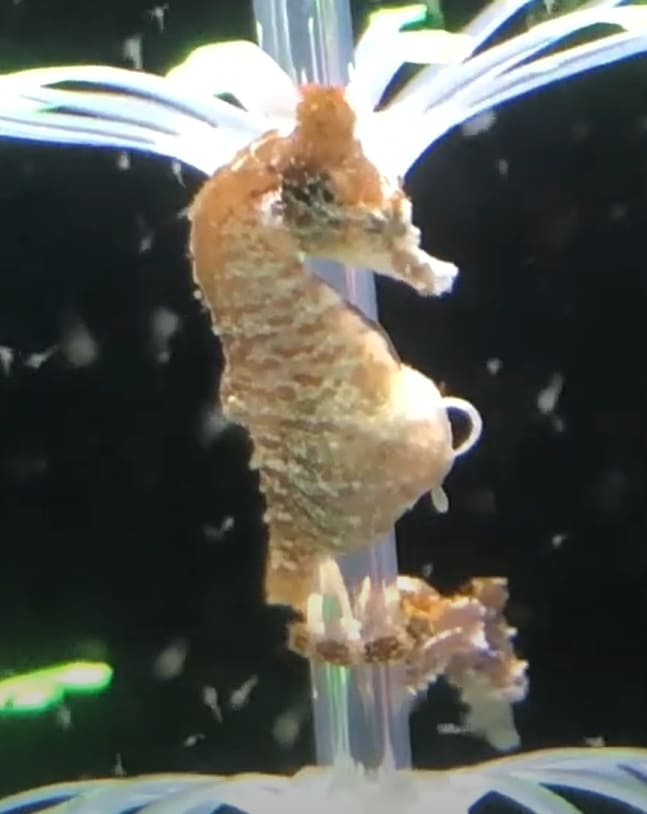
There are often small skin growths called tendrils that resemble algae. The head is at right …
Hippocampus trimaculatus
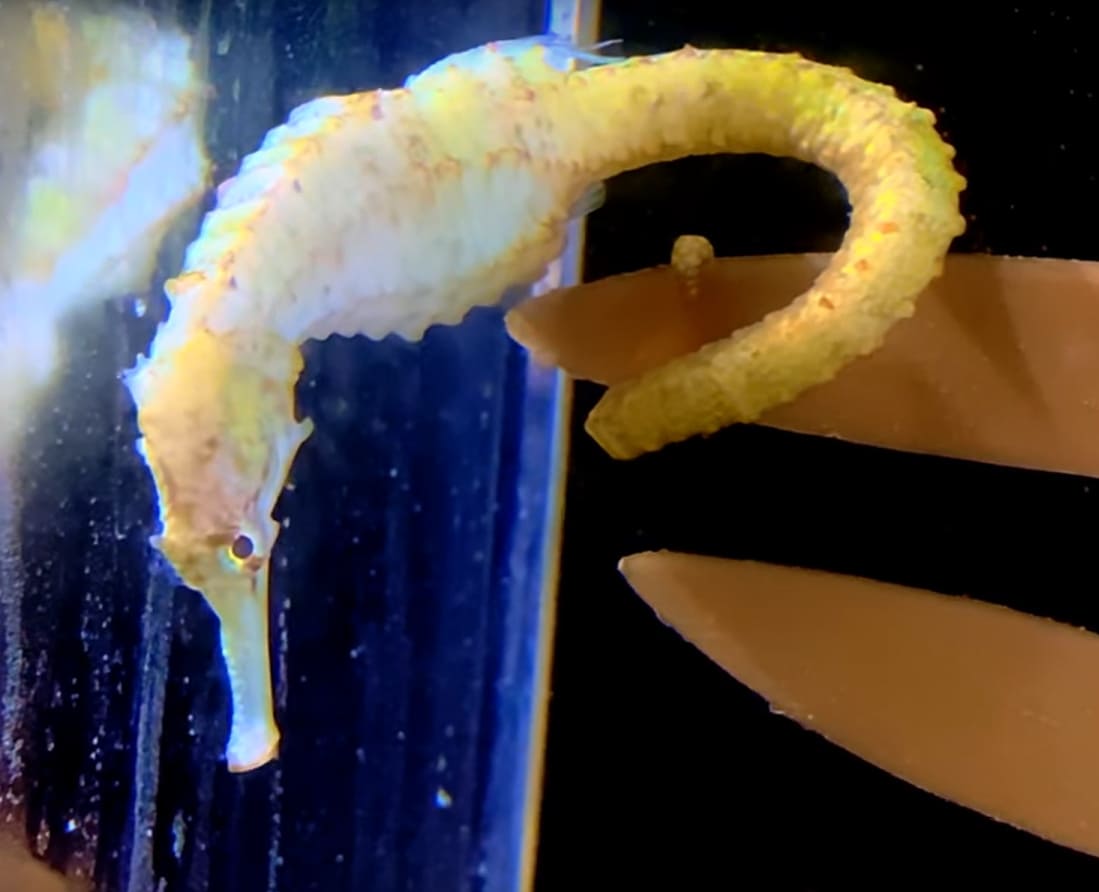
The appearance of the flat-faced seahorse can vary, but it is usually flat with sharp, hook-like …
Carangoides bajad
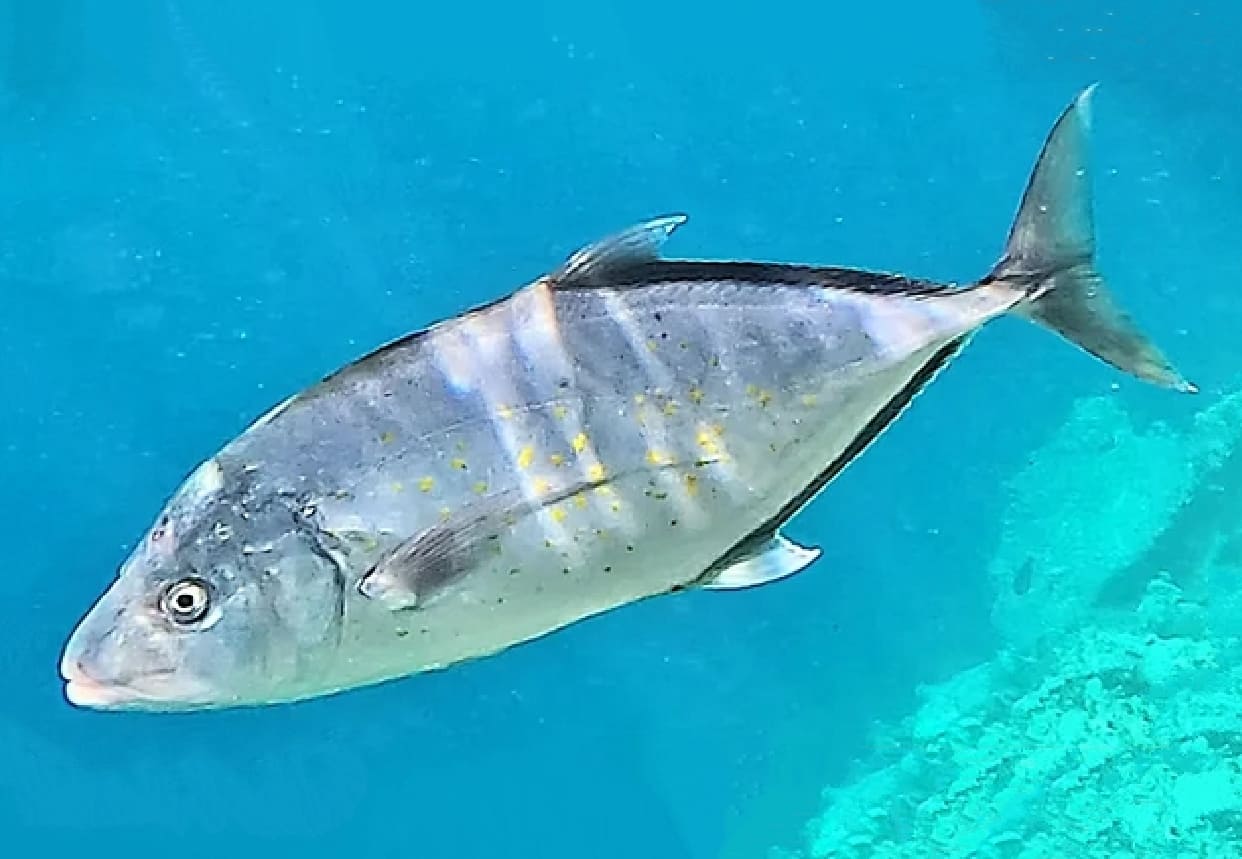
The body of the orange-spotted trevally is tall and strongly compressed at the sides. The upper …
Hippocampus pontohi
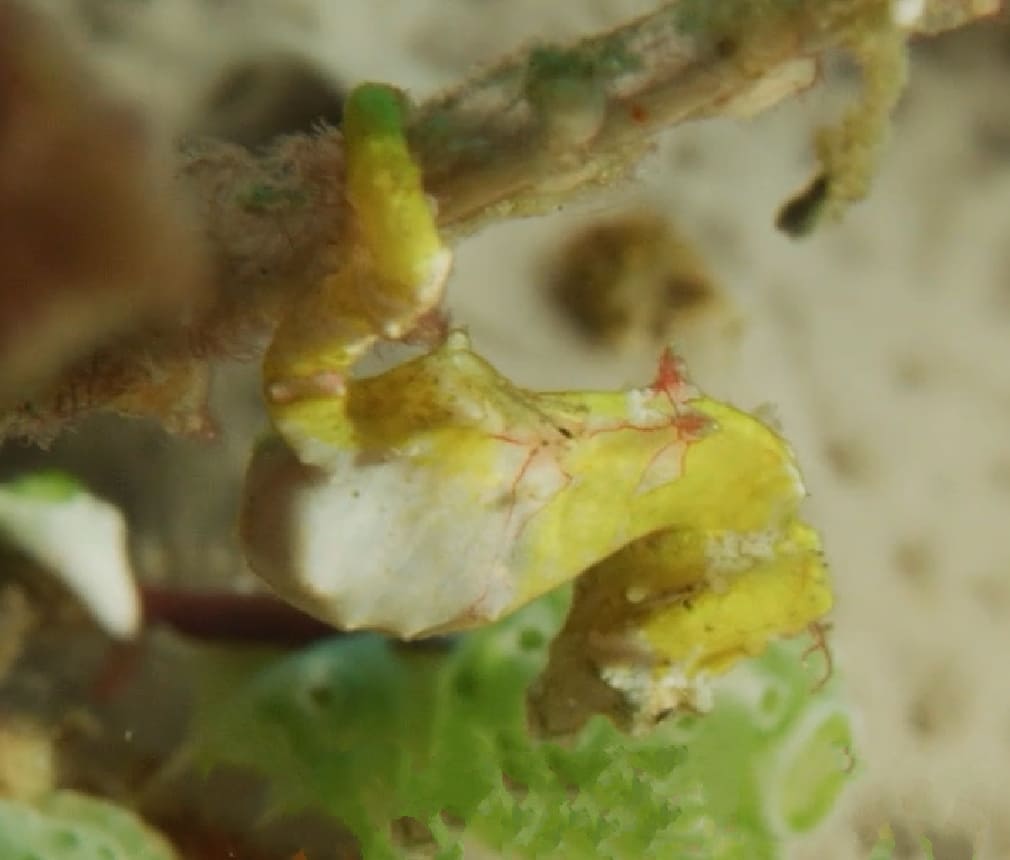
The fish has a small and slender body with a tenacious tail. The head is relatively …
Hippocampus histrix
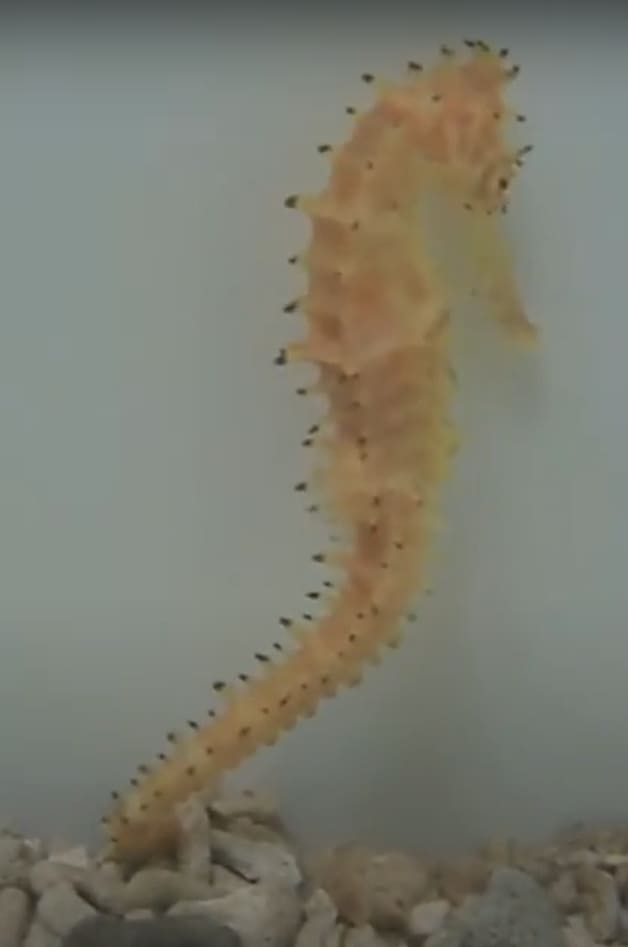
It has a slender, elongated, and fully spined body. They are sharp, with dark tips, and …
Hippocampus angustus
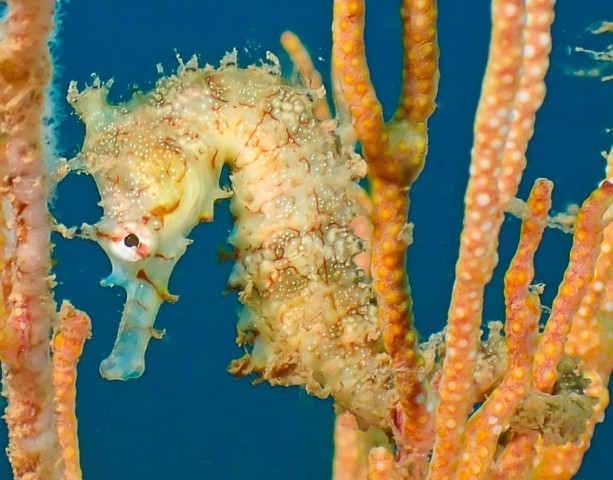
The western spiny seahorse can be recognised by its slender body, long snout, well-developed spines and …
Carangoides fulvoguttatus
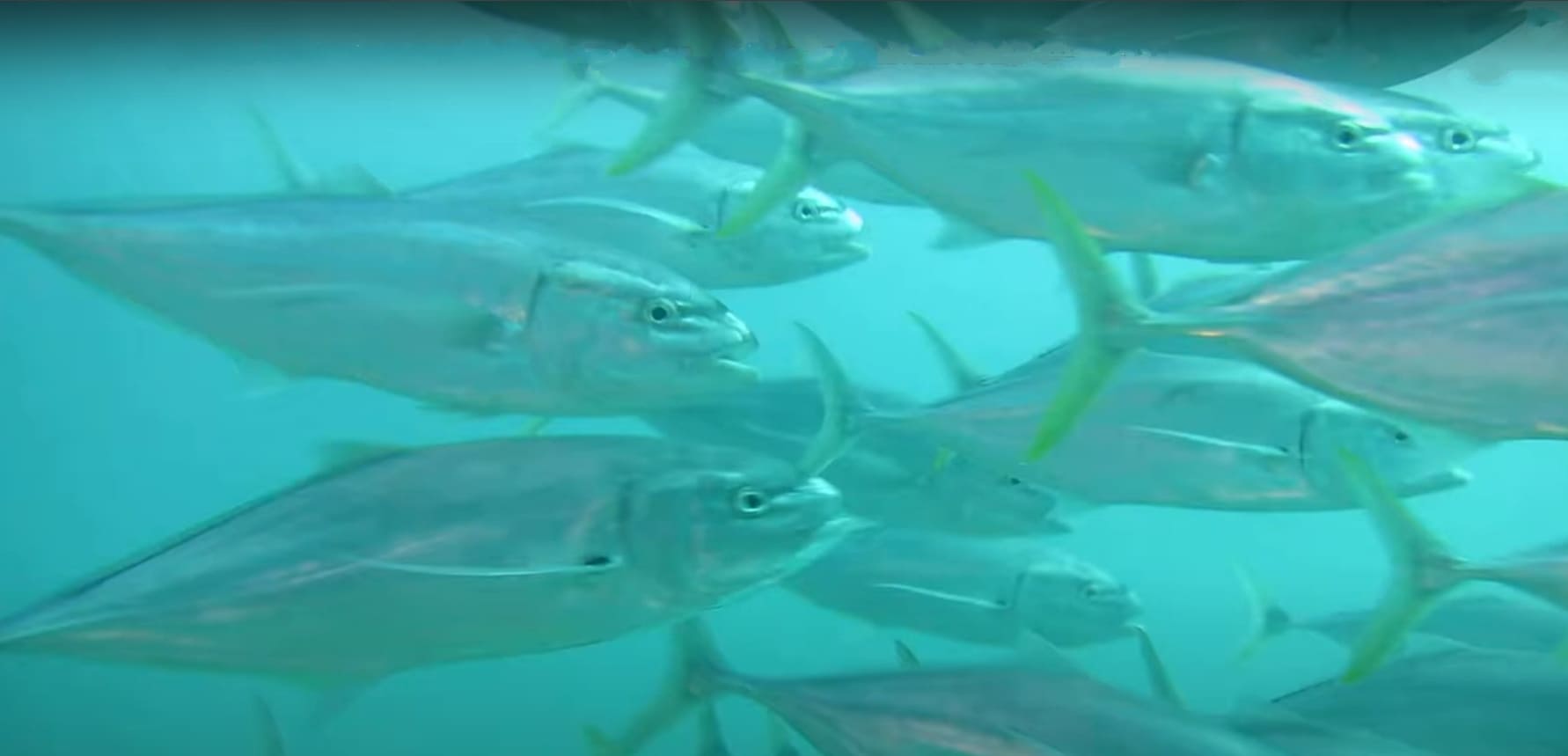
The body shape resembles the jacks of the genus Caranx, being more elongated and subcylindrical than …