 Allfishes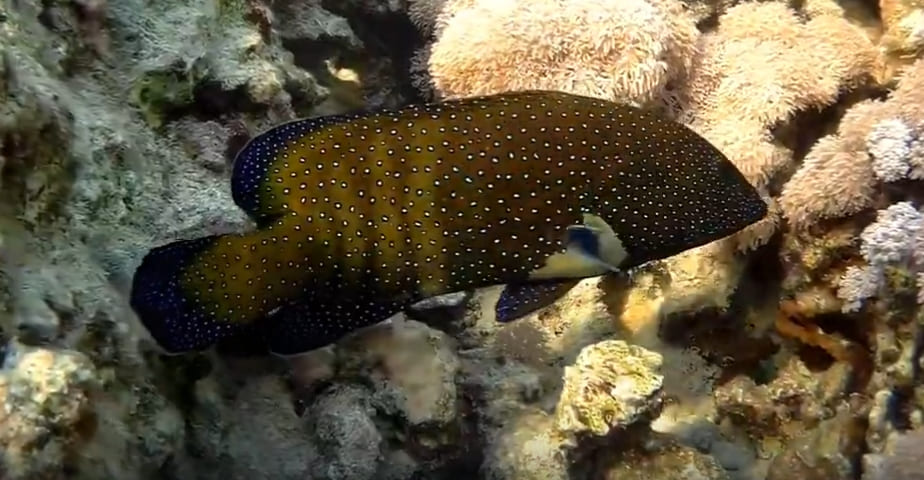
Bluespotted grouper
Cephalopholis argus
The body of the bluespotted grouper is elongated, massive, somewhat compressed at the sides, cylindrical in …
Guide to marine fish with sorting and selection options by family, feeding method, size, and other important characteristics.
Showing 1–12 of 12
Cephalopholis argus
The body of the bluespotted grouper is elongated, massive, somewhat compressed at the sides, cylindrical in …
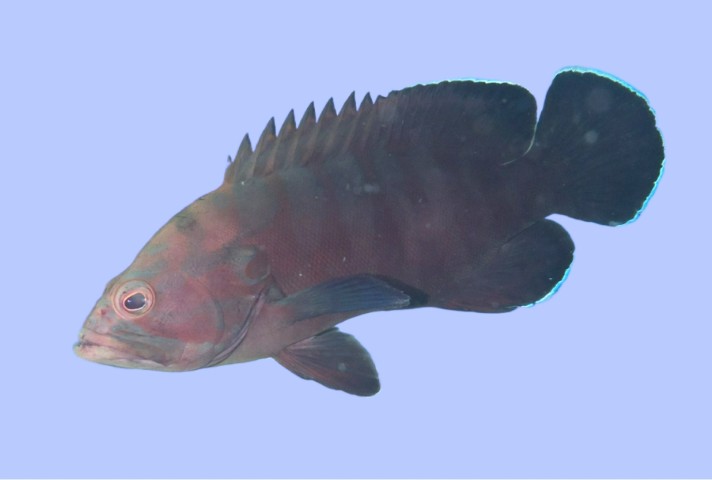
Cephalopholis boenak
Body of chocolate hind elongate, massive, somewhat compressed at the sides; sides covered with ctenoid scales. …
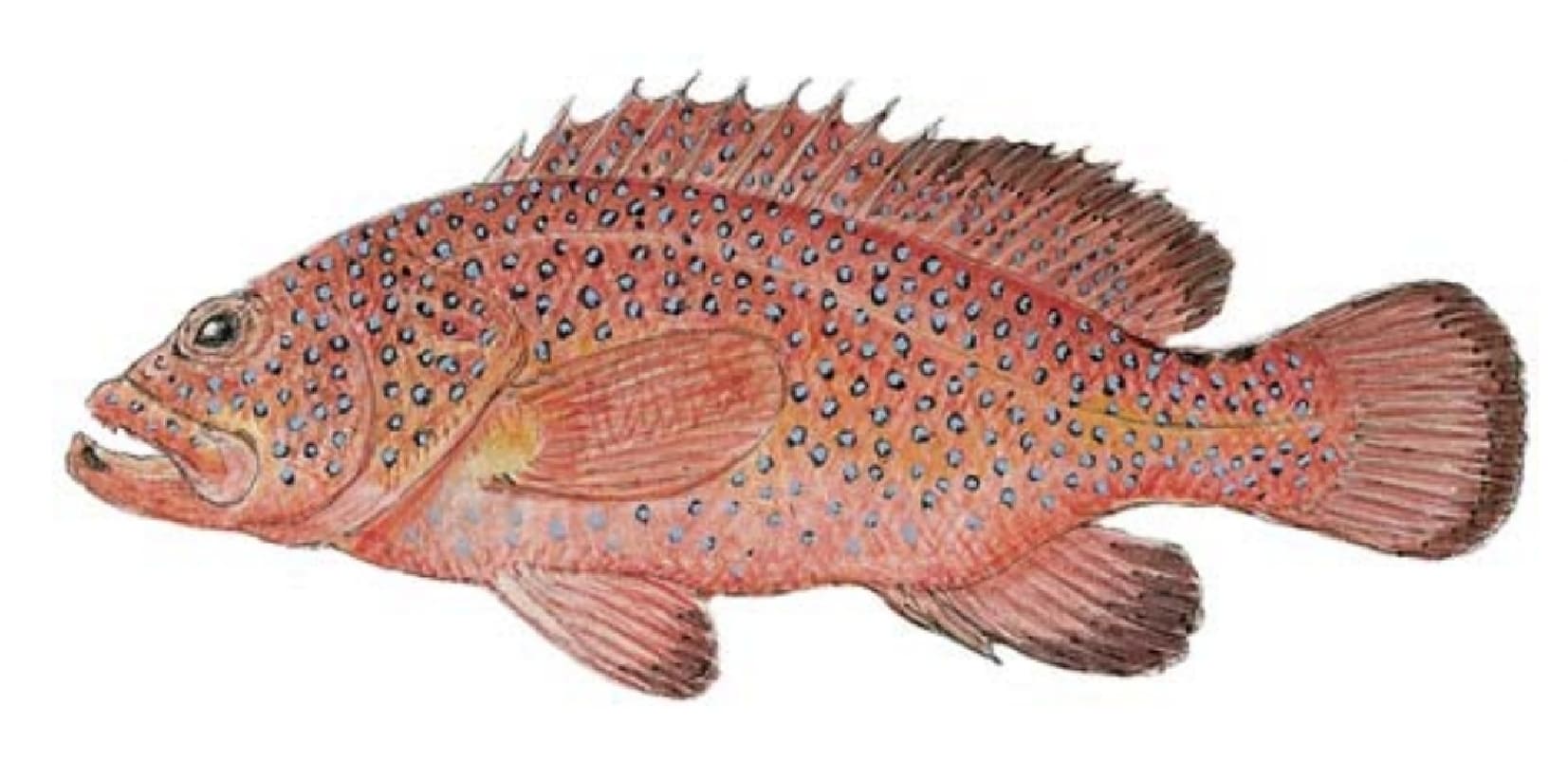
Cephalopholis fulva
The Coney has many color phases, you should not try to identify this fish by color. …
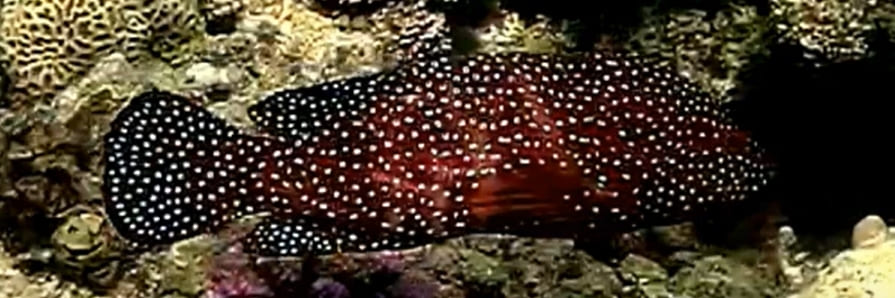
Cephalopholis miniata
Body elongate, massive, slightly compressed at the sides, covered on the sides with ctenoid scales. Body …
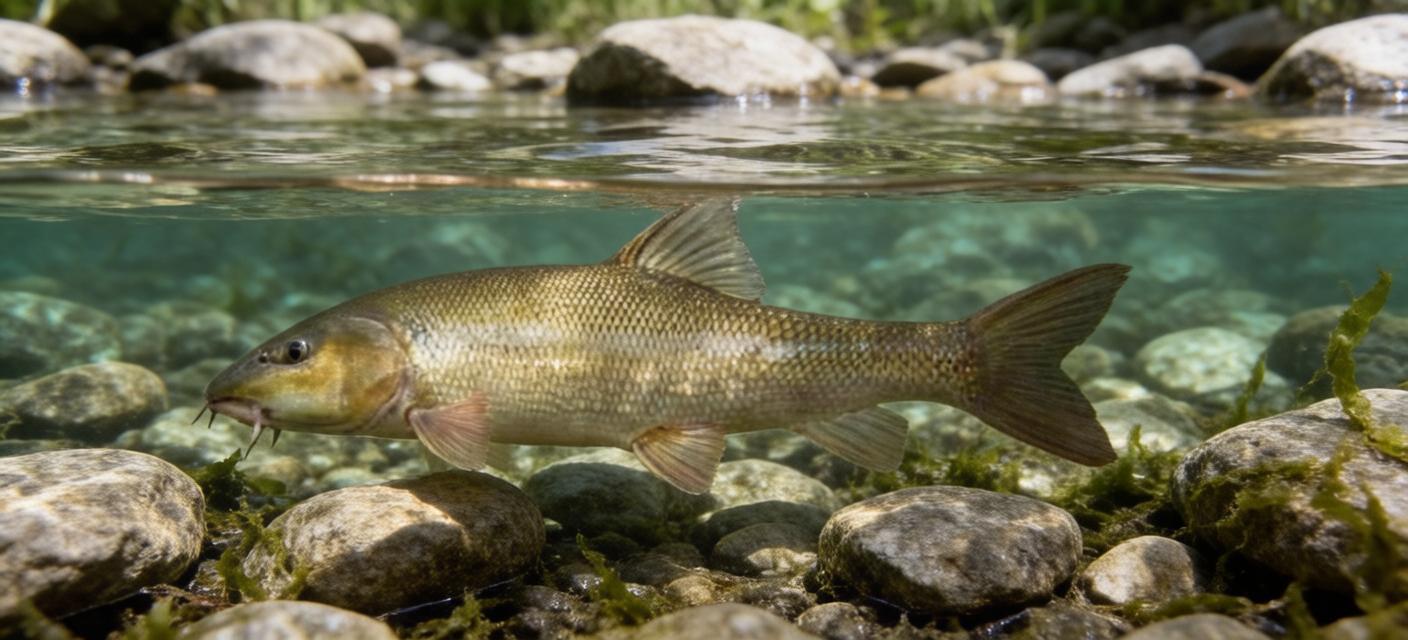
Barbus borysthenicus
The Dnieper barbel has a torpedo-shaped (fusiform) body that is somewhat thicker compared to the common …
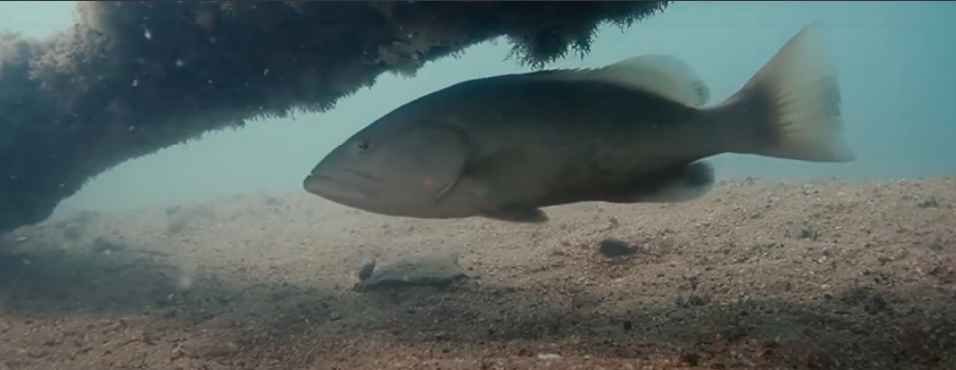
Mycteroperca microlepis
Pale to dark gray or sometimes olive gray, the larger gag is darker than the smaller …
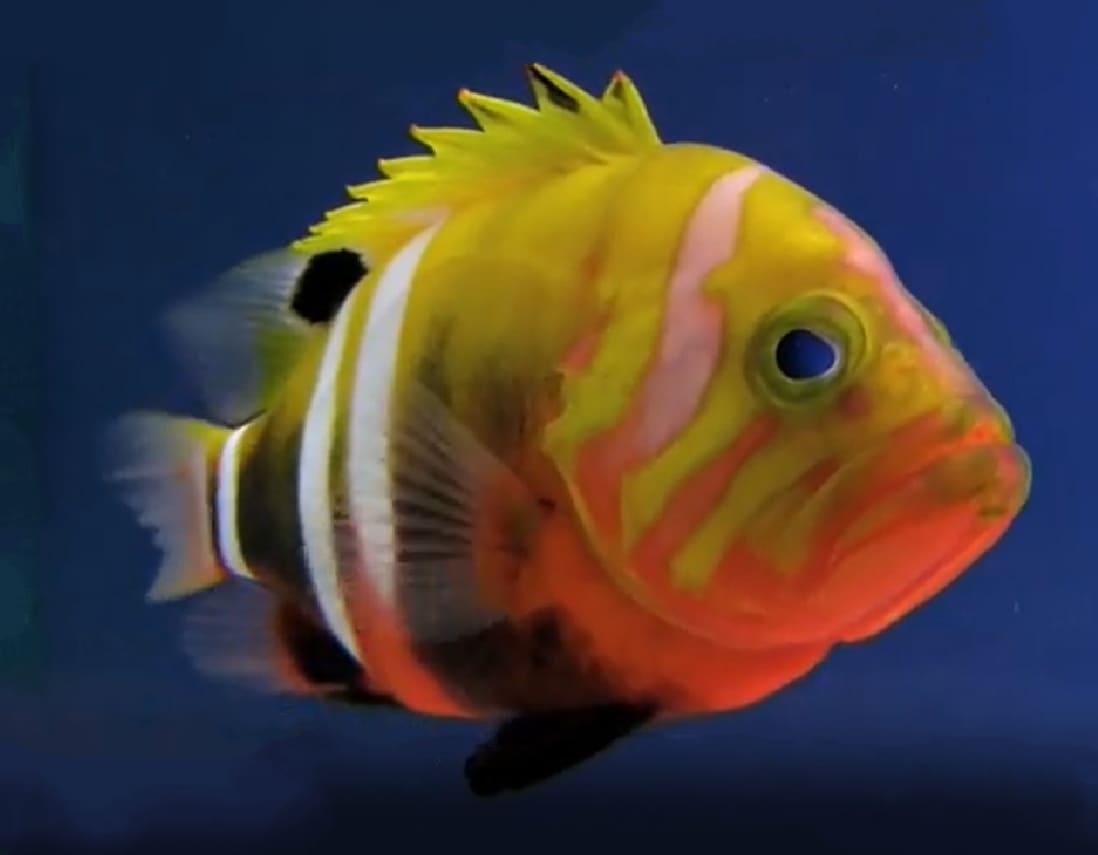
Cephalopholis igarashiensis
The garish hind has an elongated, massive body, somewhat compressed at the sides and covered on …
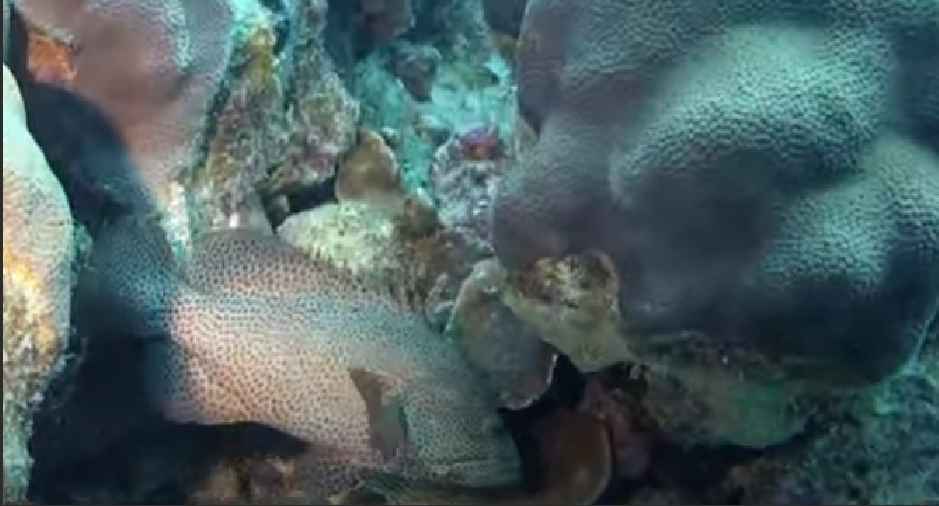
Cephalopholis cruentata
Graysby's colors range from pale gray to dark brown, with many dark oranges, red-brown spots on …
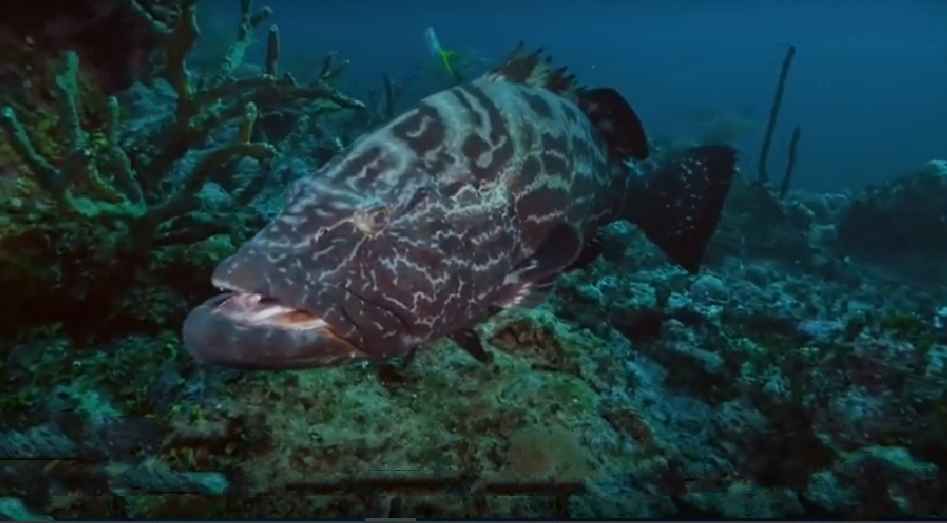
Mycteroperca bonaci
Depending on its habitat, the black grouper may be olive, gray, or reddish-brown or black in …
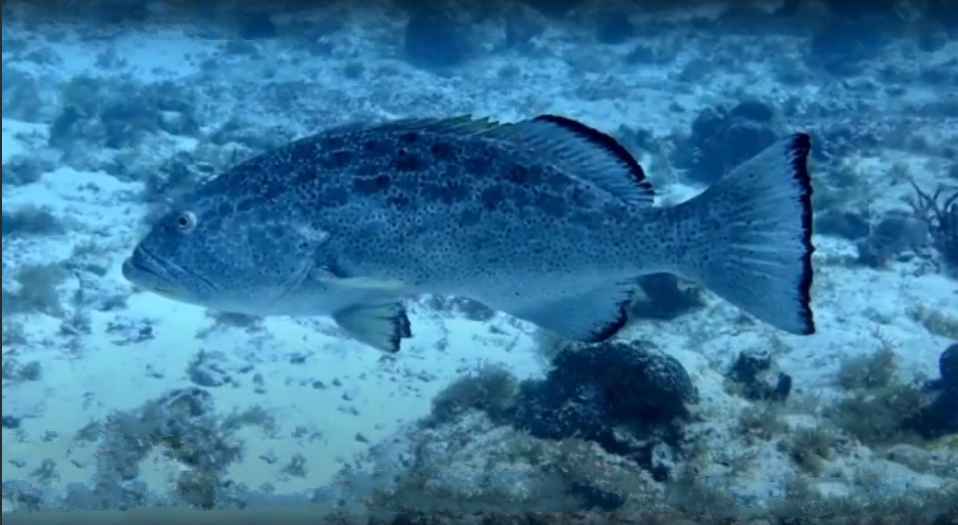
Mycteroperca venenosa
The body is relatively tall and oval. The coloration of the yellowfin grouper is very variable: …
Cephalopholis argus
The body of the peacock hind is elongated, massive, somewhat compressed at the sides, cylindrical in …
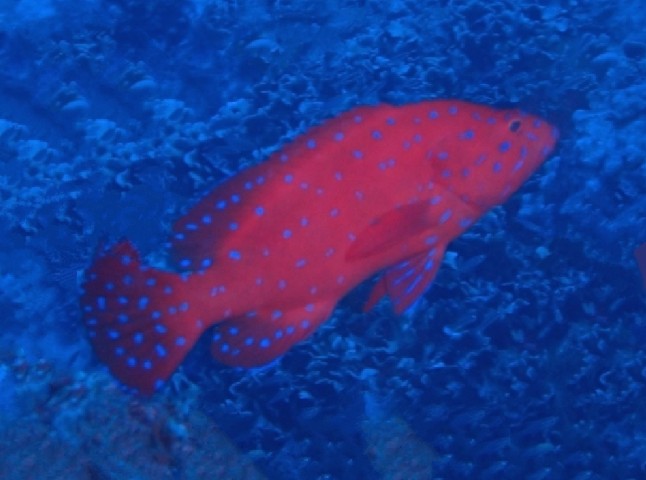
Cephalopholis oligosticta
Cephalopholis: Greek, kephale = head + Greek, pholis = scale.The vermilion hind is characterised by the …