 Allfishes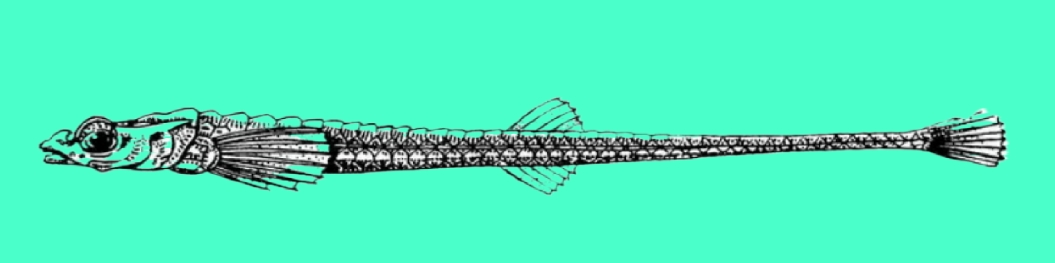
Alligatorfish
Aspidophoroides monopterygius
The body of the alligatorfish is covered with large bony plates forming longitudinal rows, these plates …
Guide to marine fish with sorting and selection options by family, feeding method, size, and other important characteristics.
Showing 1–14 of 14
Aspidophoroides monopterygius
The body of the alligatorfish is covered with large bony plates forming longitudinal rows, these plates …
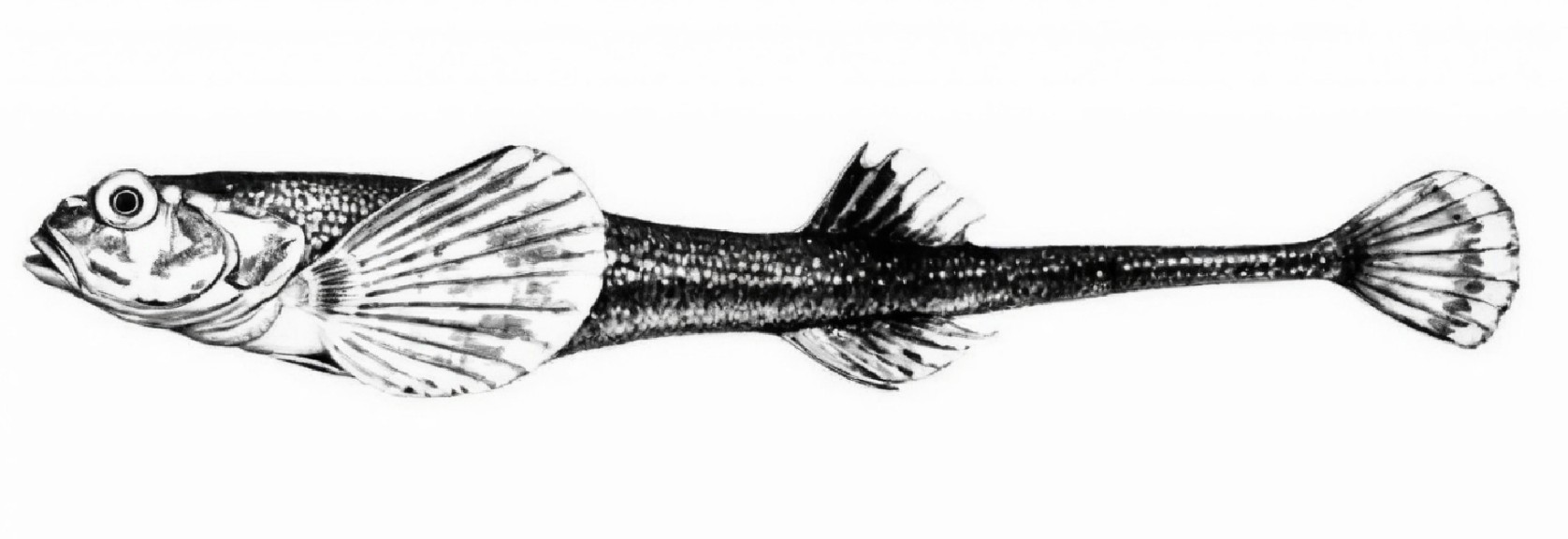
Aspidophoroides olrikii
The head of the Arctic alligatorfish is large and broad. There are short antennae on the …
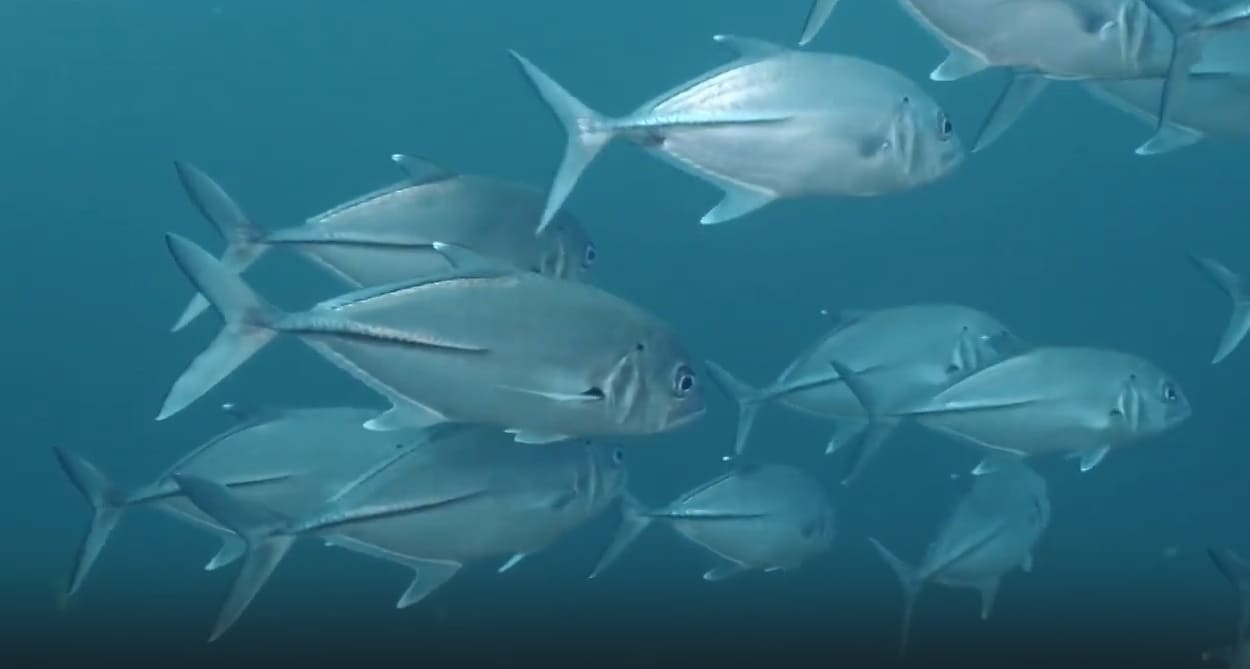
Caranx sexfasciatus
They have an elongated, slightly compressed body covered with small cycloid scales. The thorax is completely …
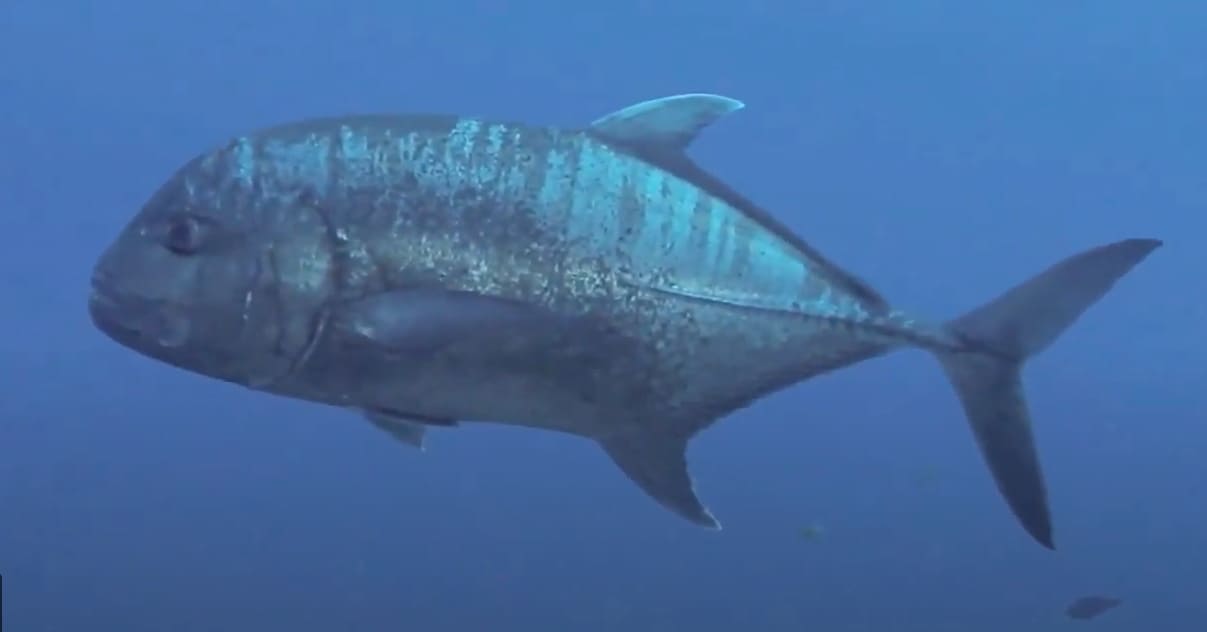
Caranx lugubris
They have a body shape similar to other Caranx species - elongated, compressed, with the dorsal …
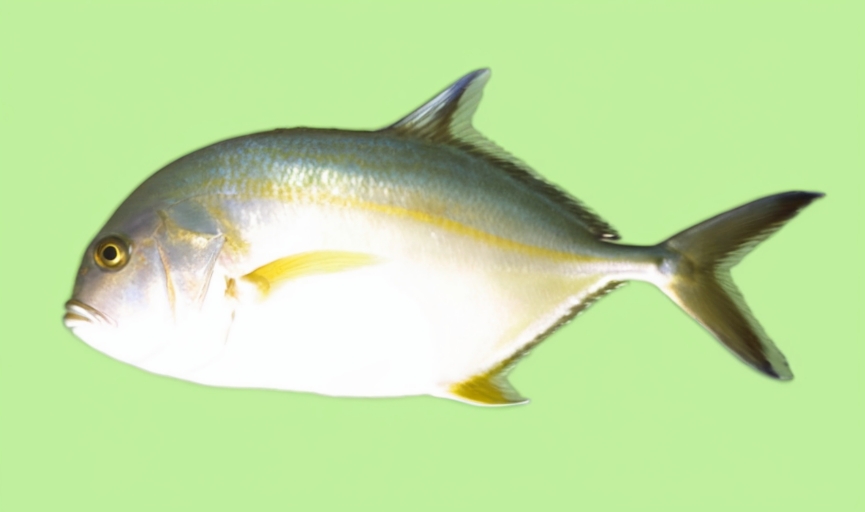
Caranx heberi
Blacktip trevally has a compressed elongated body with the dorsal profile much more convex than the …
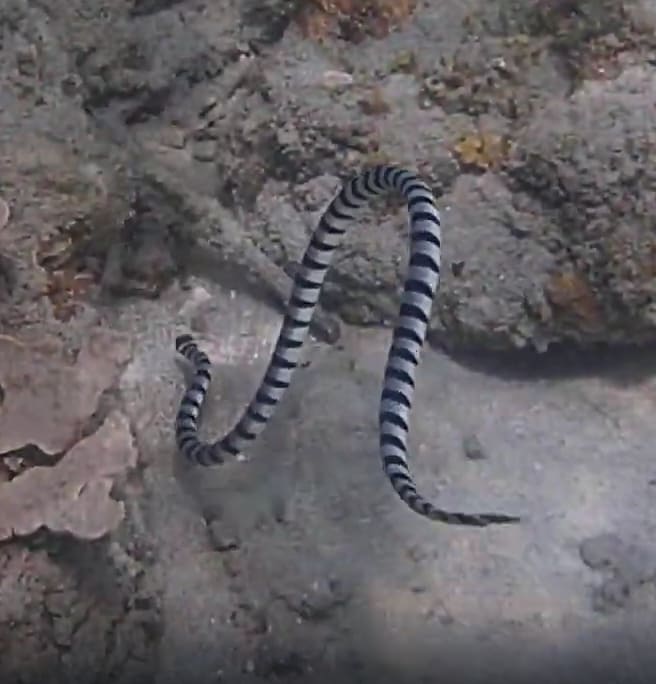
Laticauda laticaudata
Abdominal scales large, ranging from one-third to more than one-half of body width; nostrils on sides; …
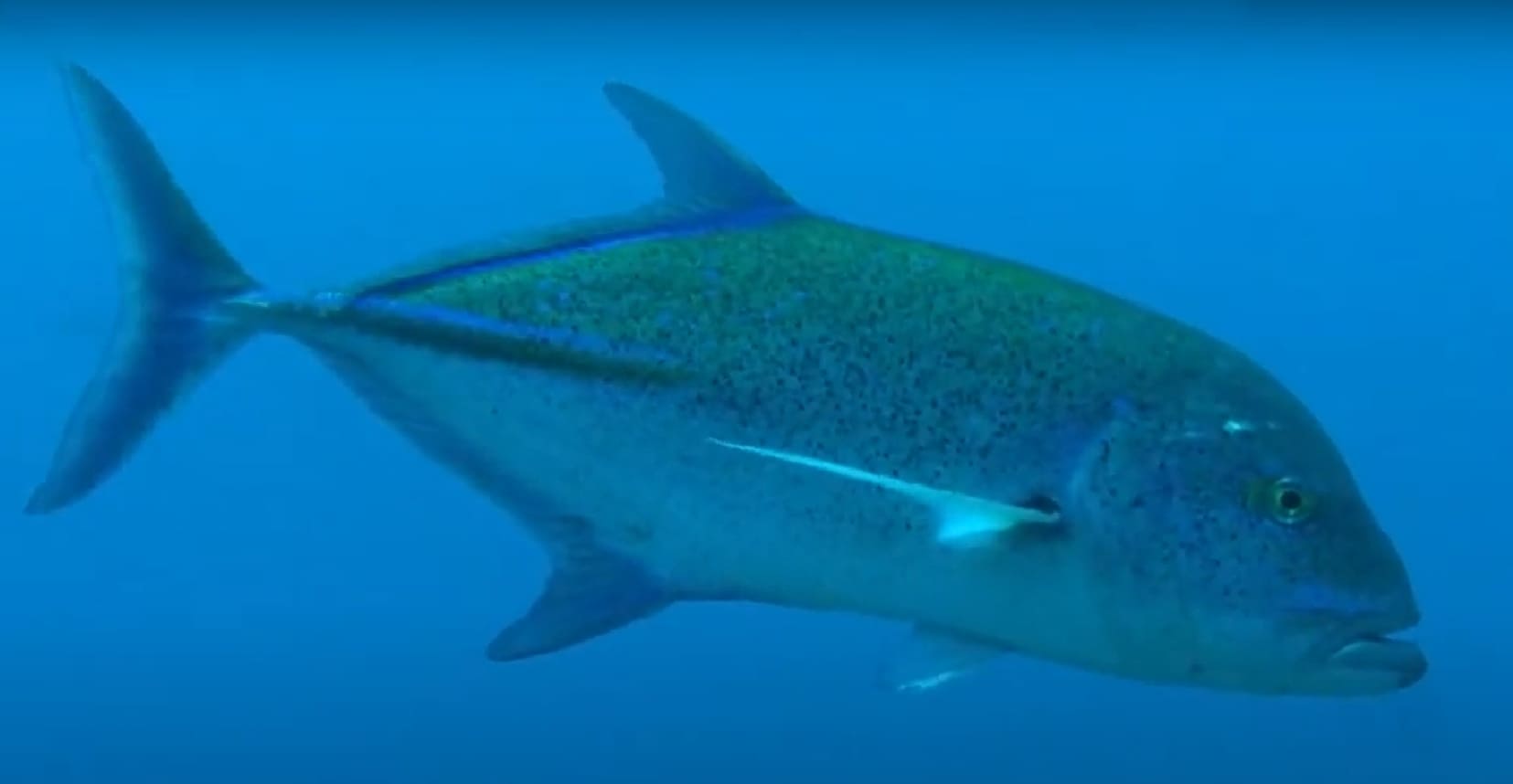
Caranx melampygus
Body elongated, slightly compressed at the sides, covered with small cycloid scales. The thorax is completely …
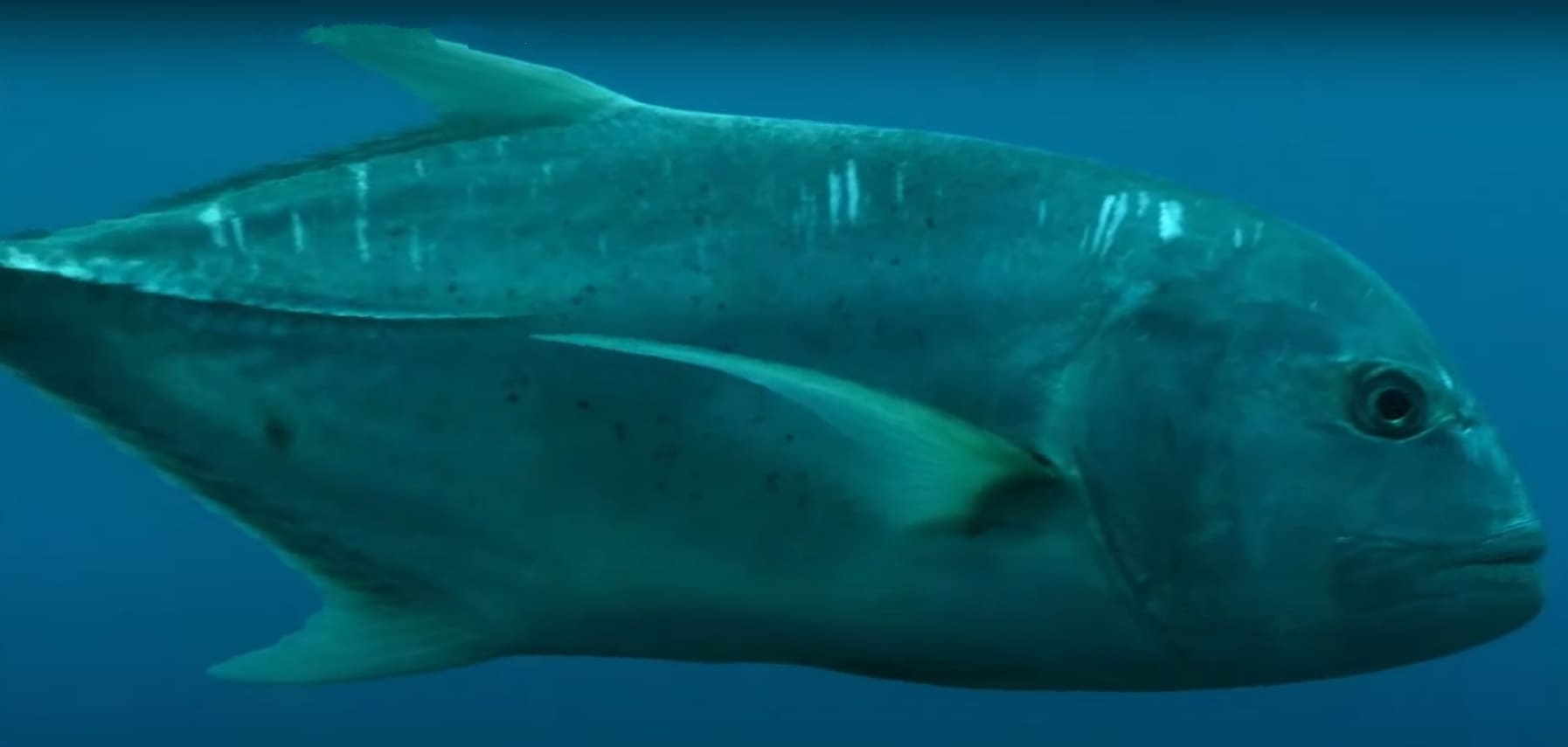
Caranx ignobilis
Body elongate, slightly compressed at the sides, covered with small cycloid scales. Thorax without scales. Upper …
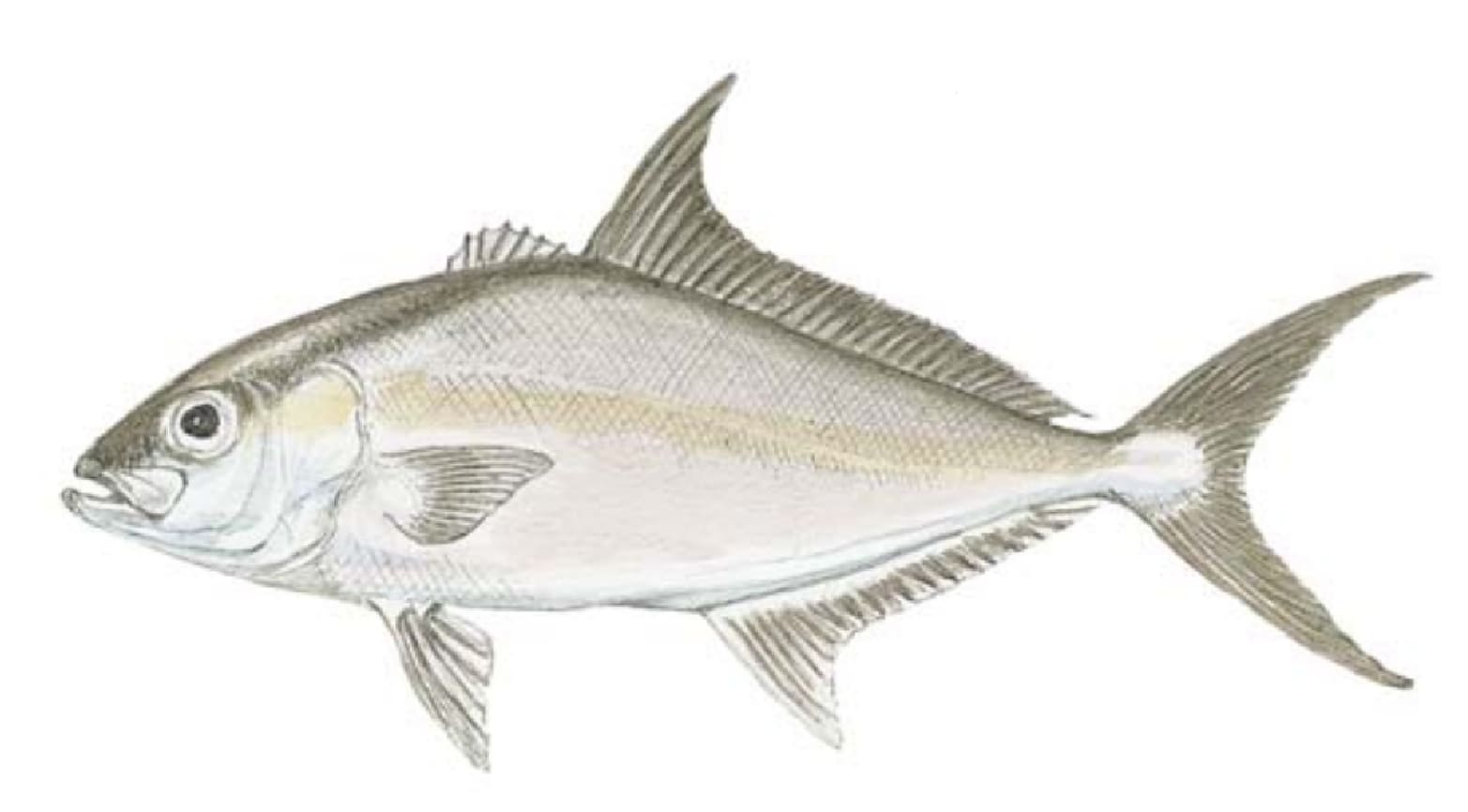
Seriola rivoliana
The body and fins may be a uniform dark brown, dark bluish-green, bronze, or metallic gray, …
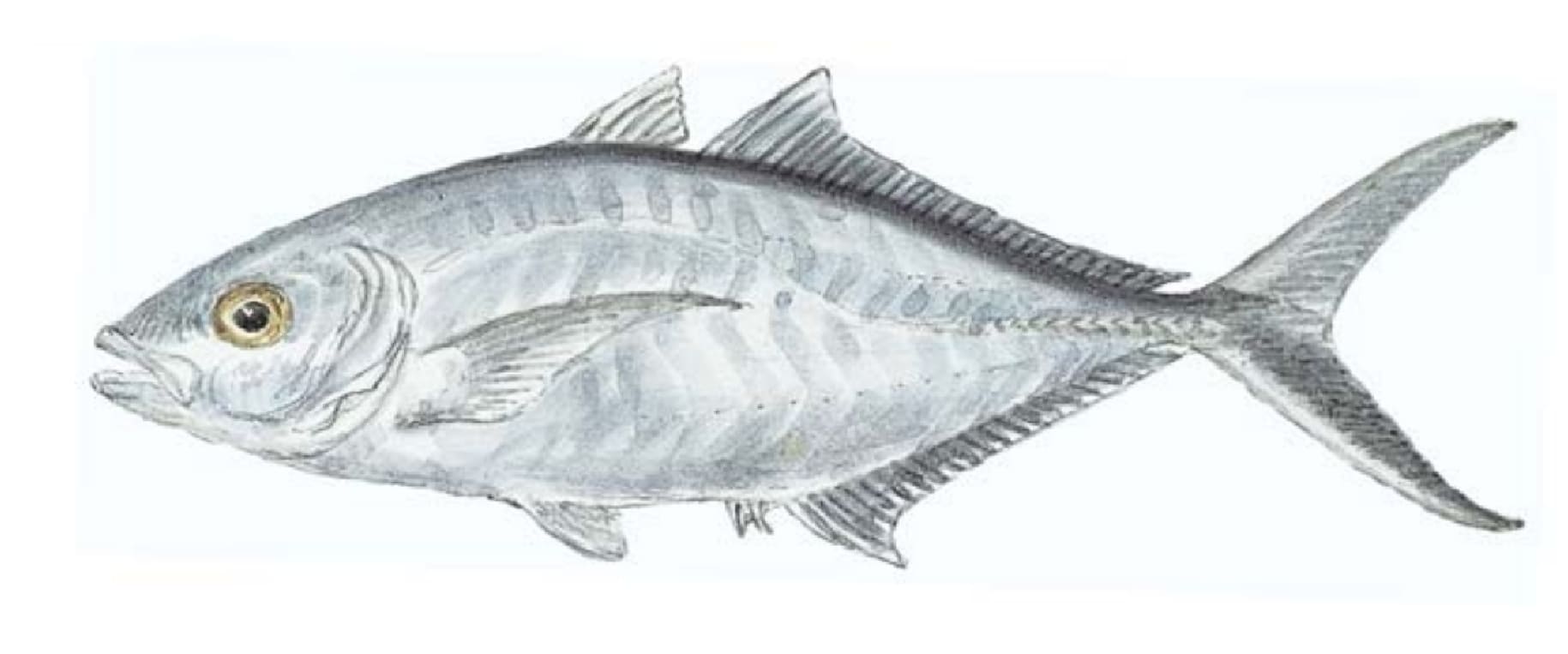
Caranx ruber
The Bar jack is silvery, with a dark bluish stripe on the back that runs from …
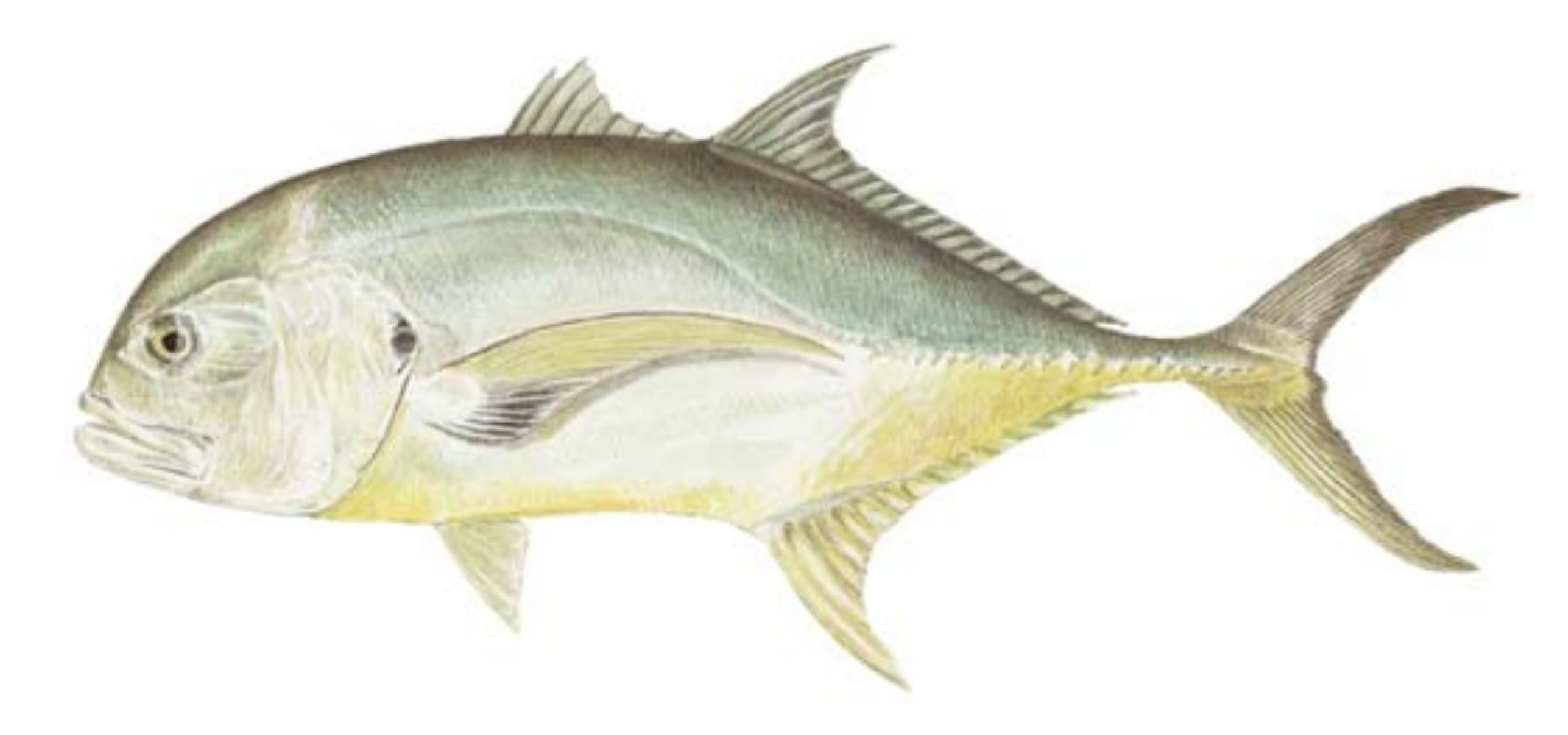
Caranx hippos; Caranx caninus
Both species are bluish-green or greenish gold on the back and silvery or yellowish on the …
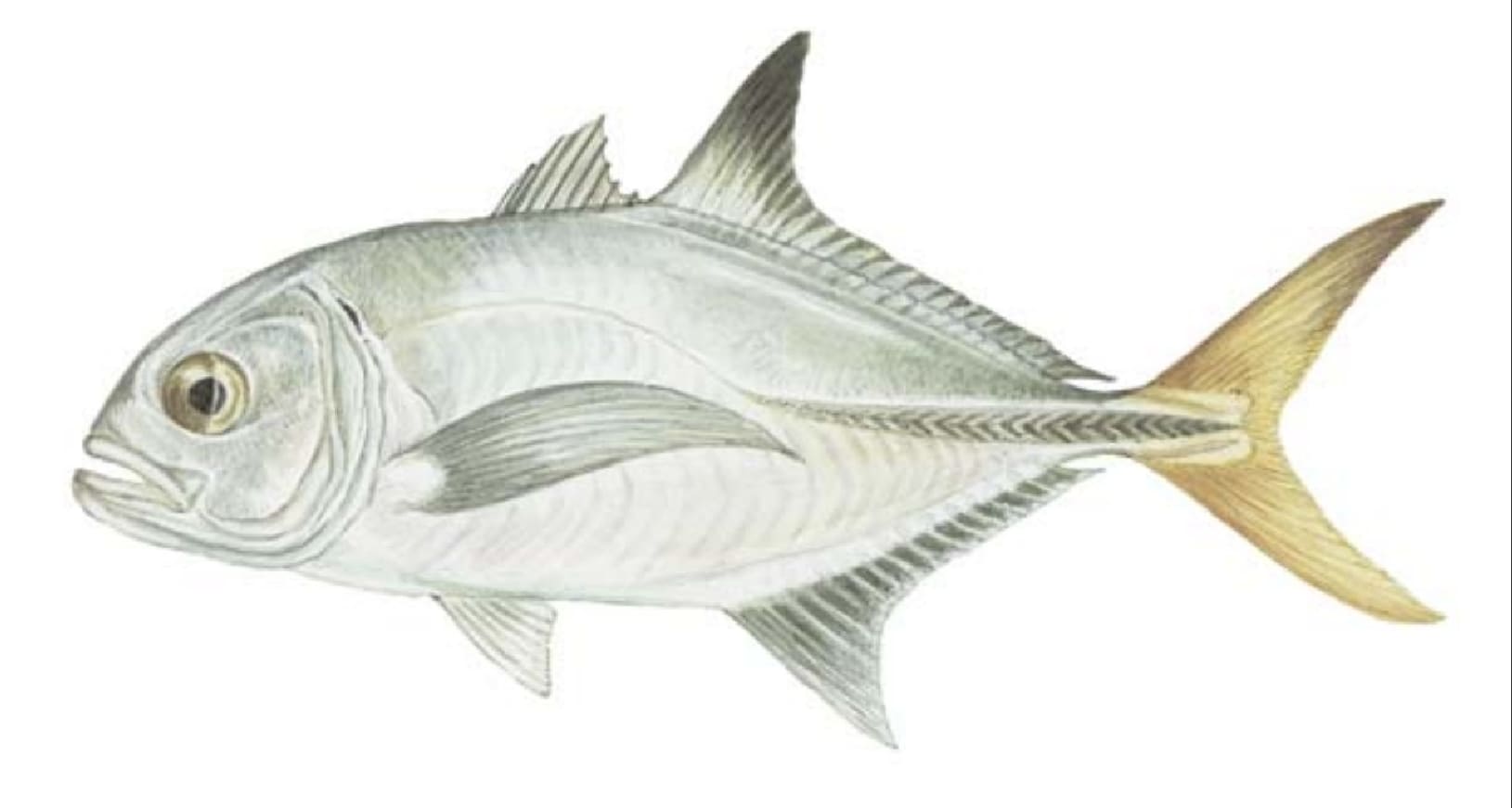
Caranx latus
The horse-eye is silvery, with yellow caudal fins and usually darker edges on the dorsal and …
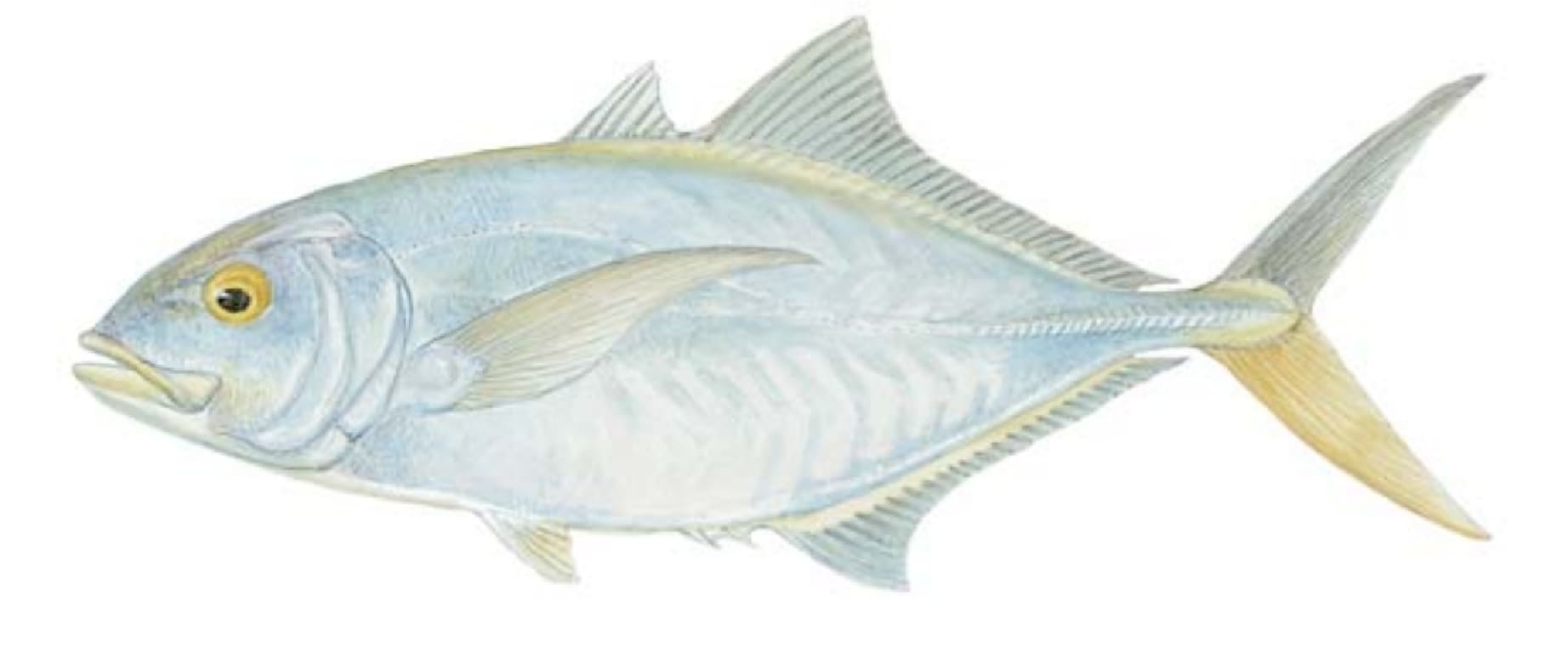
Caranx bartholomaei
Silver with a yellow cast, the yellow jack has a bluish back and strongly yellowed flanks, …
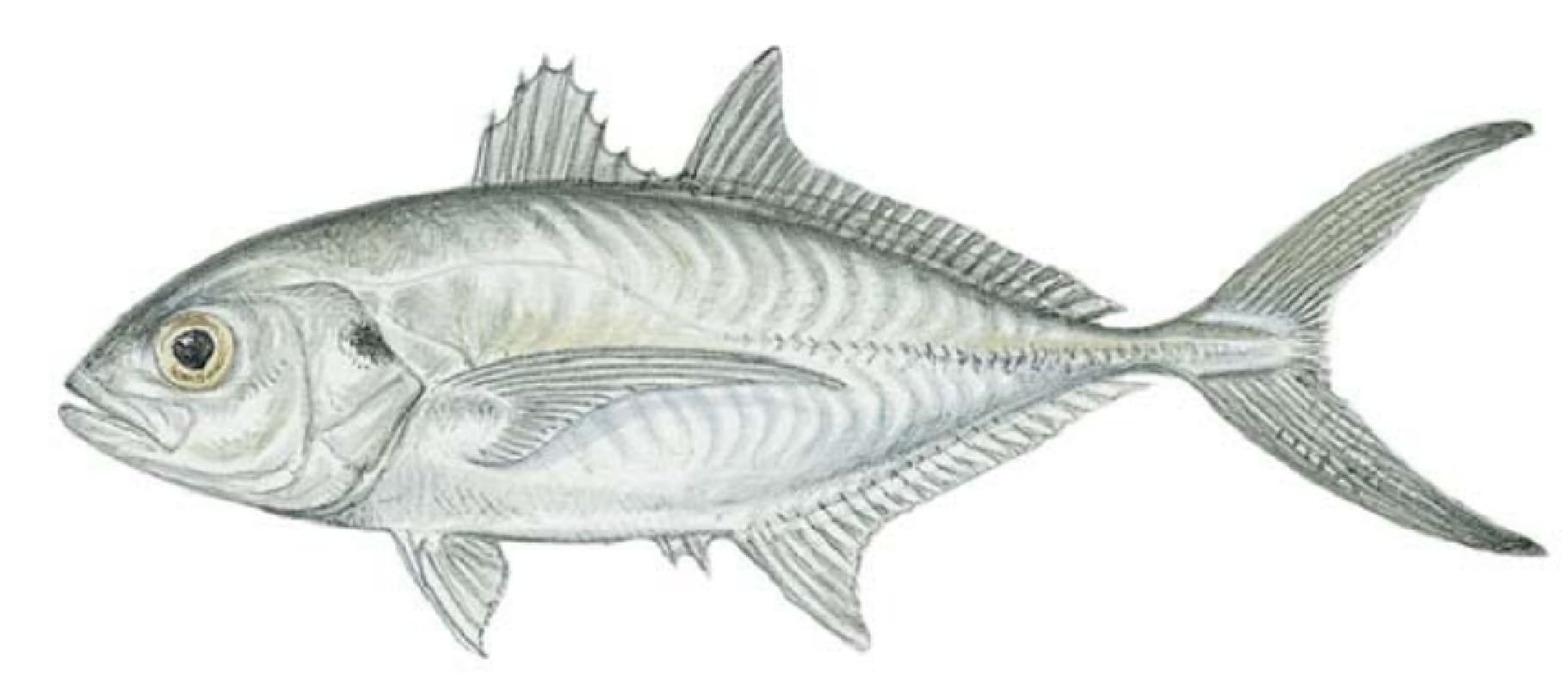
Caranx crysos
The body is bluish-green to coppery-silver, silvery, or light olive. The upper end of the gill …