 Allfishes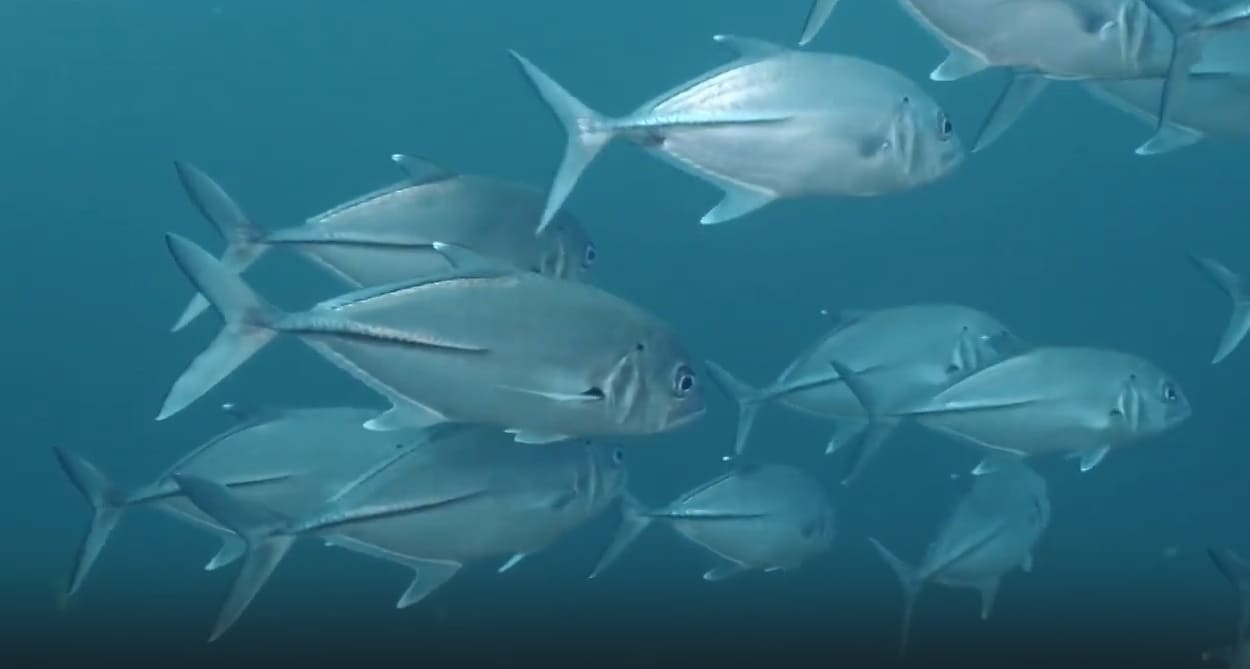
Bigeye trevally
Caranx sexfasciatus
They have an elongated, slightly compressed body covered with small cycloid scales. The thorax is completely …
Guide to marine fish with sorting and selection options by family, feeding method, size, and other important characteristics.
Showing 1–18 of 18
Caranx sexfasciatus
They have an elongated, slightly compressed body covered with small cycloid scales. The thorax is completely …
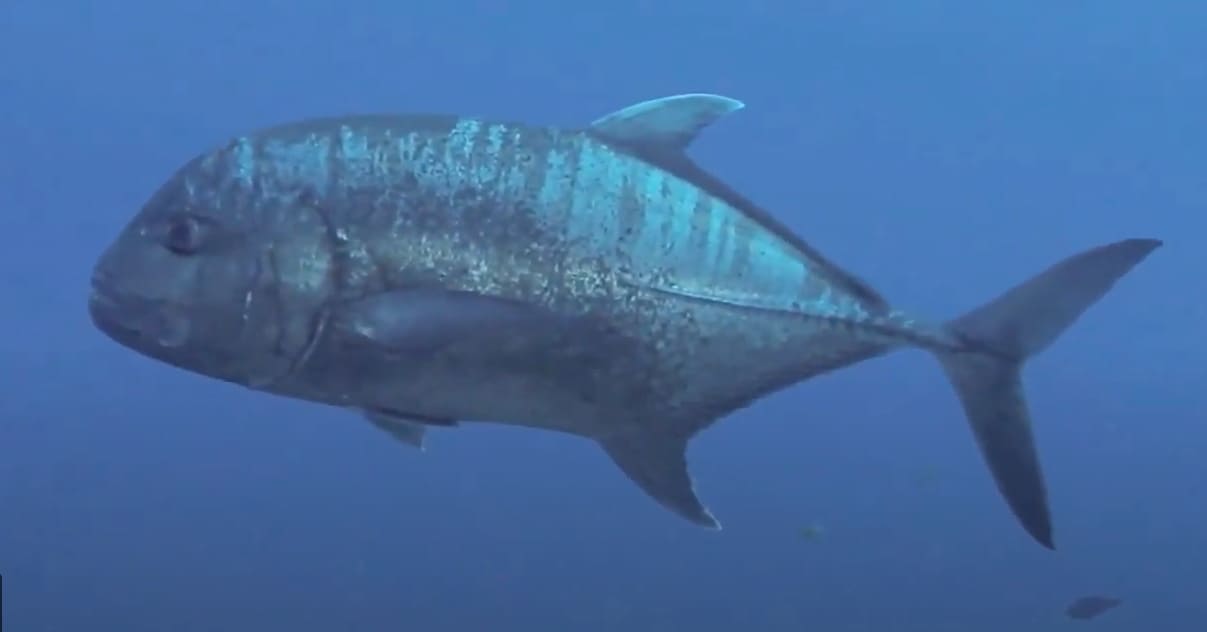
Caranx lugubris
They have a body shape similar to other Caranx species - elongated, compressed, with the dorsal …
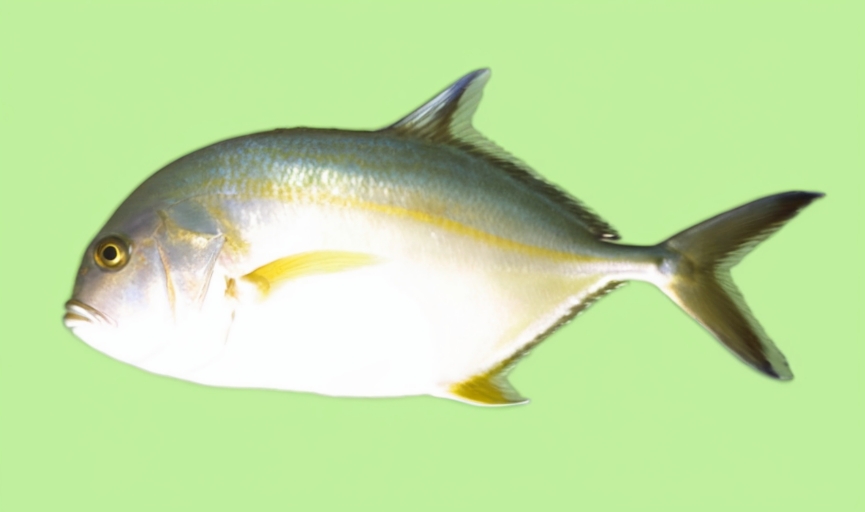
Caranx heberi
Blacktip trevally has a compressed elongated body with the dorsal profile much more convex than the …
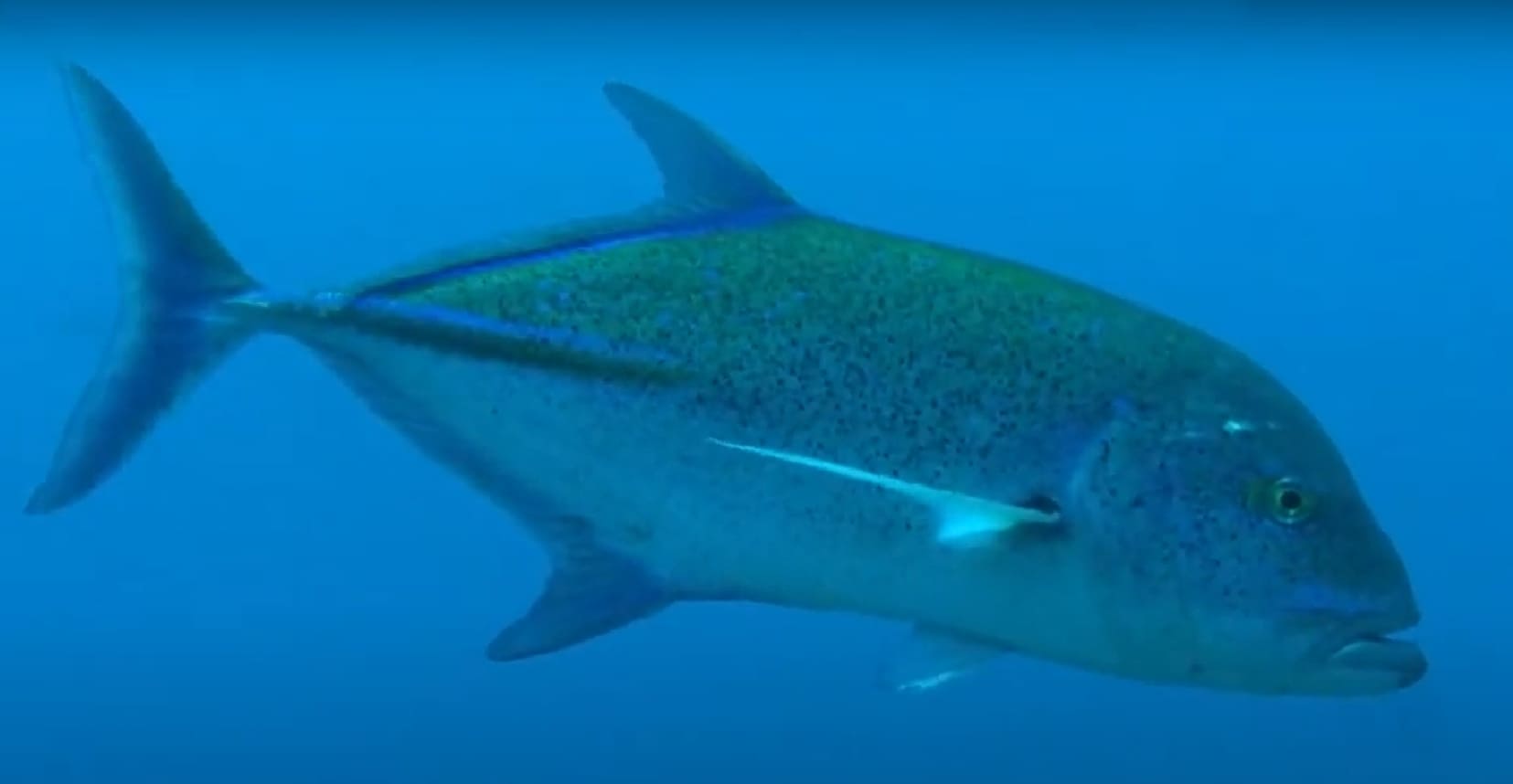
Caranx melampygus
Body elongated, slightly compressed at the sides, covered with small cycloid scales. The thorax is completely …
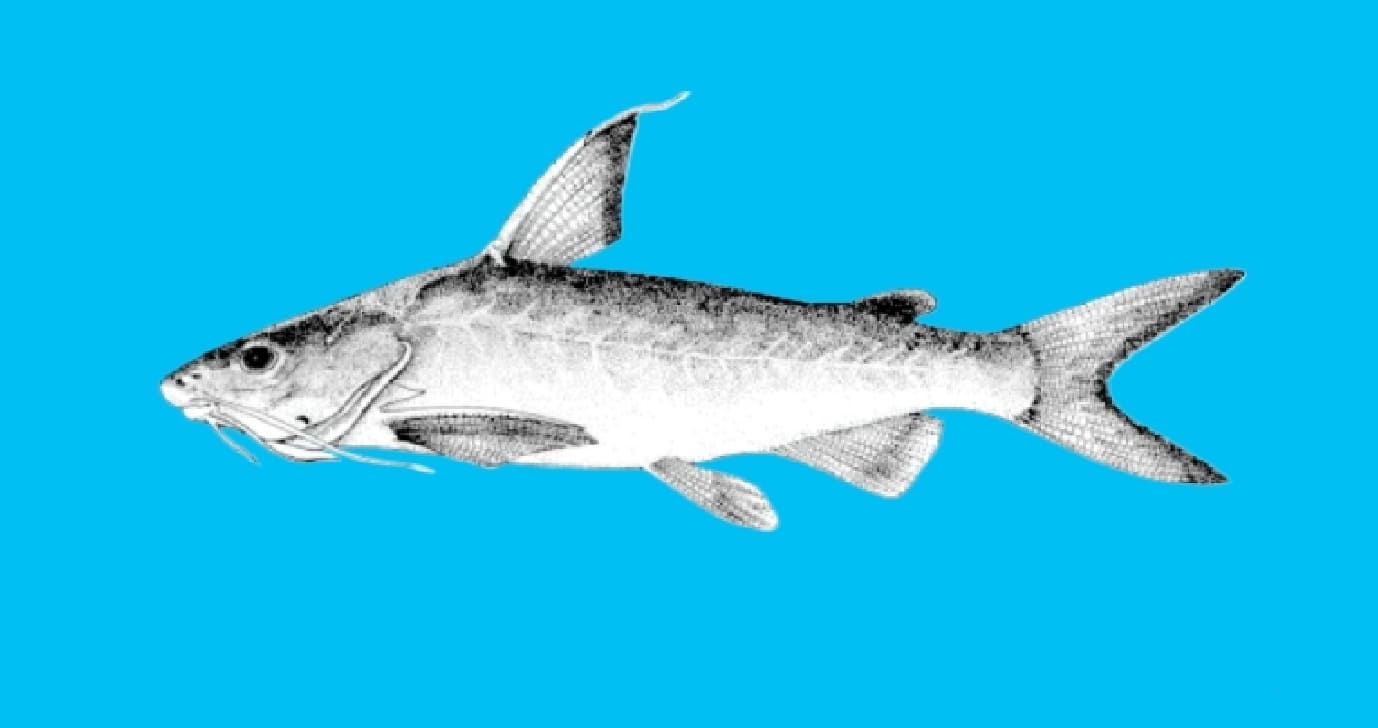
Arius dispar
The species was described by Albert William Herre in 1926, originally as part of the genus …
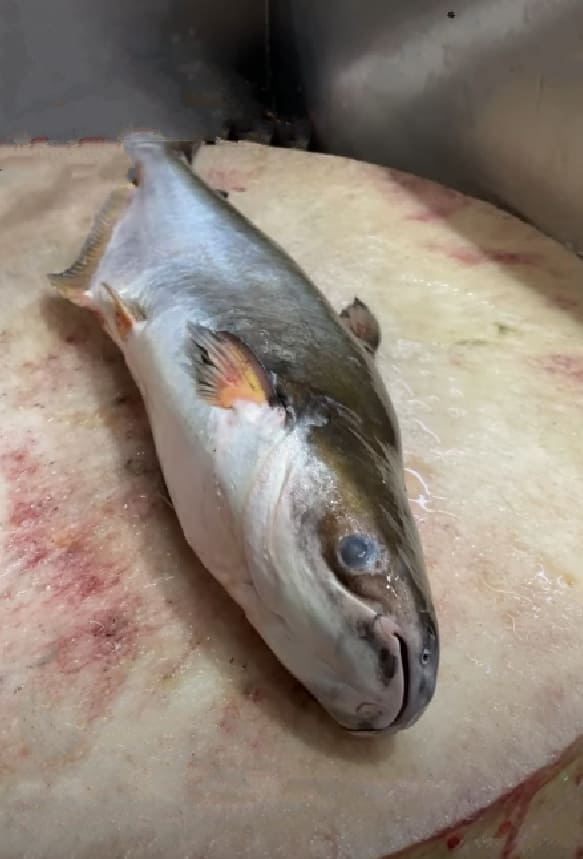
Arius gigas
Described by George Albert Boulenger in 1911, originally as genus Tachysurus. Body elongate and rounded; head …
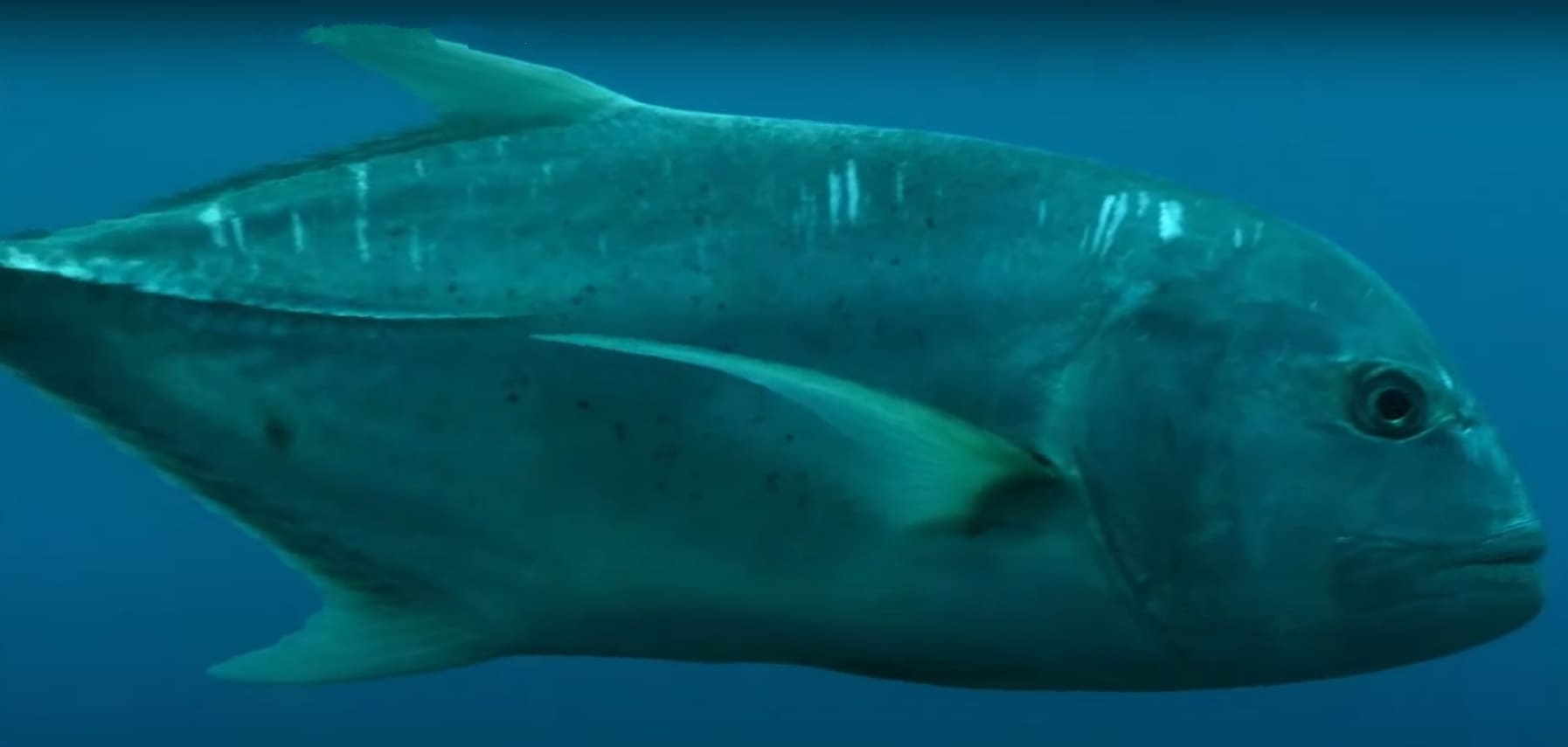
Caranx ignobilis
Body elongate, slightly compressed at the sides, covered with small cycloid scales. Thorax without scales. Upper …
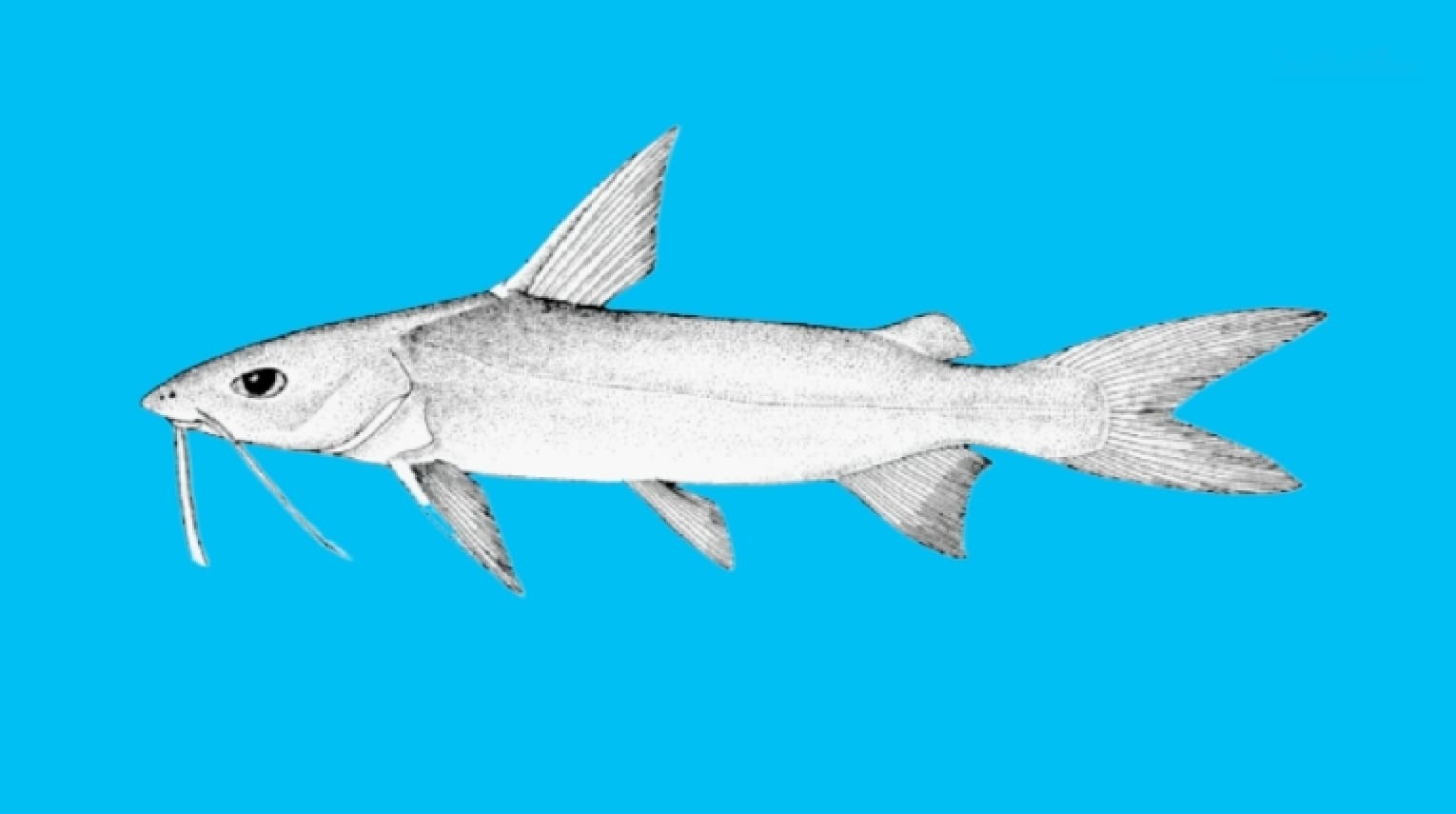
Arius sumatranus
The description of the species is attributed to Edward Turner Bennett in 1830. It was originally …
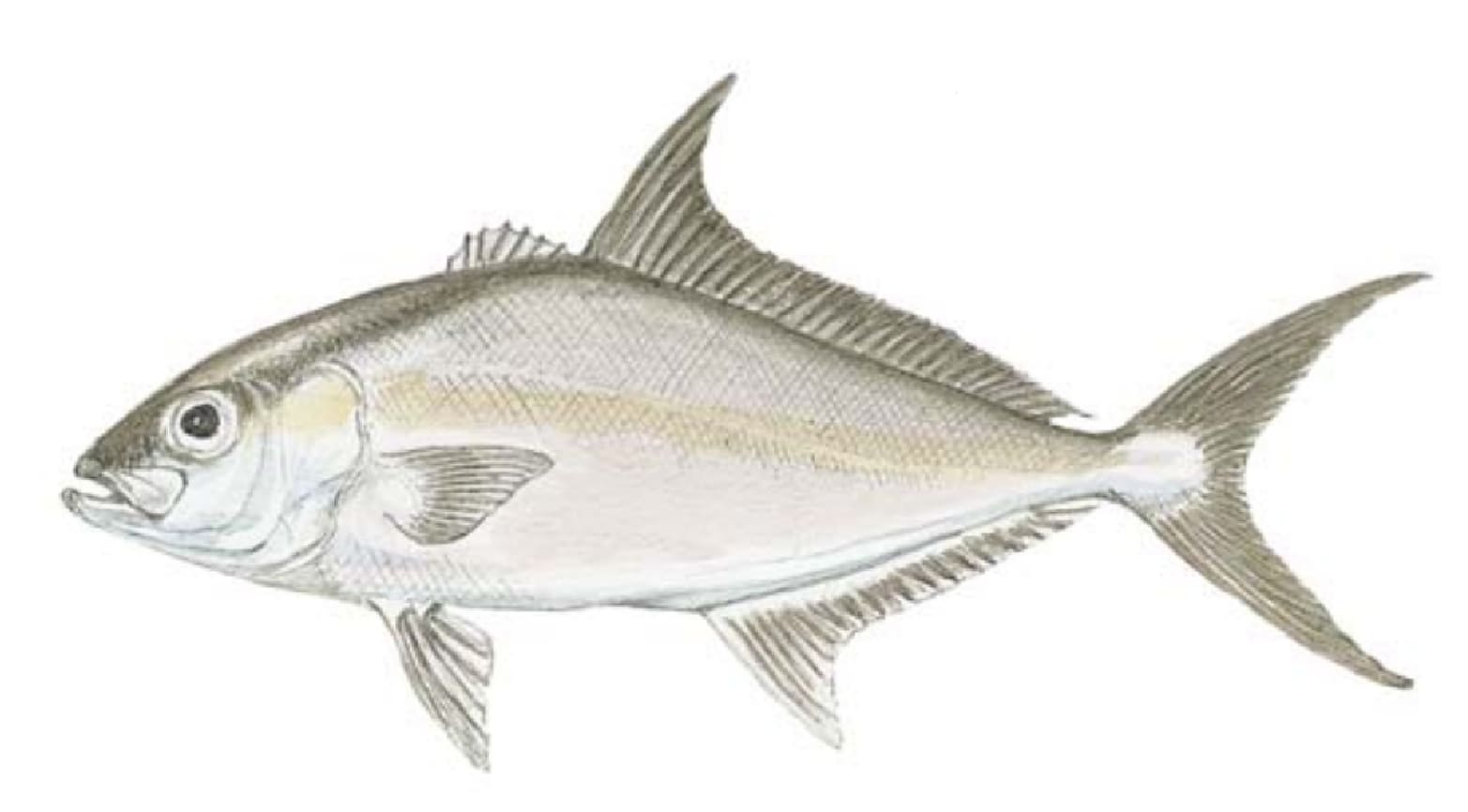
Seriola rivoliana
The body and fins may be a uniform dark brown, dark bluish-green, bronze, or metallic gray, …
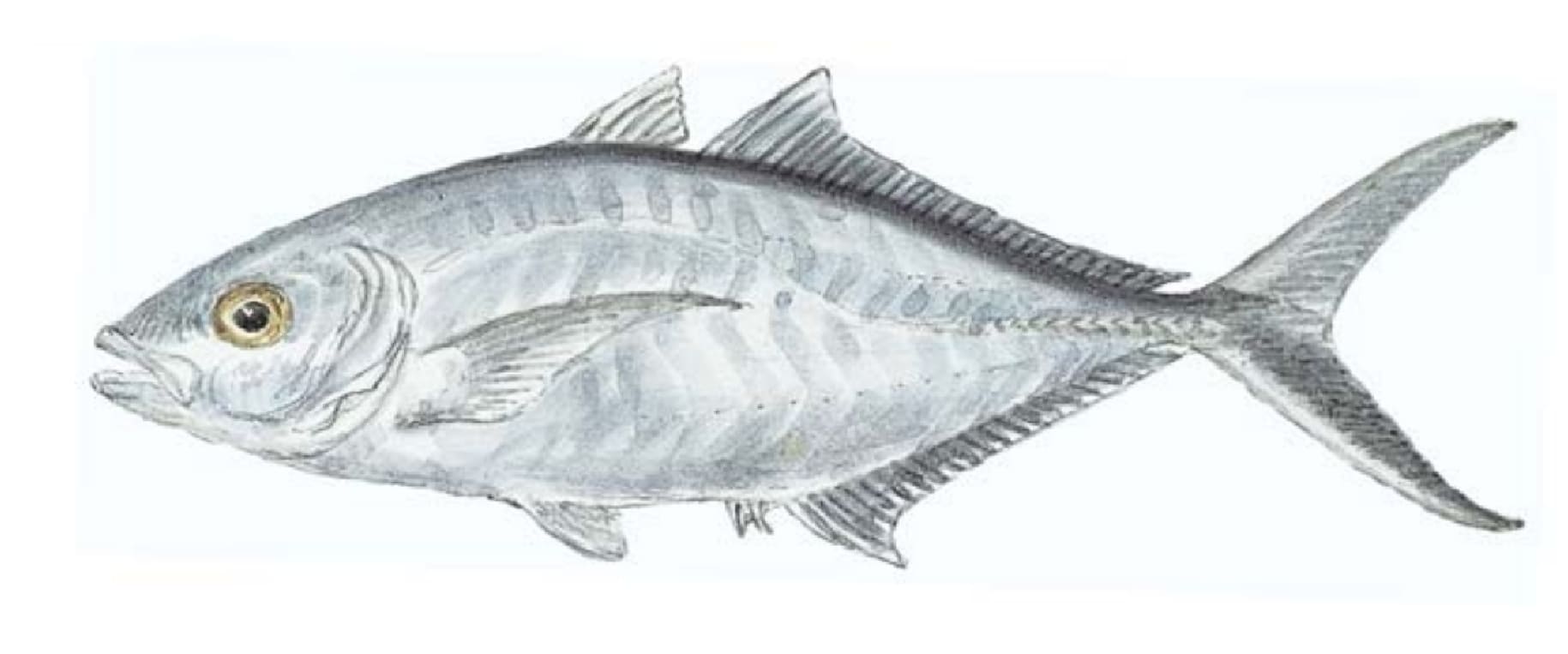
Caranx ruber
The Bar jack is silvery, with a dark bluish stripe on the back that runs from …
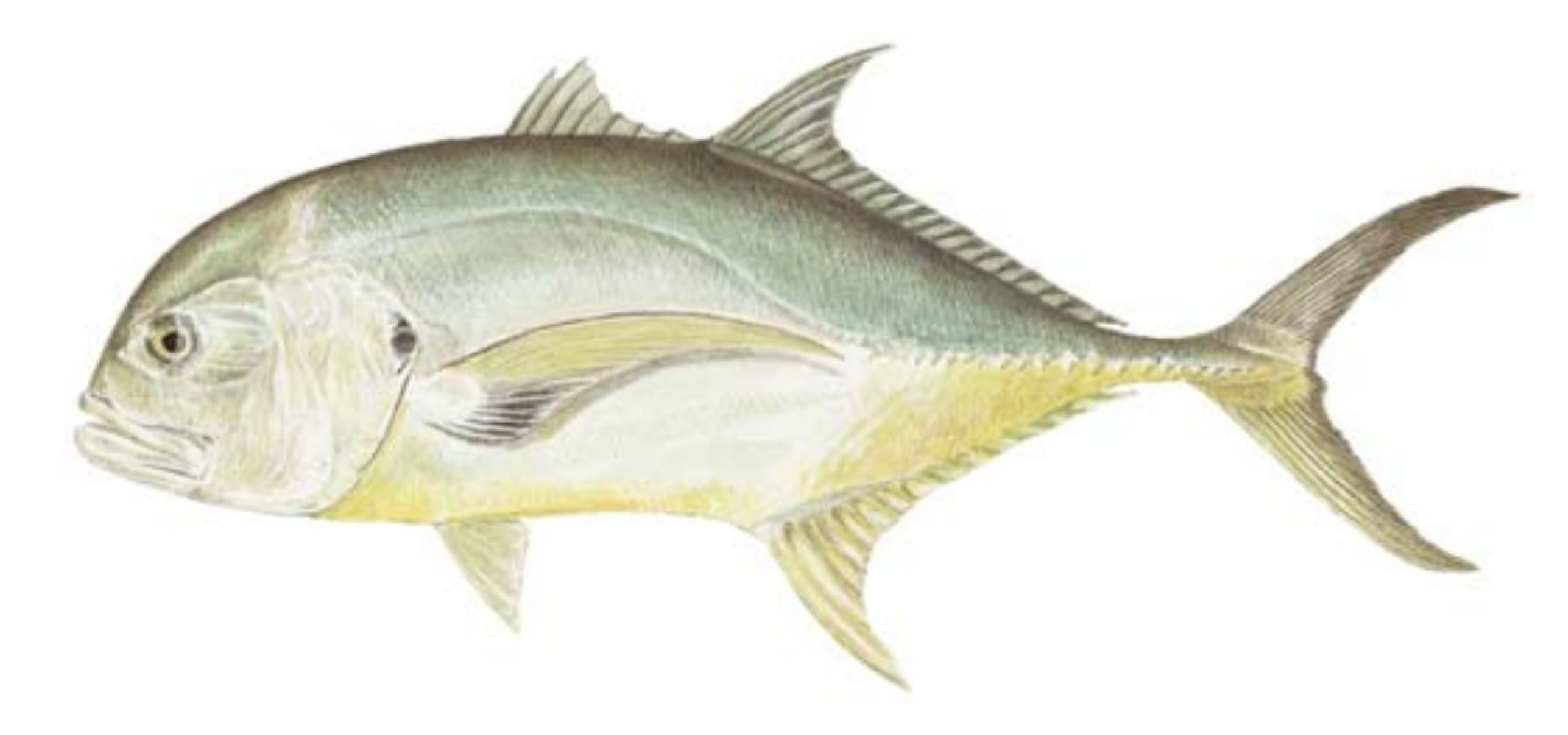
Caranx hippos; Caranx caninus
Both species are bluish-green or greenish gold on the back and silvery or yellowish on the …
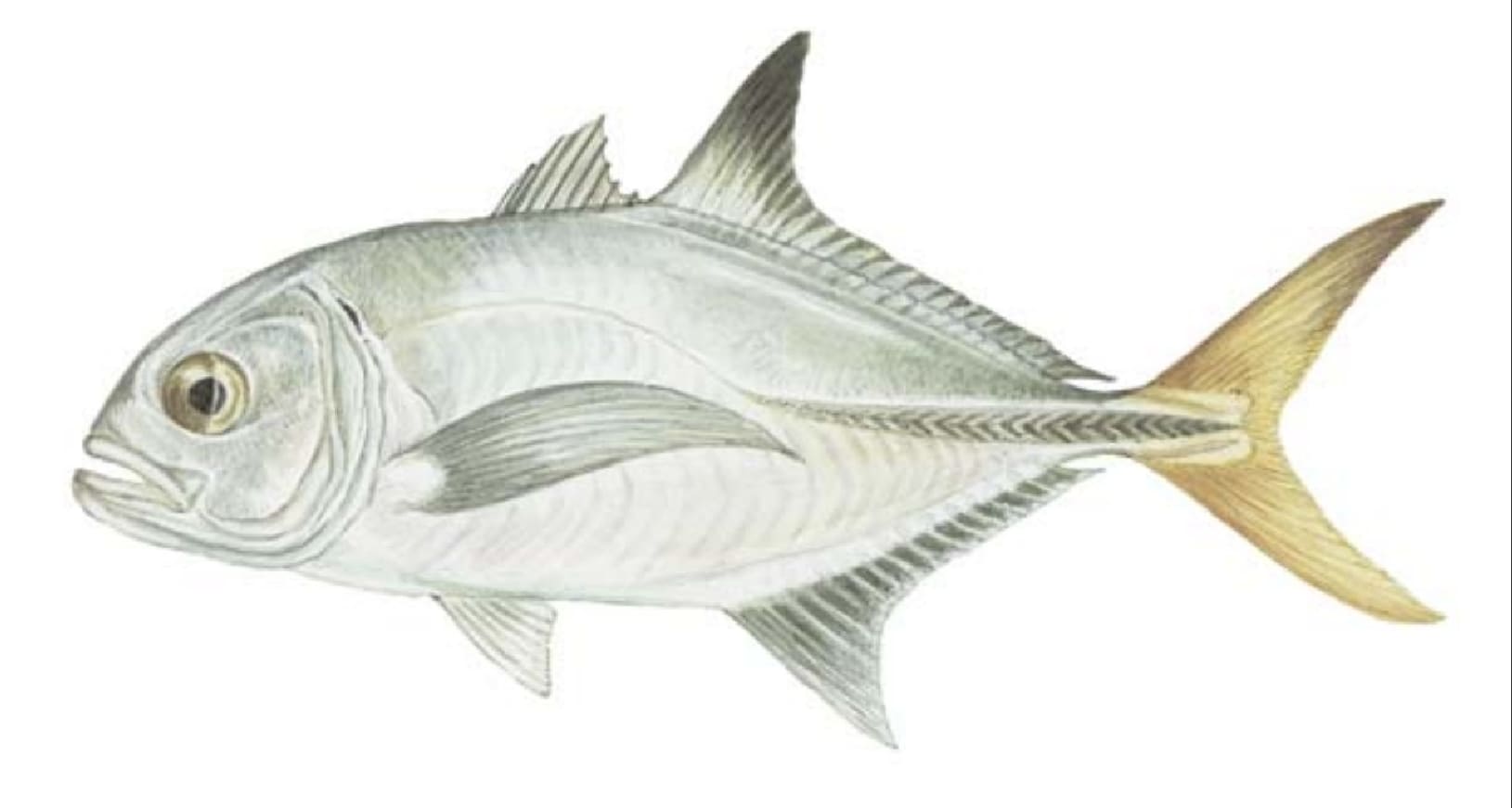
Caranx latus
The horse-eye is silvery, with yellow caudal fins and usually darker edges on the dorsal and …
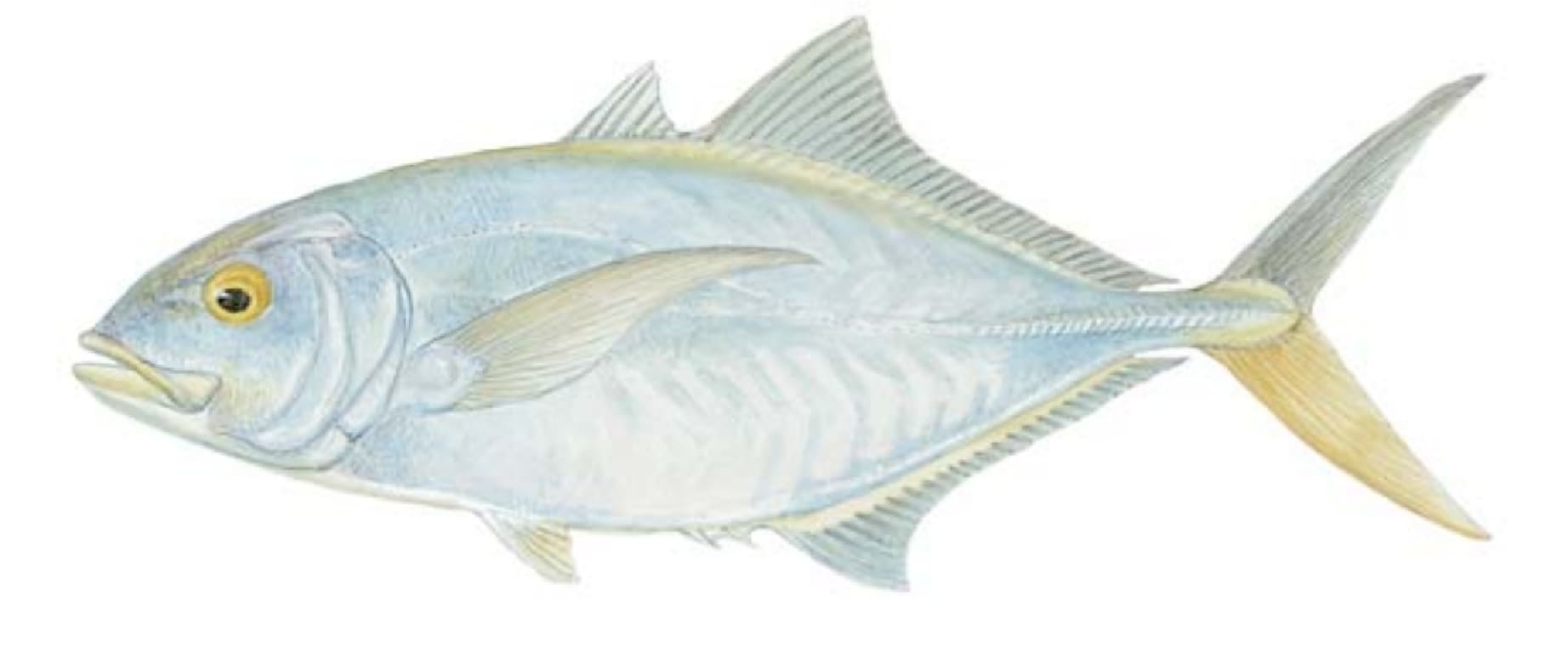
Caranx bartholomaei
Silver with a yellow cast, the yellow jack has a bluish back and strongly yellowed flanks, …
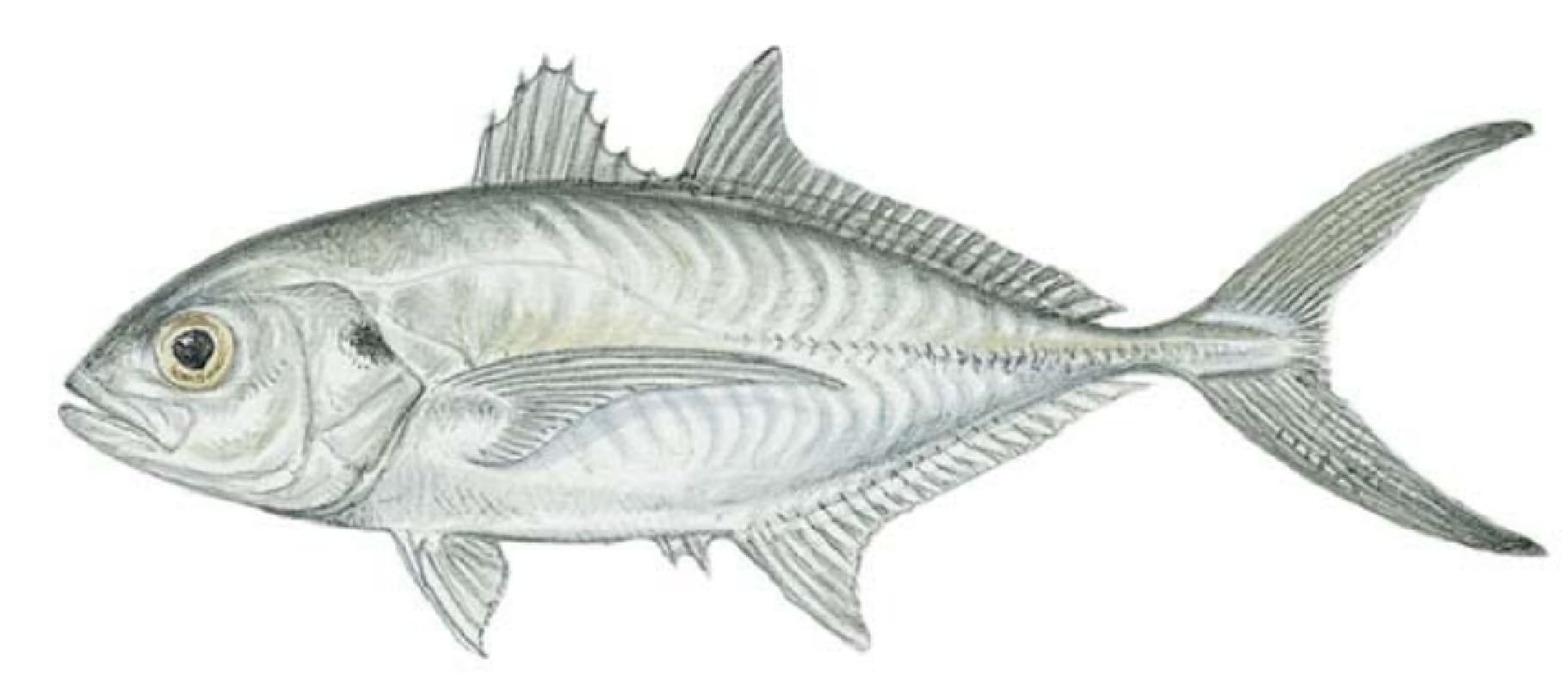
Caranx crysos
The body is bluish-green to coppery-silver, silvery, or light olive. The upper end of the gill …
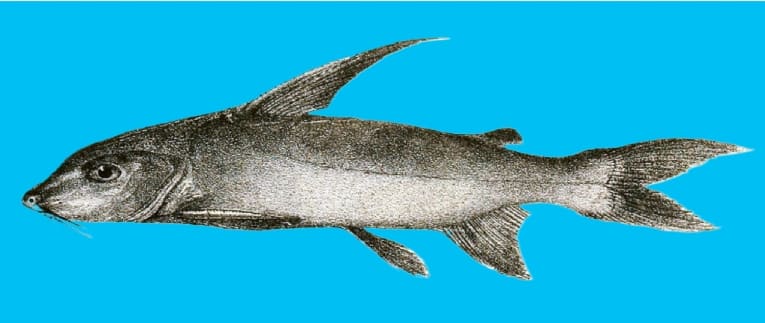
Arius subrostratus
The species was first described in 1840 by Achille Valenciennes.
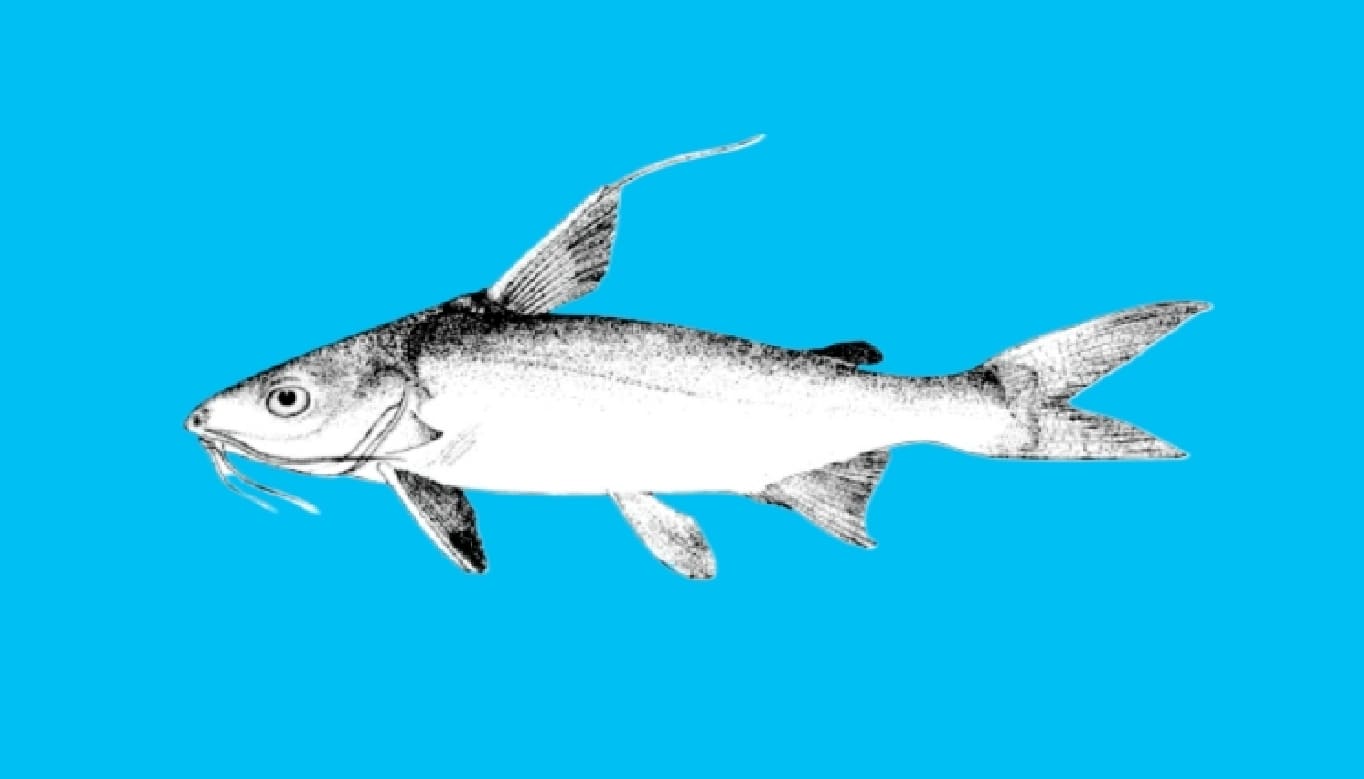
Arius arius
The species was described by Francis Buchanan-Hamilton in 1822, originally as part of the genus Pimelodus.
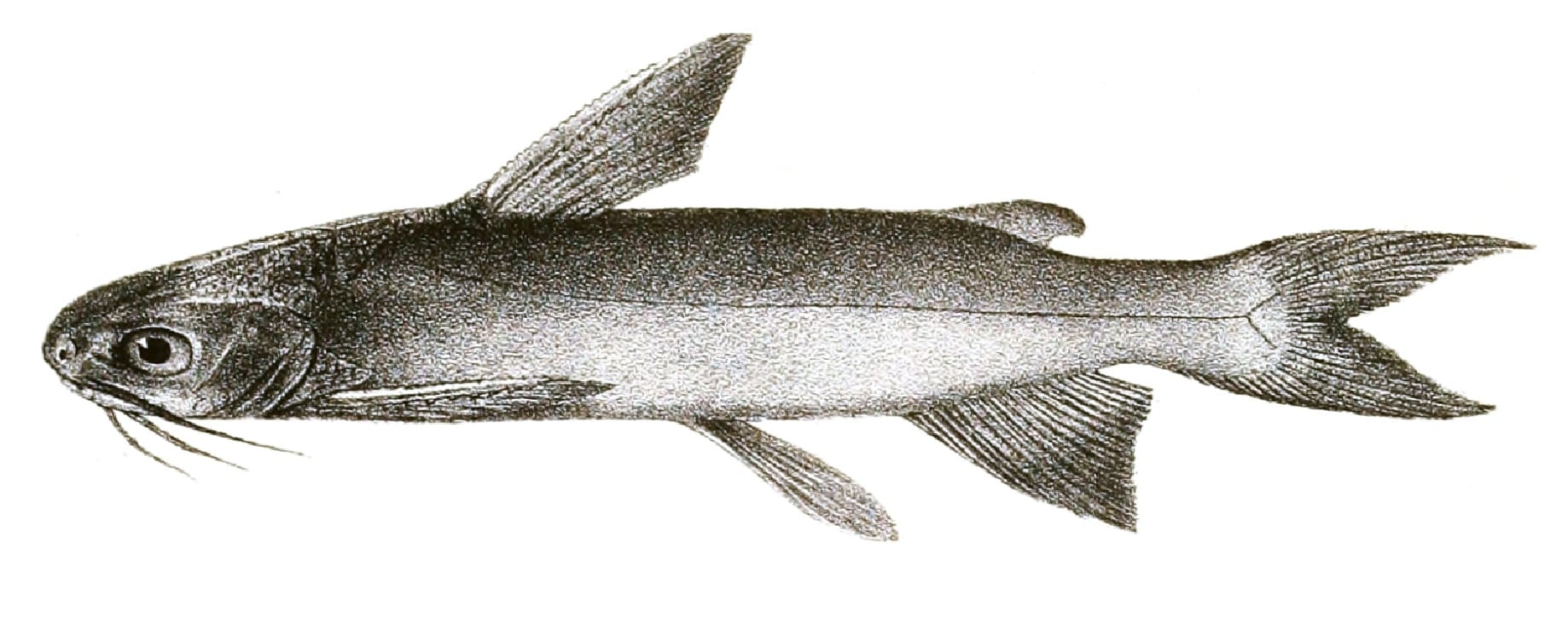
Arius venosus
The species was described in 1840 by Achille Valenciennes.
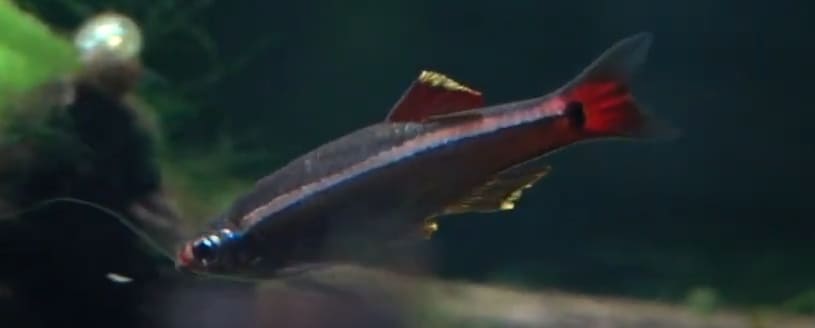
Tanichthys albonubes
Body elongated in length, slender, slightly flattened at the sides in front. Muzzle blunt, lips thin, …