 Allfishes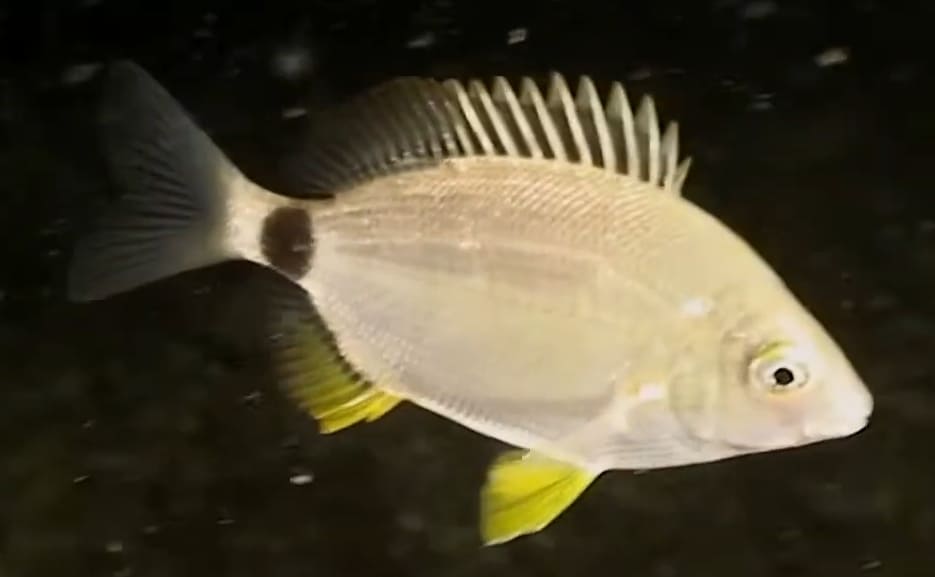
Annular seabream
Diplodus annularis
It has a deep, compressed body with an elongated ovoid shape. There are 8 incisors in …
Guide to marine fish with sorting and selection options by family, feeding method, size, and other important characteristics.
Showing 1–16 of 16
Diplodus annularis
It has a deep, compressed body with an elongated ovoid shape. There are 8 incisors in …
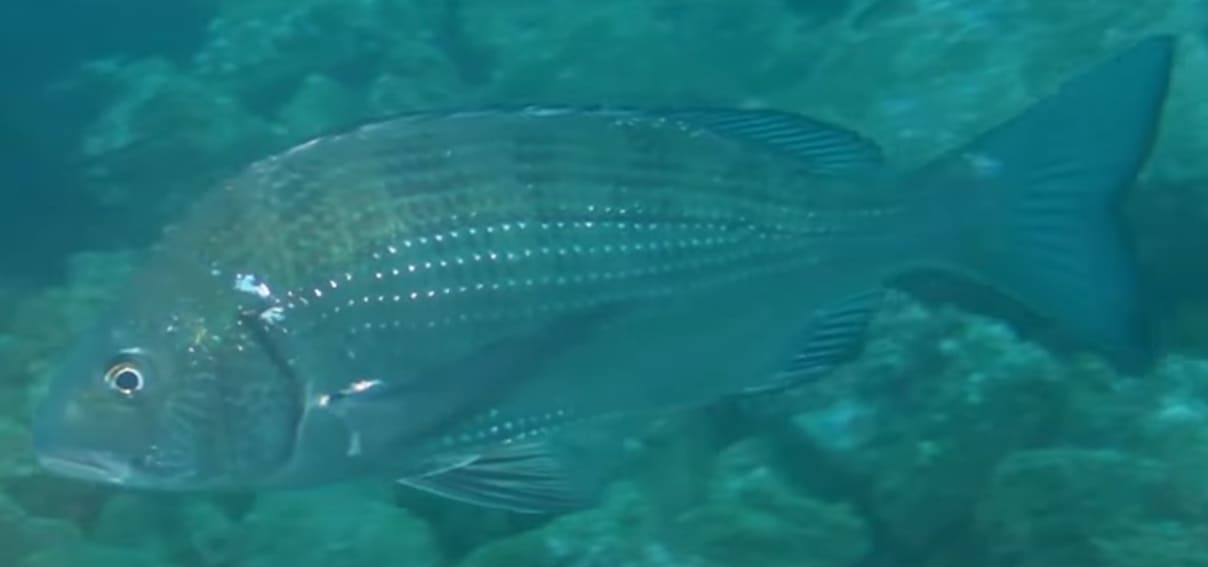
Acanthopagrus schlegelii
The body is tall, strongly flattened at the sides. The head is large. Mouth terminal small. …
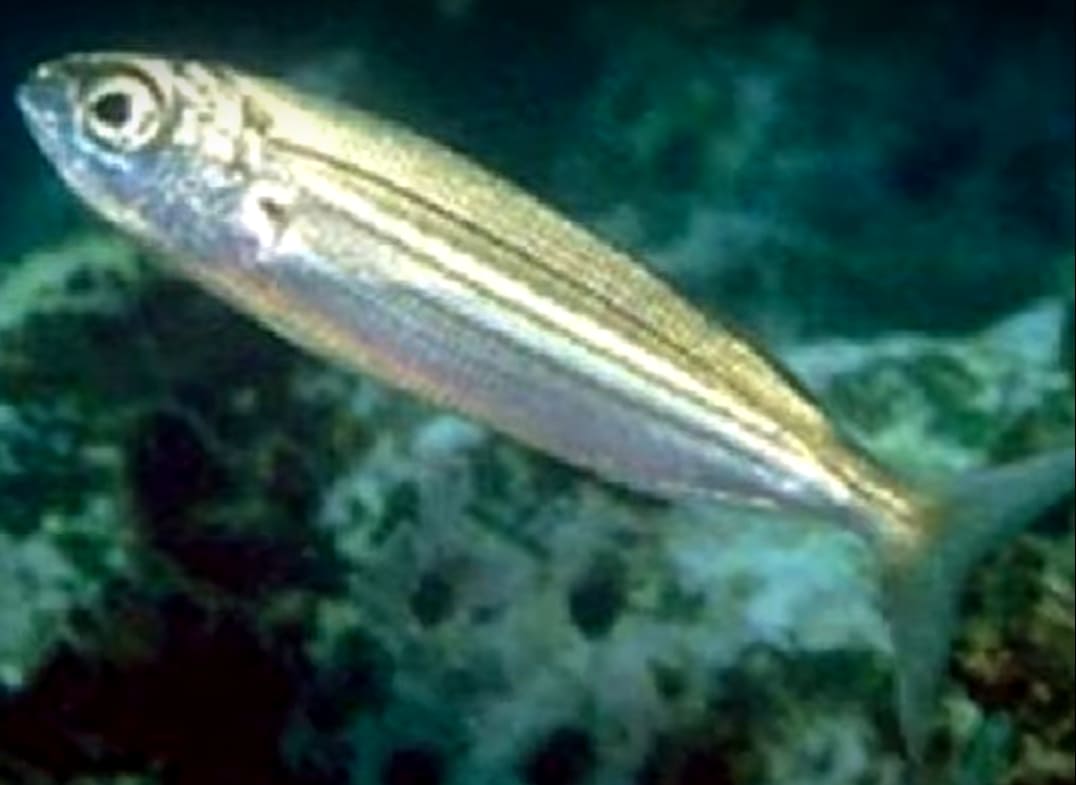
Boops boops
Has an elongated body, compressed at the sides, covered with small scales. Dorsal spines: 13-15; Dorsal …
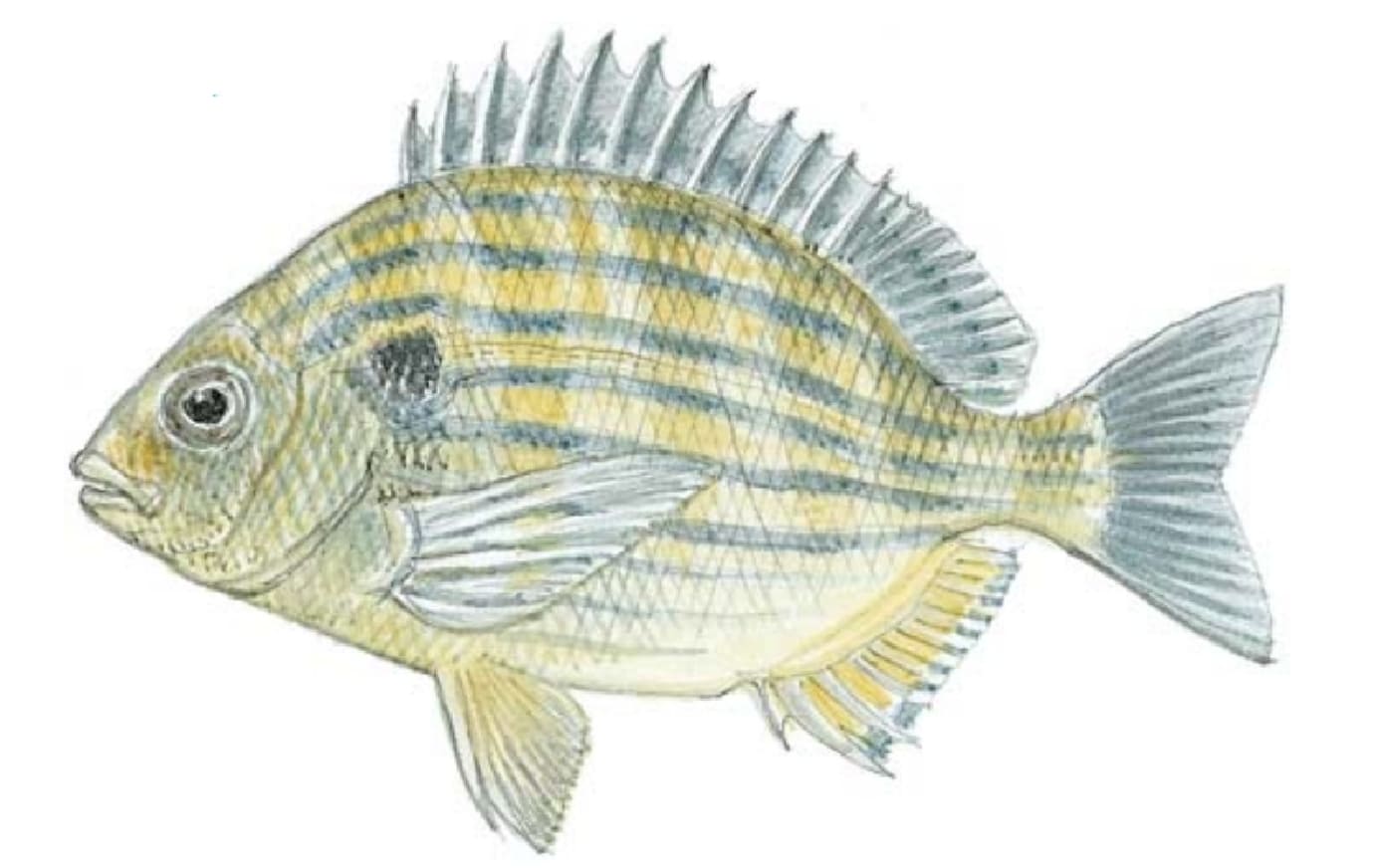
Archosargus rhomboidalis
The West Atlantic sea bream is similar to other members of its genus. It differs in …
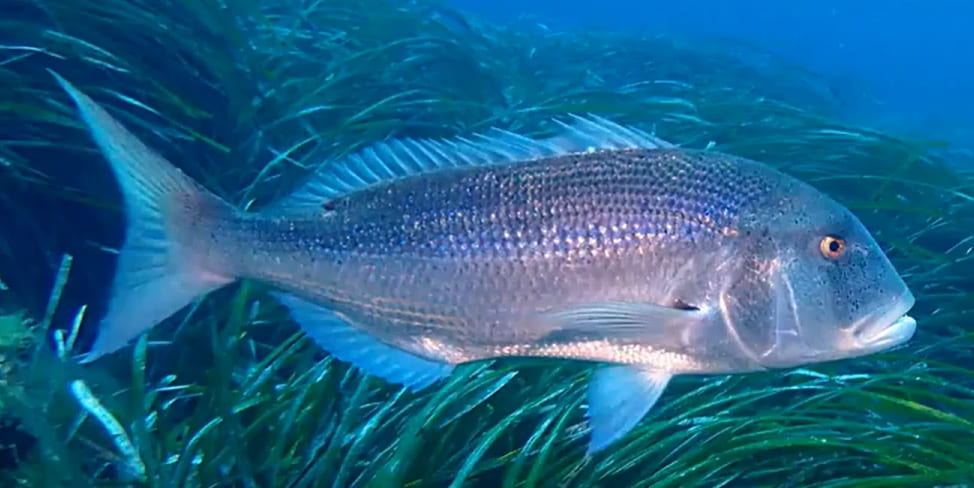
Dentex dentex
Body oval in shape, compressed at the sides. The lateral line organ is clearly visible on …
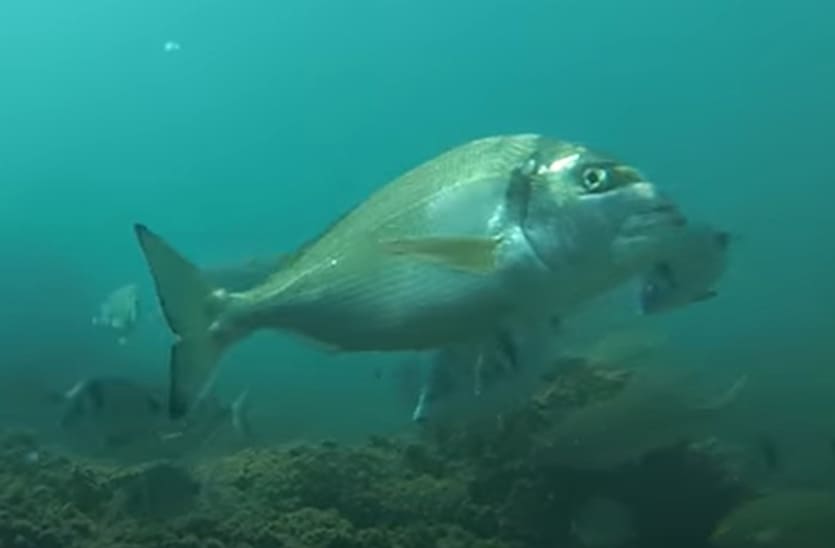
Sparus aurata
Body oval, torso flattened at the sides with a steep head profile, with a distinct sharp …
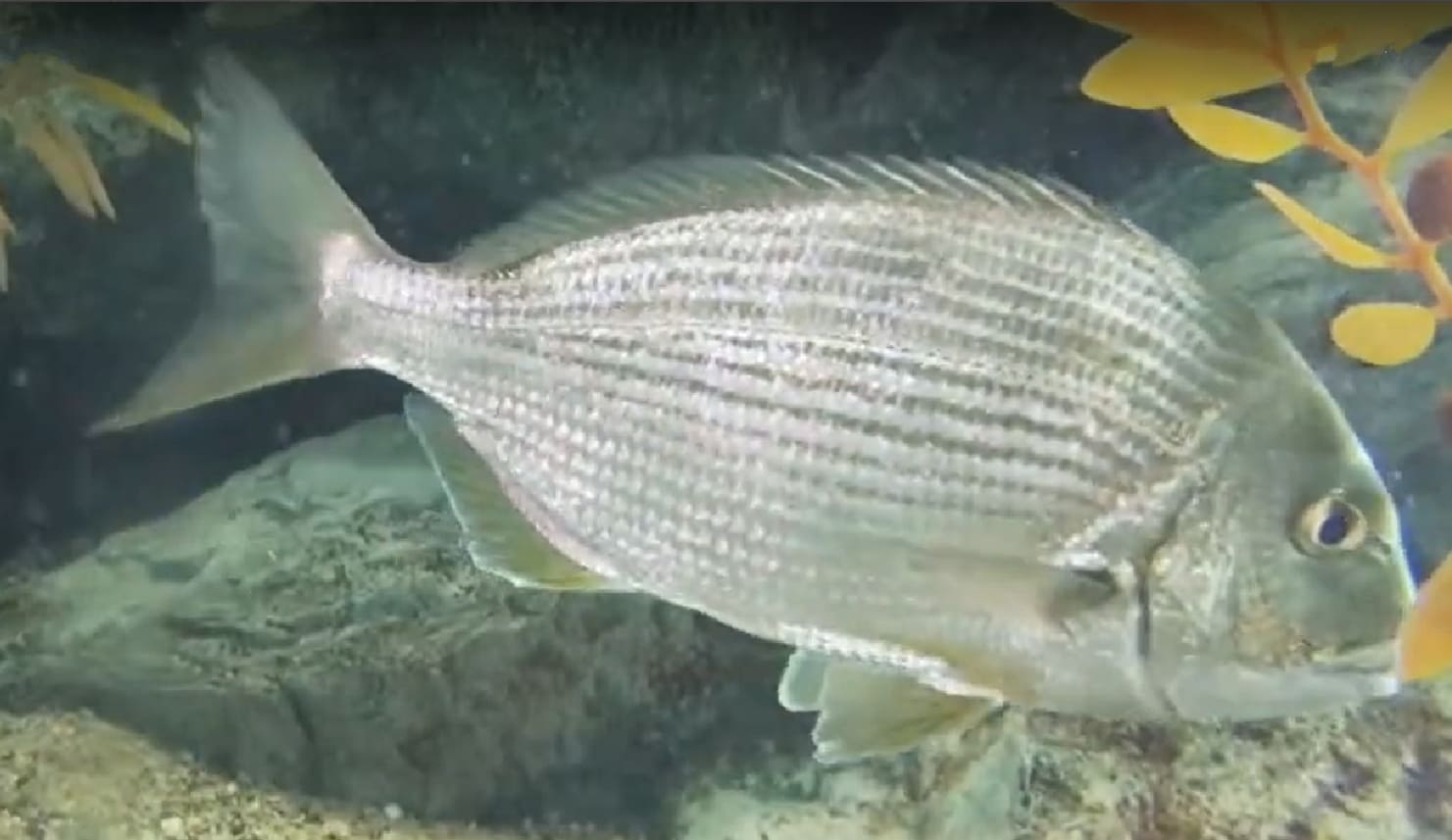
Rhabdosargus sarba
The goldlined seabream has a deep and compressed body, with a depth of 2-2.3 times its …
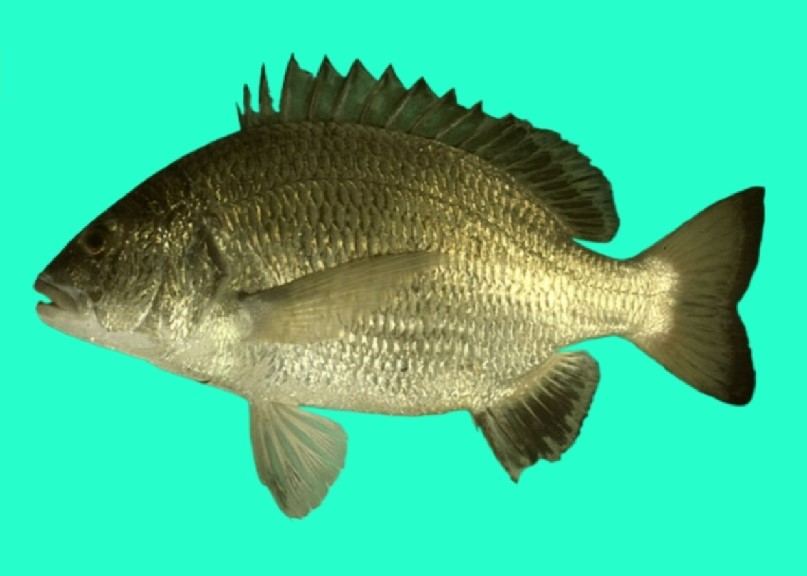
Acanthopagrus berda
The goldsilk seabream has a relatively deep and compressed body, with a depth of 2.4-2.6 times …
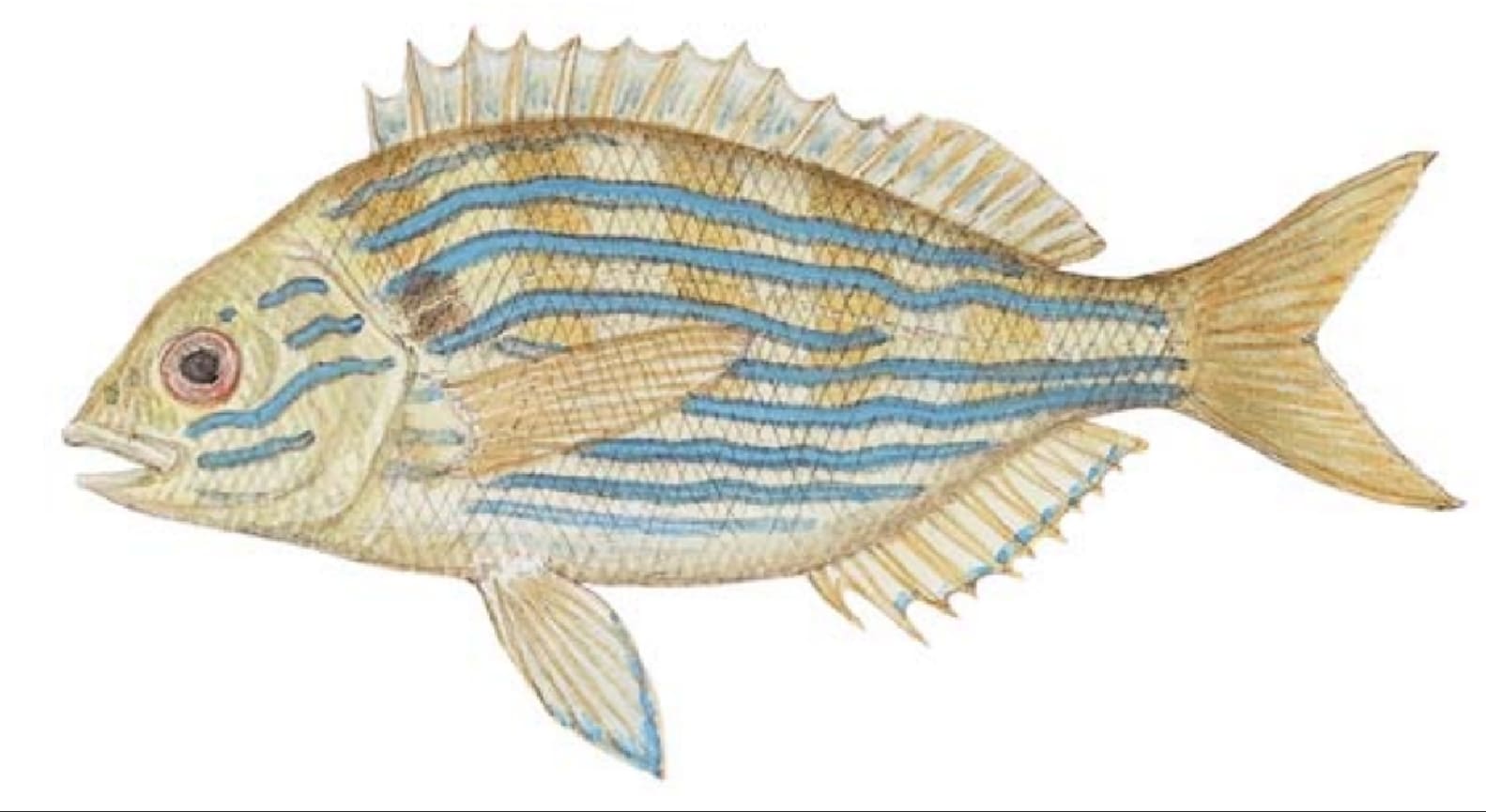
Lagodon rhomboides
The fish has an elongate-oval, compressed body, with the head raised high in the area in …
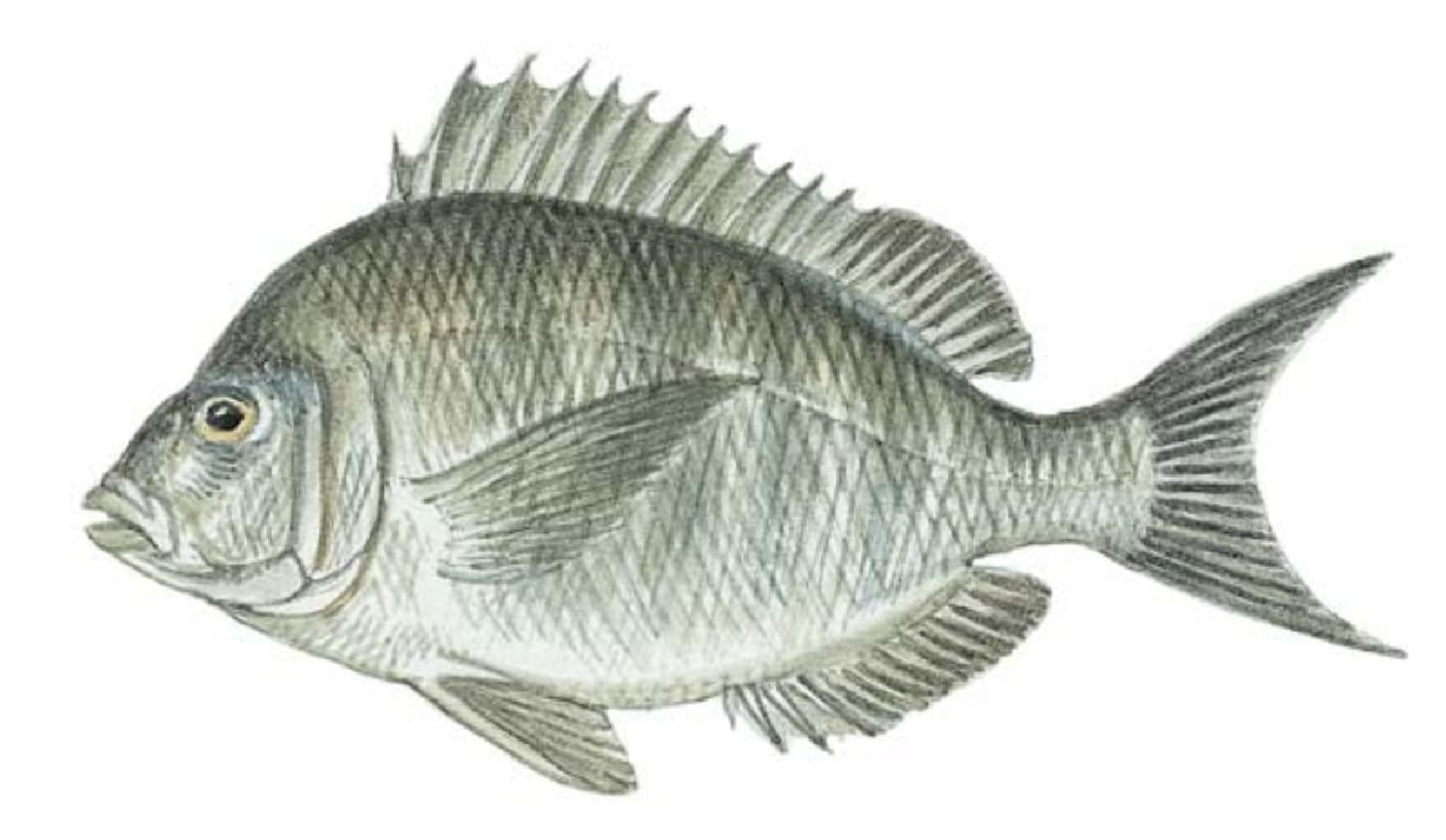
Stenotomus chrysops
The body is oval, and the pectoral fins are shorter than the length of the head. …
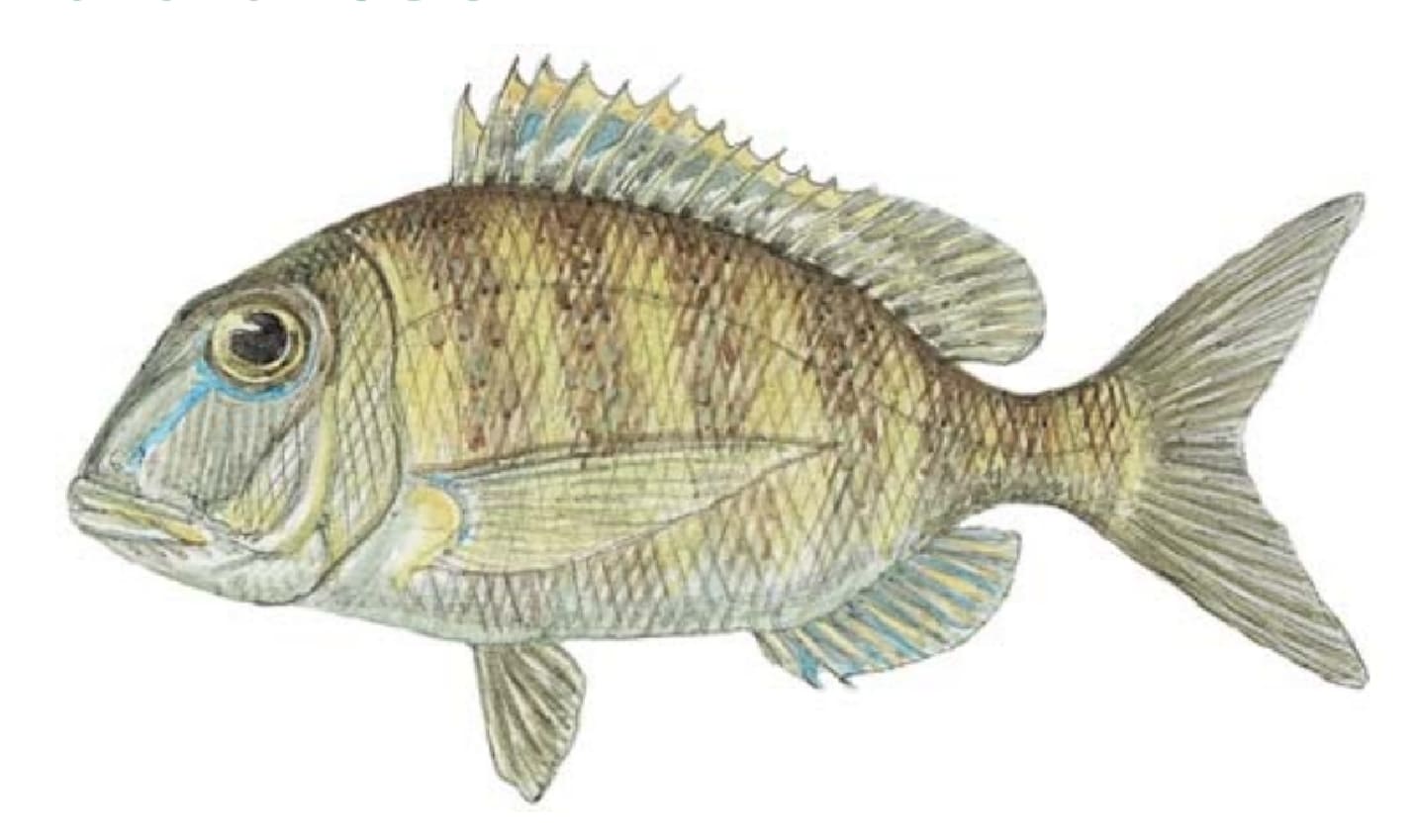
Calamus bajonado
The body is elongated, tall and strongly compressed from the sides. The high, rounded forehead gives …
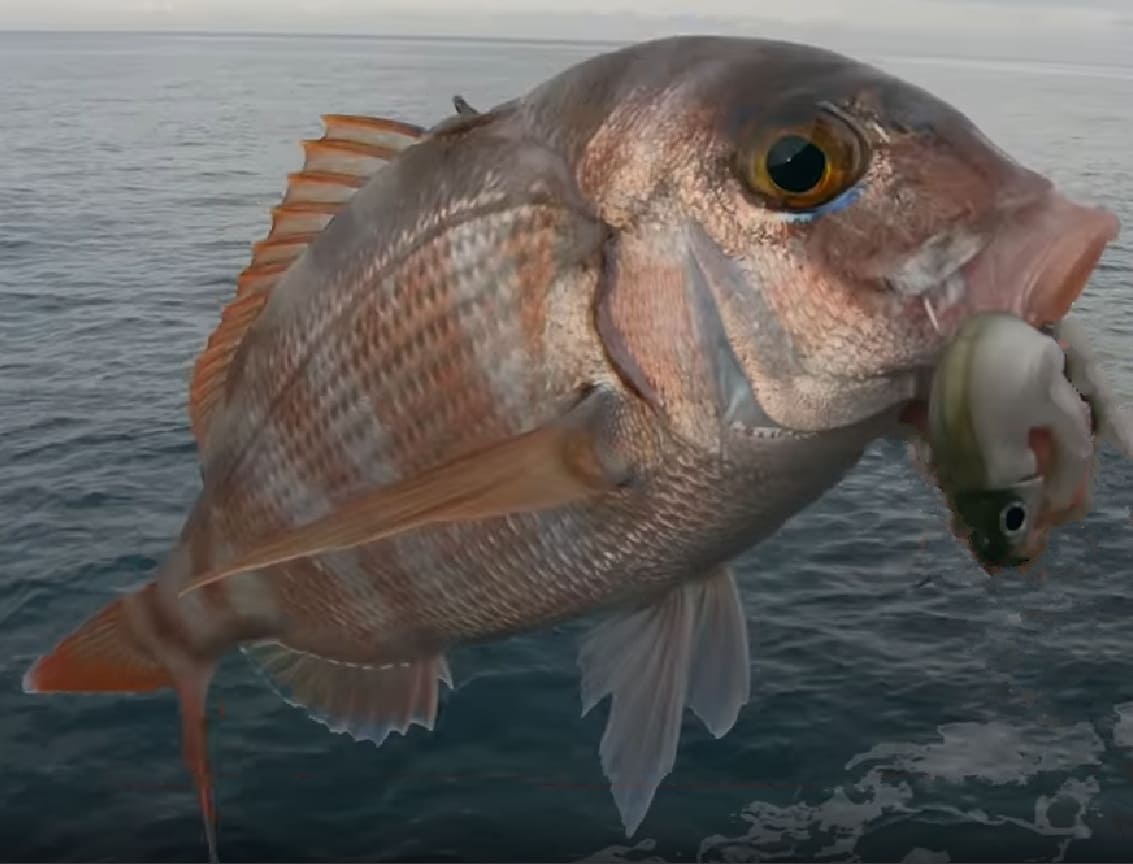
Pagrus pagrus
Body oval, moderately deep. Head profile convex, slightly steeper in front of the eyes; 6 or …
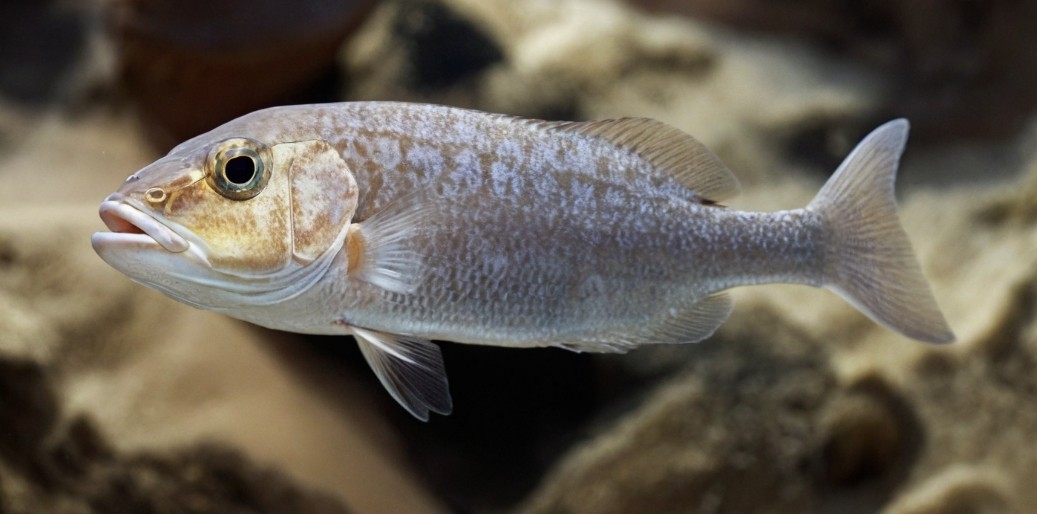
Lithognathus mormyrus
The body of the Sand Steenbras is elongated, flattened at the sides with a slightly rounded …
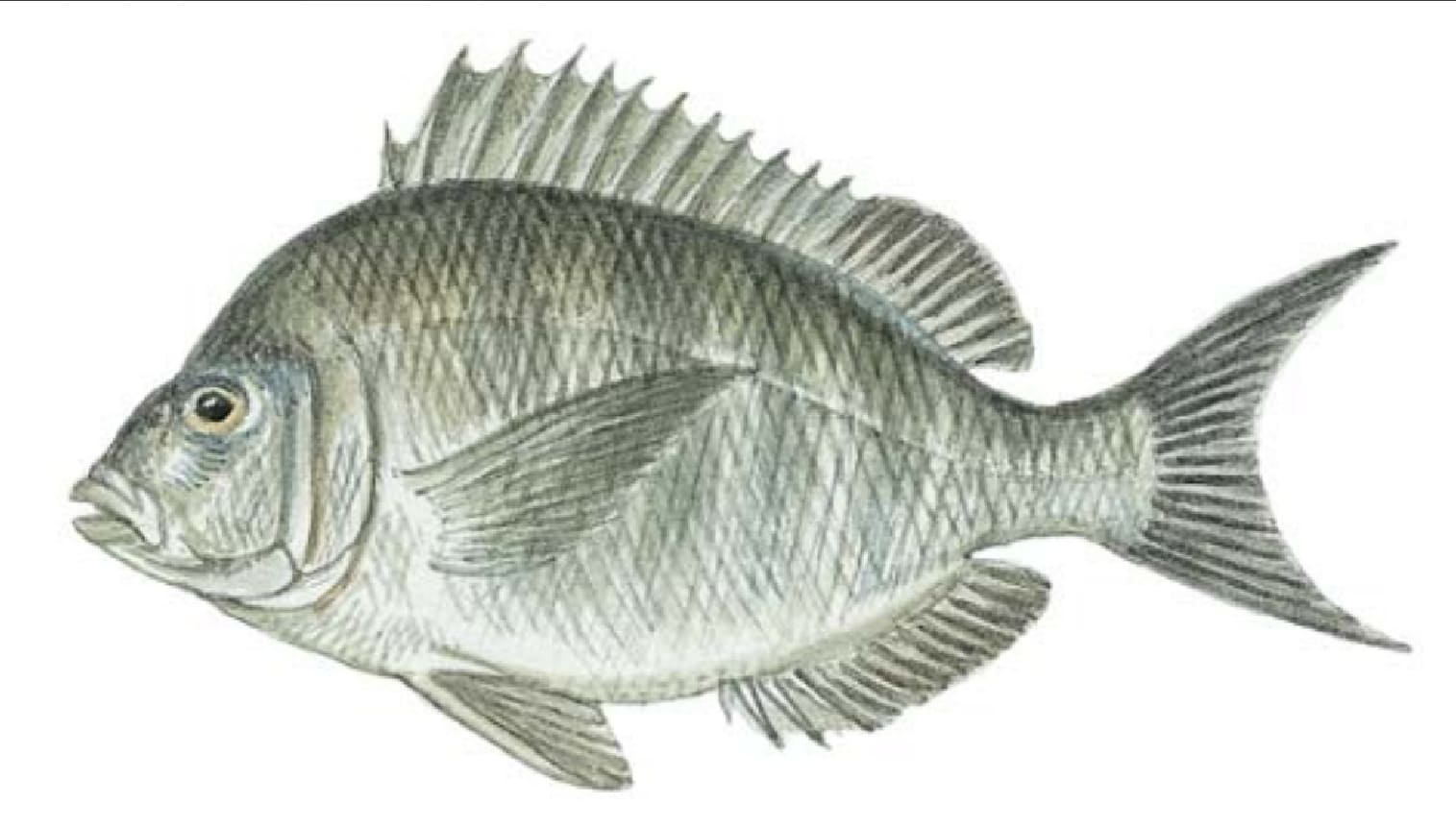
Stenotomus chrysops
The fish are inconspicuous in appearance. They have a deep body, about the same depth as …
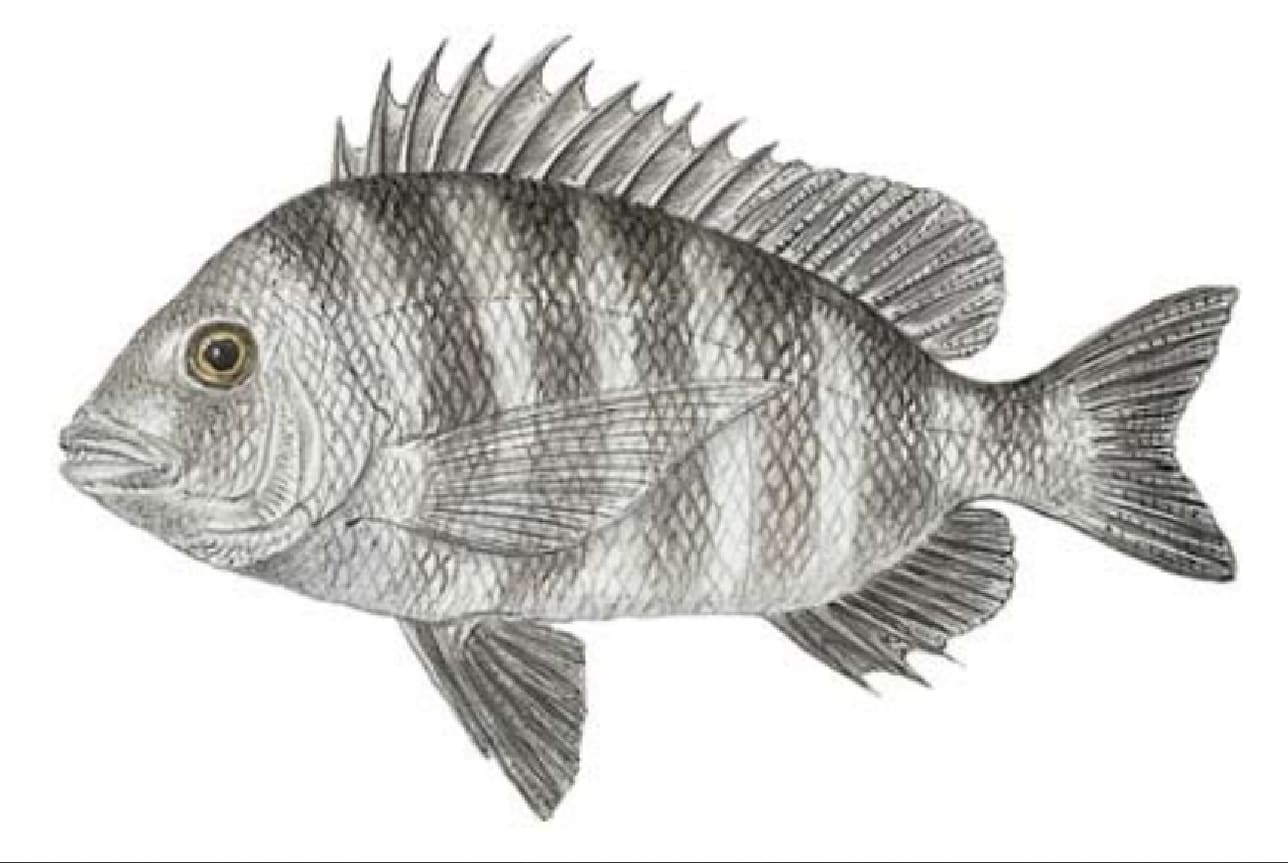
Archosargus probatocephalus
The body is comparatively short and high. Head is high. Mouth almost horizontal, small or medium-sized, …
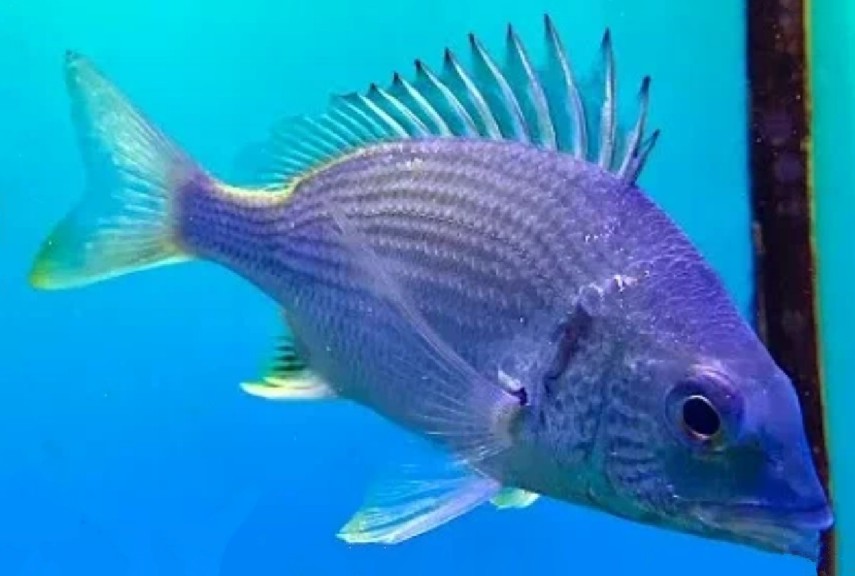
Acanthopagrus latus
Yellowfin seabream have a deep body with a standard length twice its depth. The dorsal part …