 Allfishes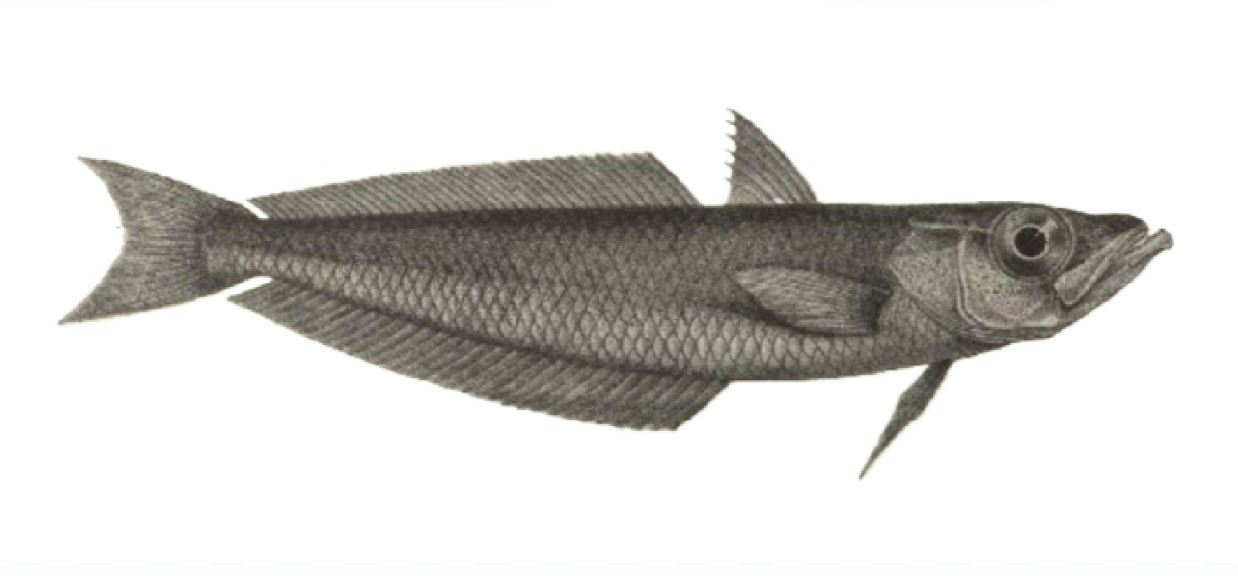
Antarctic silverfish
Pleuragramma antarctica
The body of the Antarctic silverfish is pronounced, strongly compressed at the sides, herring-shaped, with rather …
Guide to marine fish with sorting and selection options by family, feeding method, size, and other important characteristics.
Showing 1–11 of 11
Pleuragramma antarctica
The body of the Antarctic silverfish is pronounced, strongly compressed at the sides, herring-shaped, with rather …
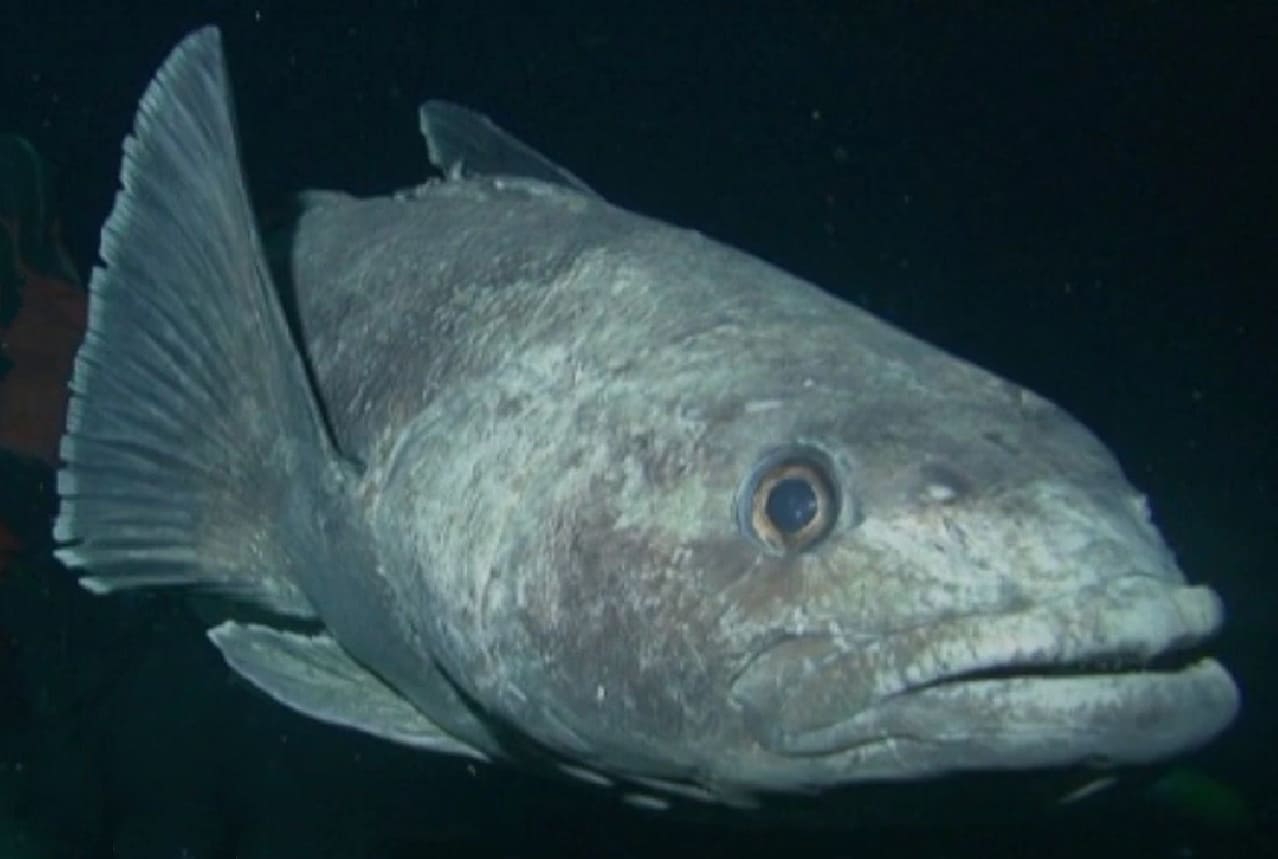
Dissostichus mawsoni
First dorsal fin with 7-9 barb rays, second dorsal fin with 24-27 barb rays, anal fin …
Pagothenia borchgrevinki
The first dorsal fin has 4-7 flexible barb rays, the second dorsal fin has 34-38 flexible …
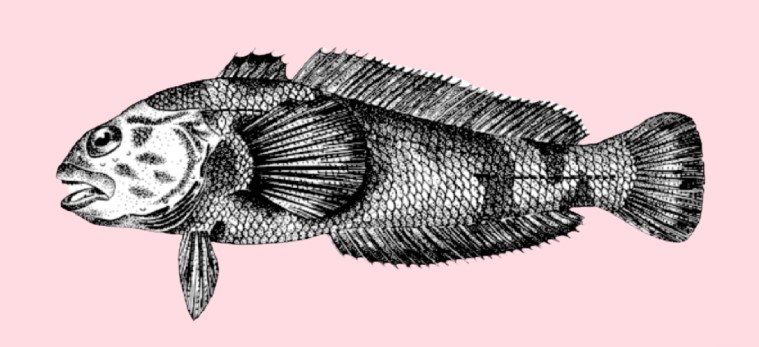
Notothenia coriiceps
Notothenia: Greek, 'notos', ou; νοτος, ου), from the south + Greek, 'e 'eutheneia',as or 'euthenia', as …
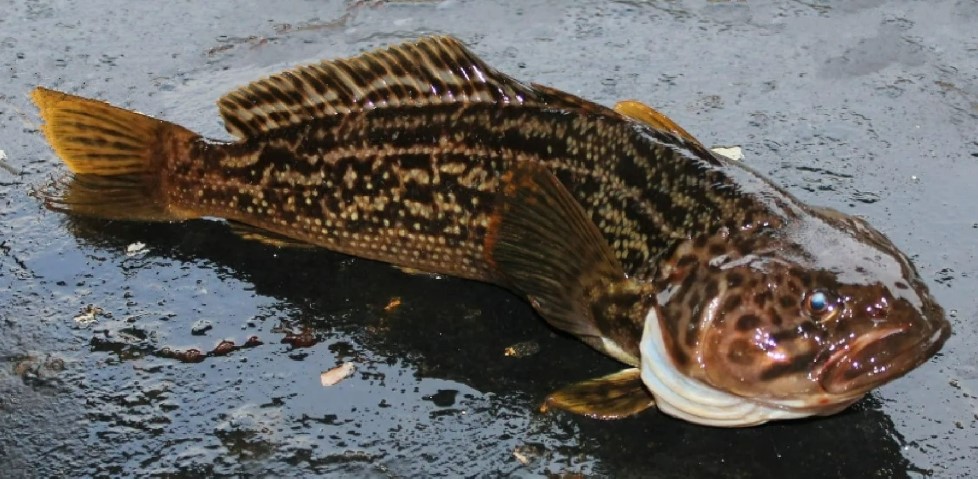
The species name gibberifrons is a combination of the words gibber, meaning 'humpback', and frons, meaning …
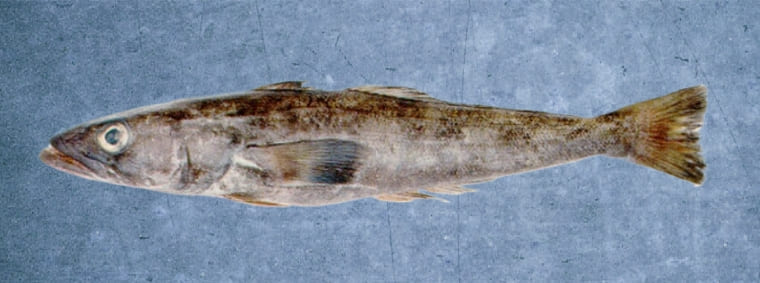
Dissostichus eleginoides
The Patagonian toothfish has a streamlined, spindle-shaped body that is 5-6.4 times its normal length. It …
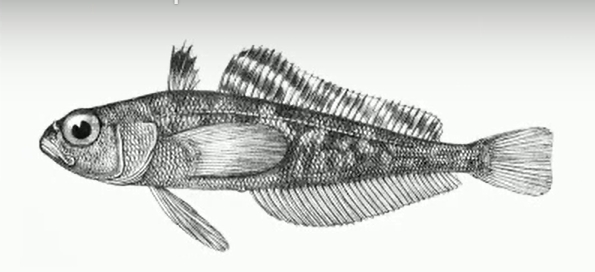
Pseudotrematomus eulepidotus
First dorsal fin with 6-7 flexible barb rays, second dorsal fin with 36-38 articulated rays, anal …
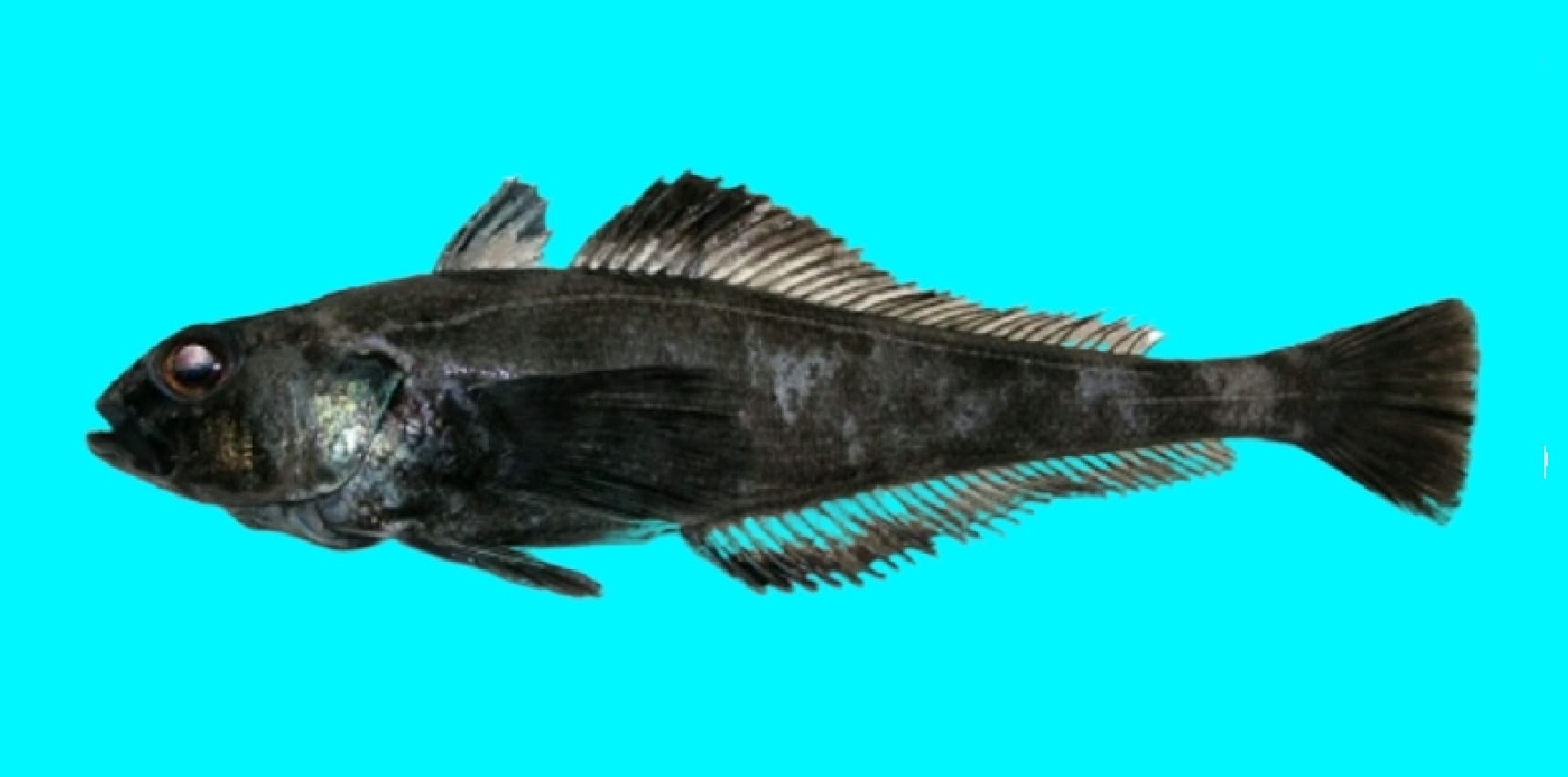
Trematomus loennbergii
The body of the Scaly Rockcod is elongated, moderately compressed at the sides, not high; its …
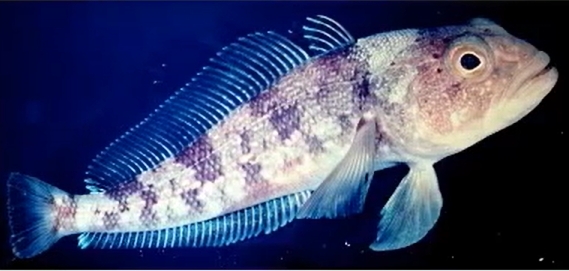
Trematomus nicolai
Body elongated, compressed at the sides. Mouth terminal, with horizontal or oblique slit; maxilla slightly erect. …
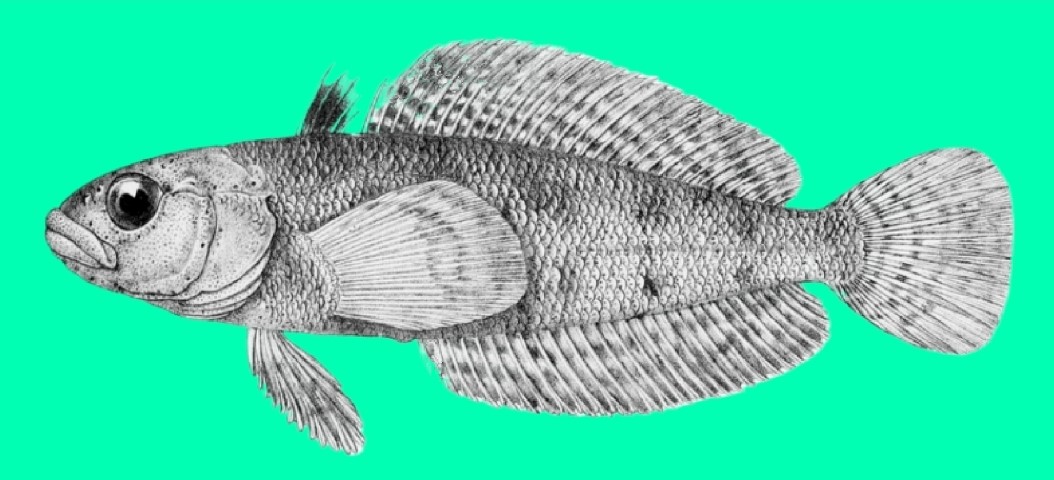
Pagothenia phocae
The species was first officially described in 1844 as Notothenia phocae by the Scottish naval surgeon, …
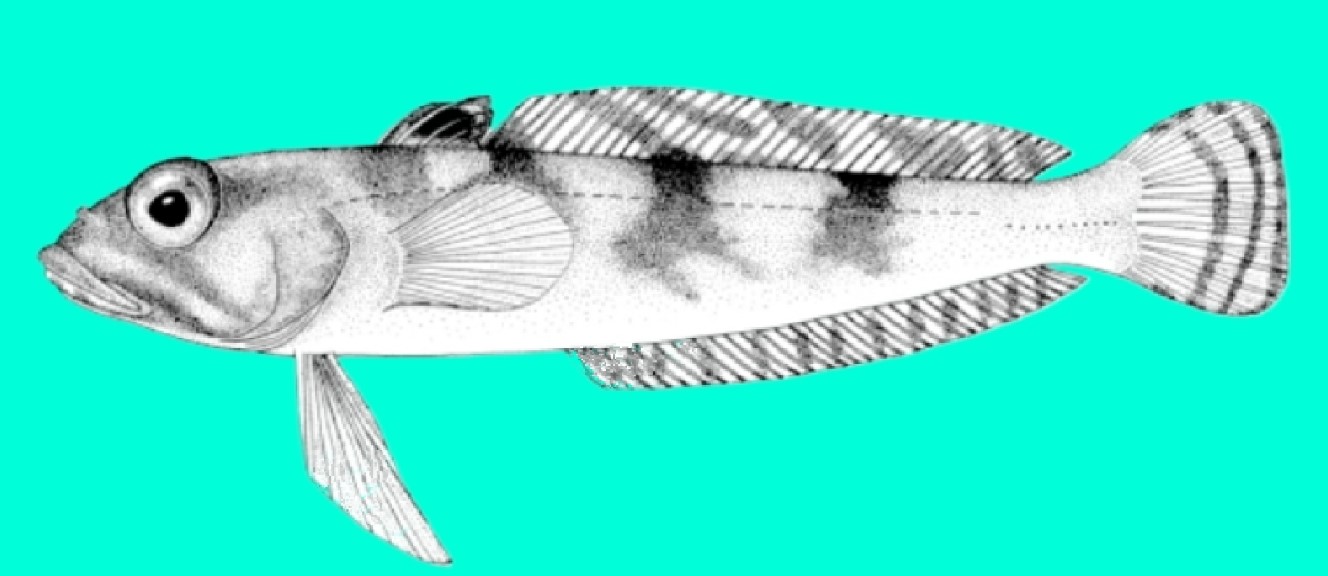
Lindbergichthys nudifrons
The body of the Yellowfin Rockcod is relatively short, compressed at the sides and not tall; …