 Allfishes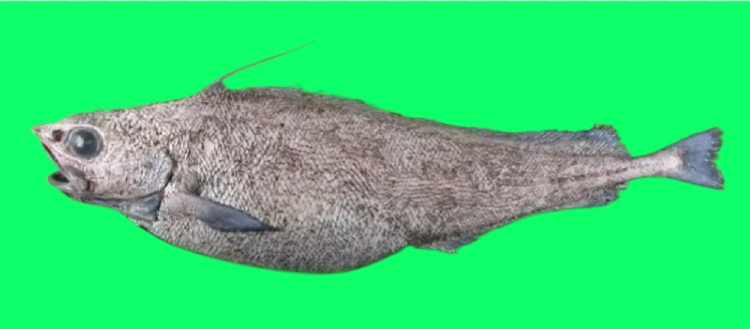
Blue antimora
Antimora rostrata
The body of Blue Antimora is elongated, spindle-shaped, slightly compressed at the sides in the caudal …
Guide to marine fish with sorting and selection options by family, feeding method, size, and other important characteristics.
Showing 1–12 of 12
Antimora rostrata
The body of Blue Antimora is elongated, spindle-shaped, slightly compressed at the sides in the caudal …
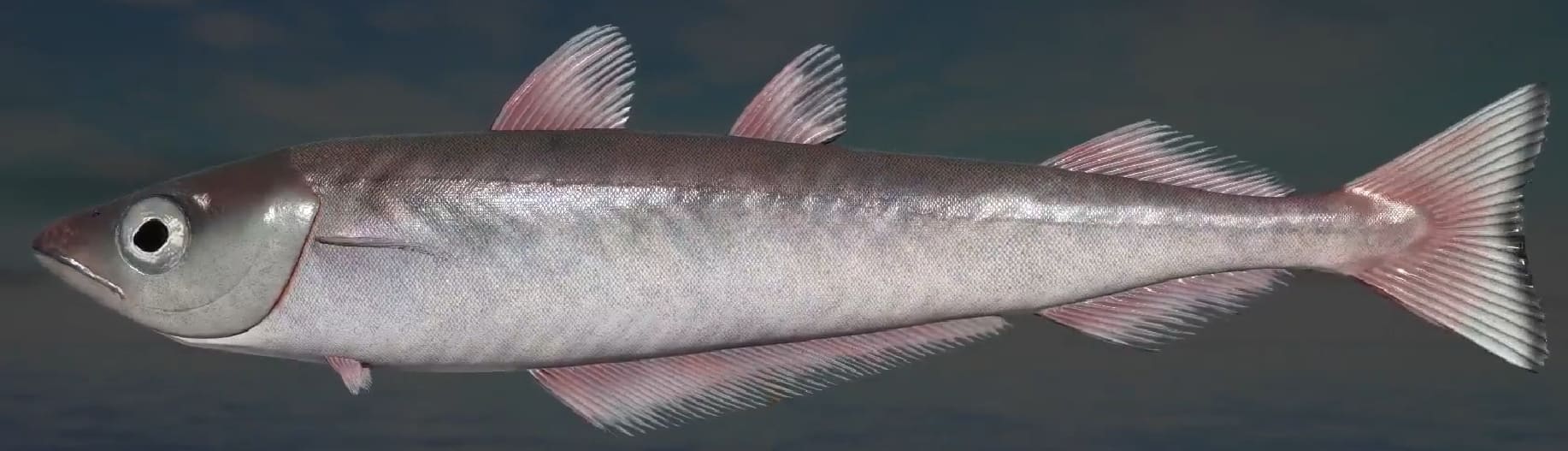
Micromesistius poutassou
The body is elongated and covered with very small, slightly falling cycloid scales. There is no …
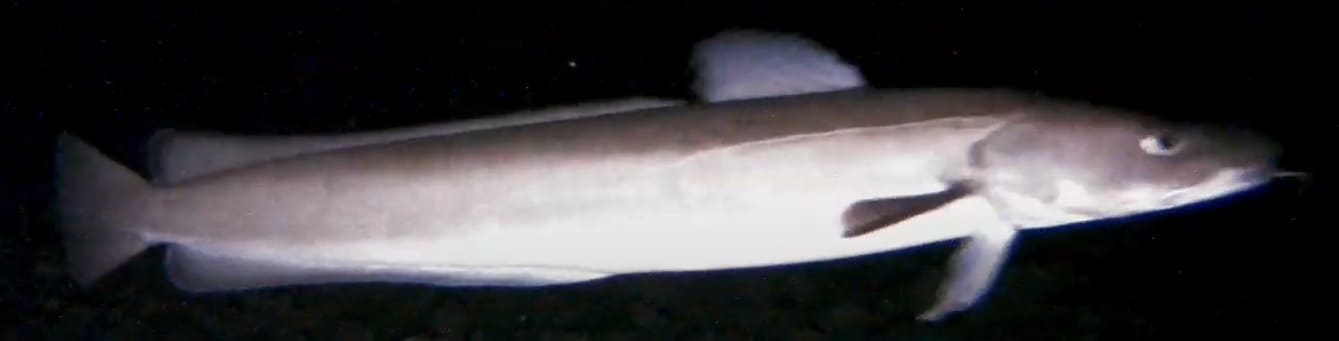
Molva molva
These fish have an elongated body and a long head large mouth, which has large teeth, …
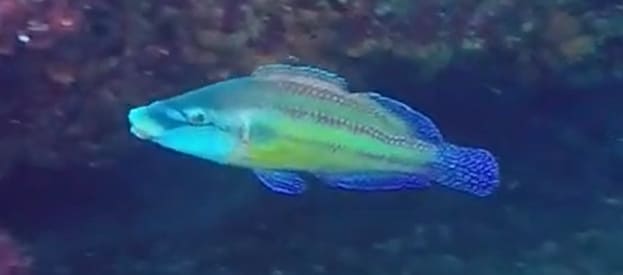
Symphodus tinca
The body is oval and flattened at the sides. The mouth is rather small, more or …
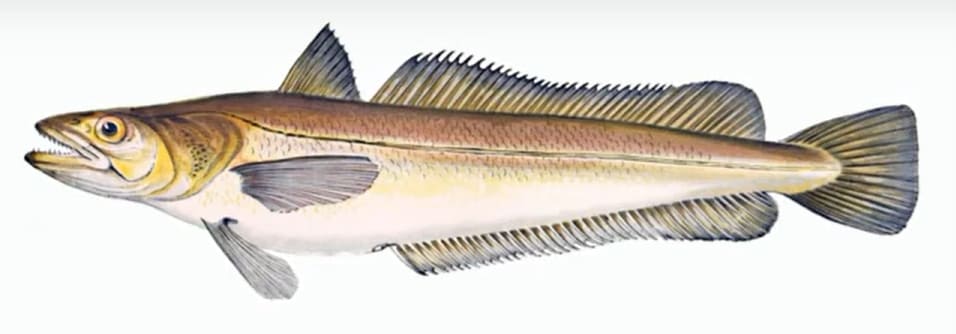
Merluccius merluccius
Body pronotal, moderately compressed at the sides, height 5,7-6,0 times less than body length. Head large, …
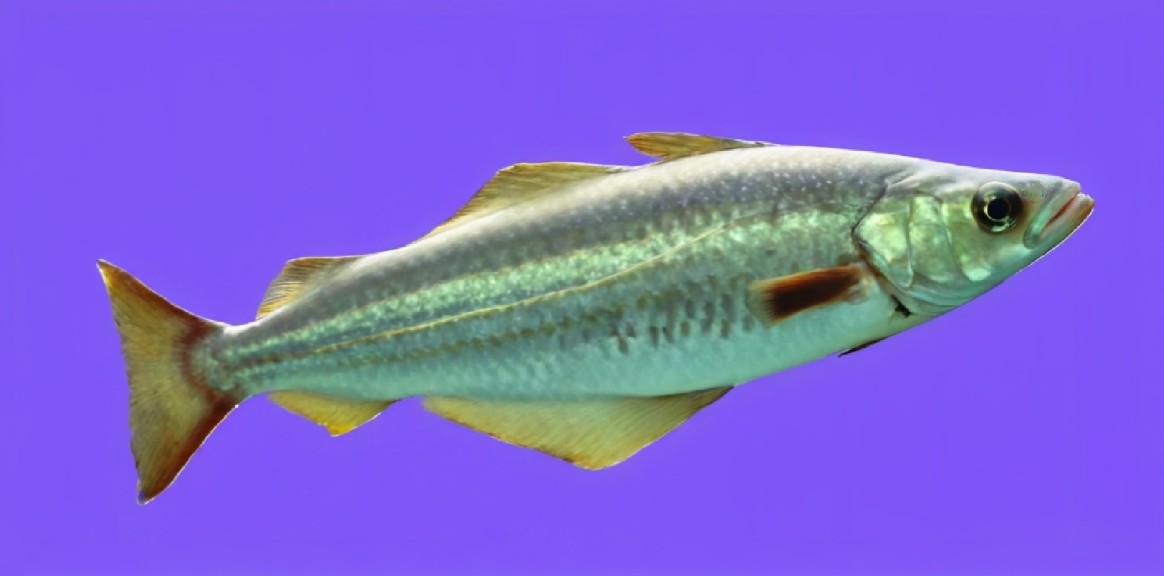
Pollachius pollachius
The European pollock is similar to the pollock. However, unlike its relative, the European pollock's lateral …
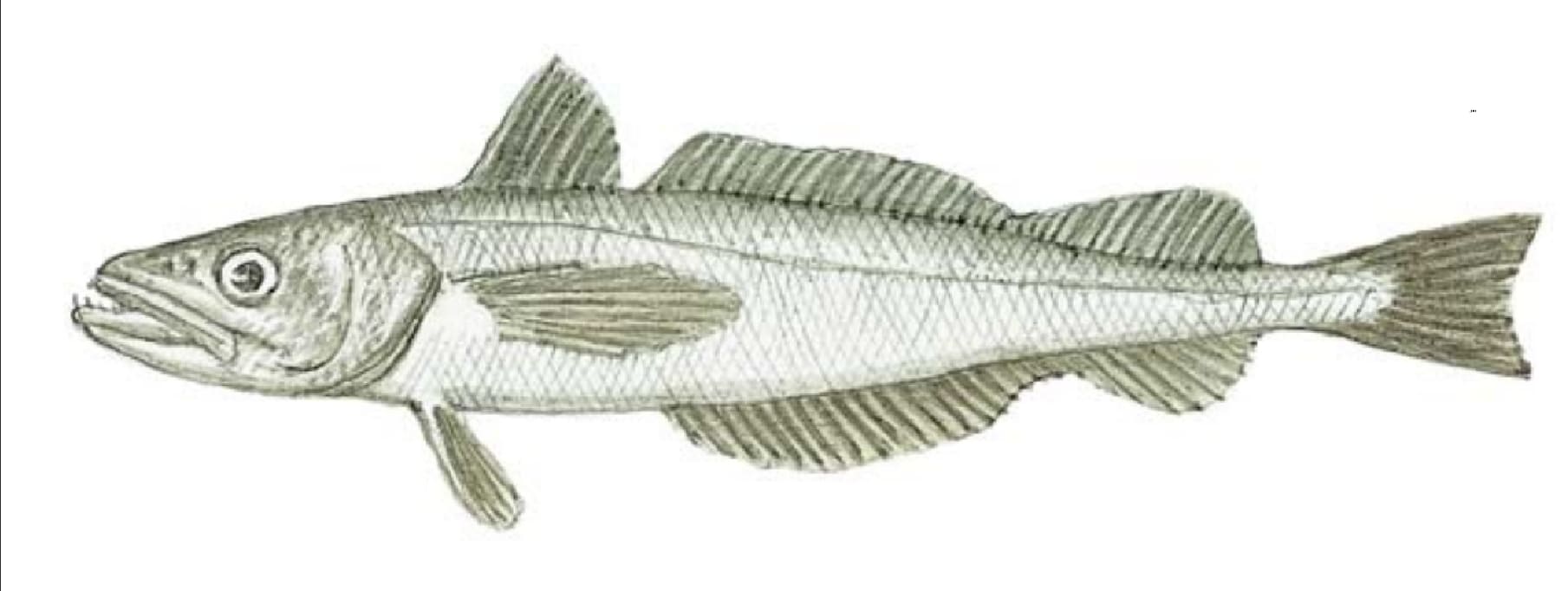
Merluccius productus
The body of the Pacific hake is elongated, slender, and moderately compressed. The head is elongated, …
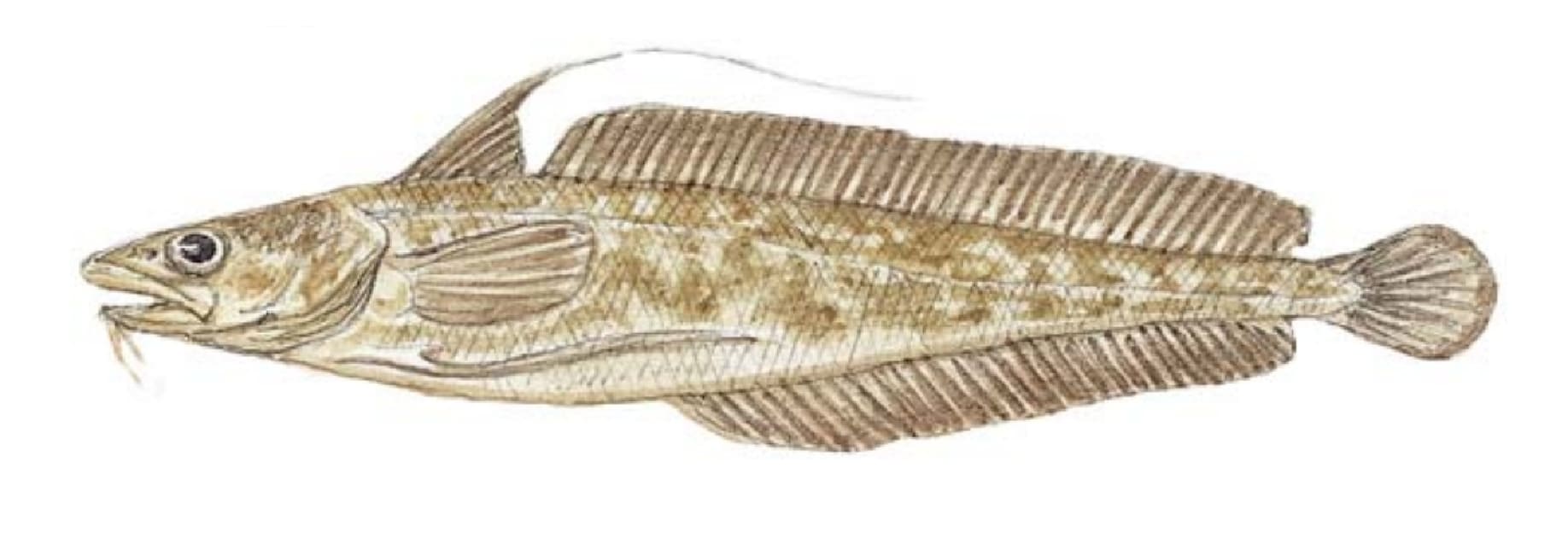
Urophycis chuss
The body of the red hake is elongated. The caudal fin is truncated. There is a …
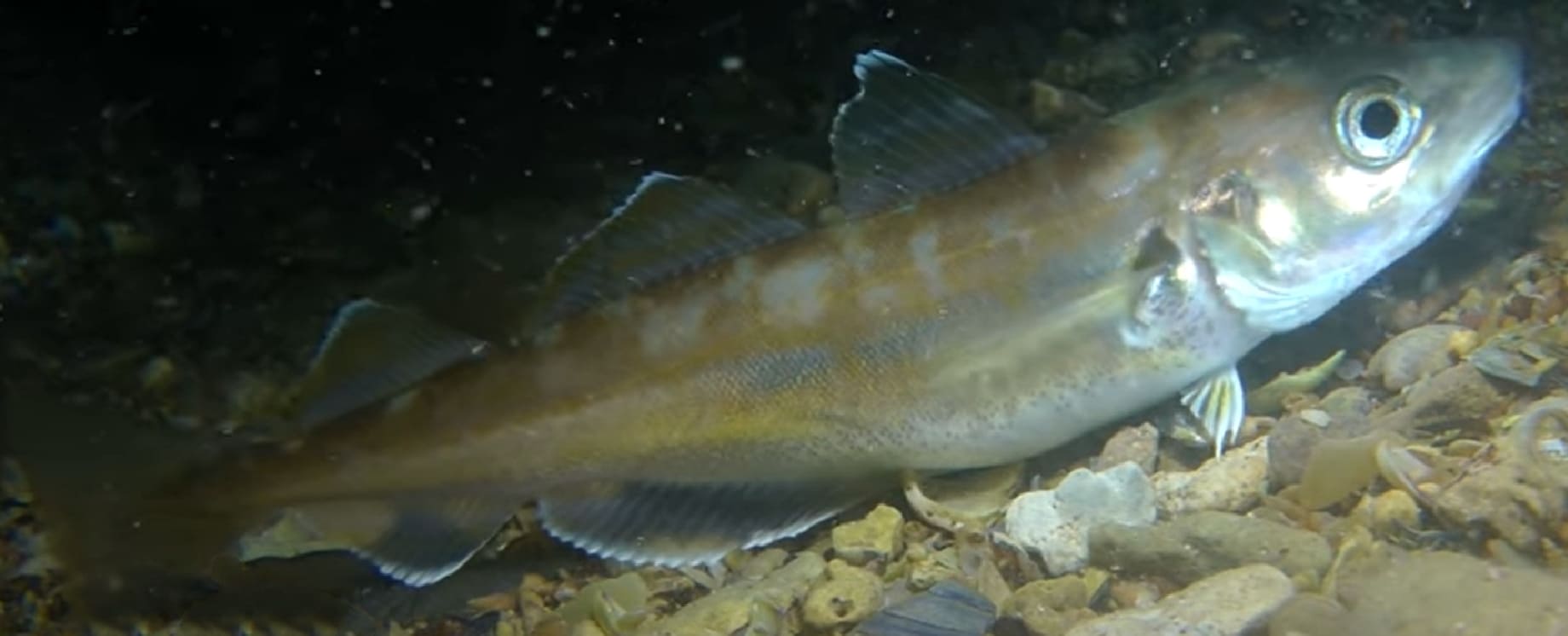
Merlangius merlangus
It has three dorsal fins separated by small slits. The third fin extends almost to the …
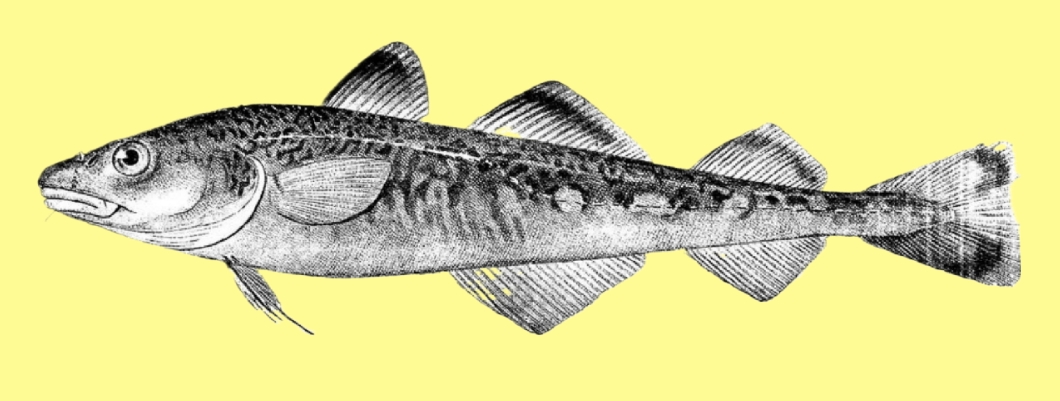
Eleginus nawaga
Eleginus nawaga is a close relative of E. gracilis, a related Pacific species.Navaga are characterized by …
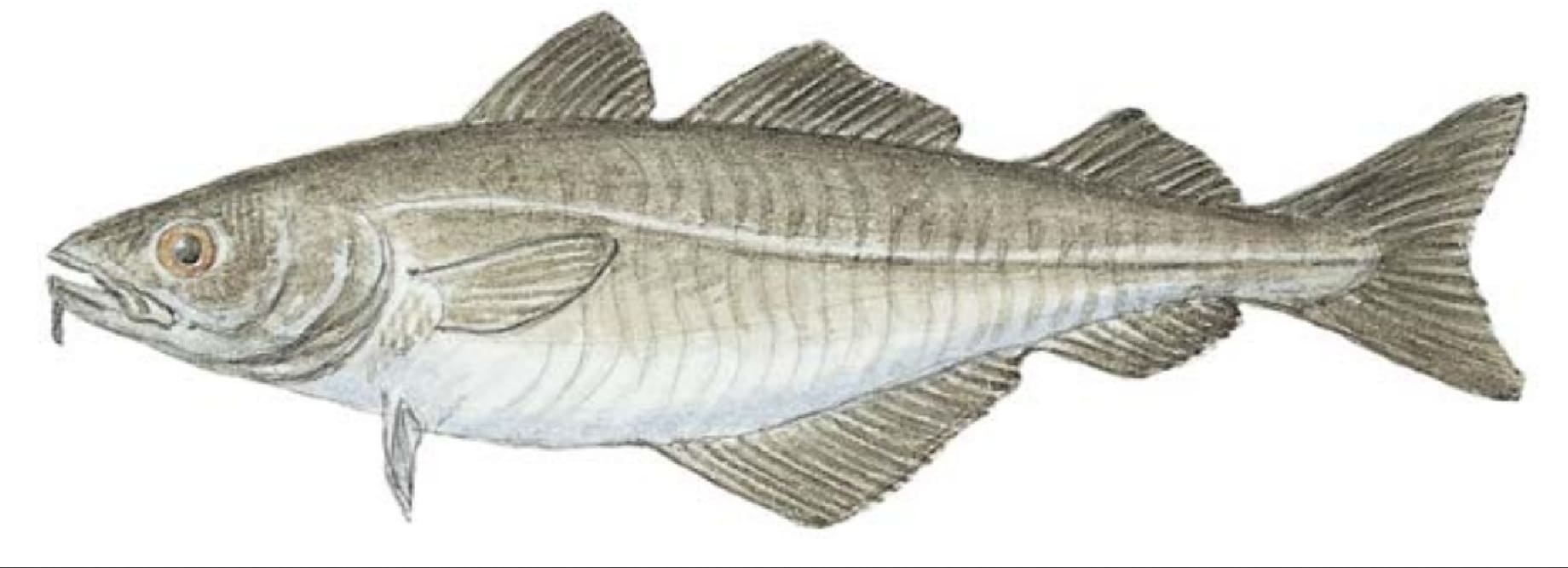
Pollachius virens
It has an olive-green or greenish-brown color on top and yellowish-gray on the sides and belly, …
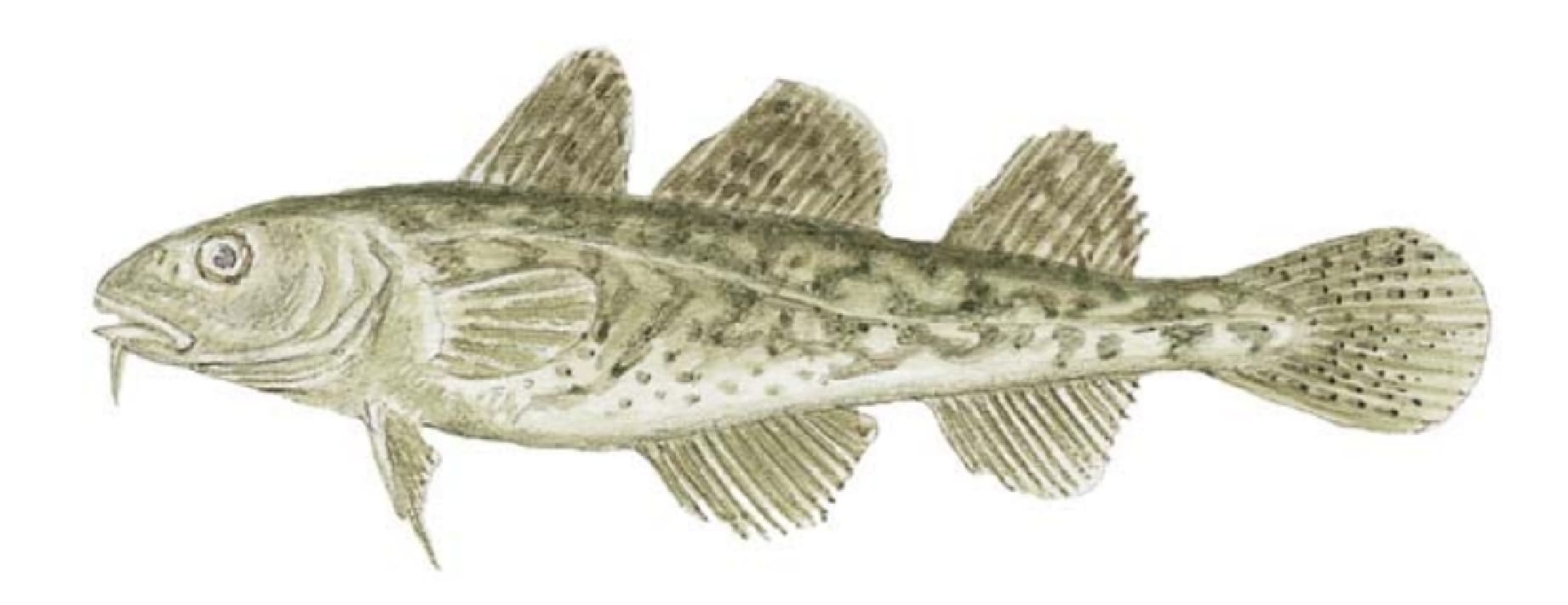
Microgadus tomcod
Characteristic of the cod family, the Atlantic tomcod has three dorsal and two anal fins, which …