 Allfishes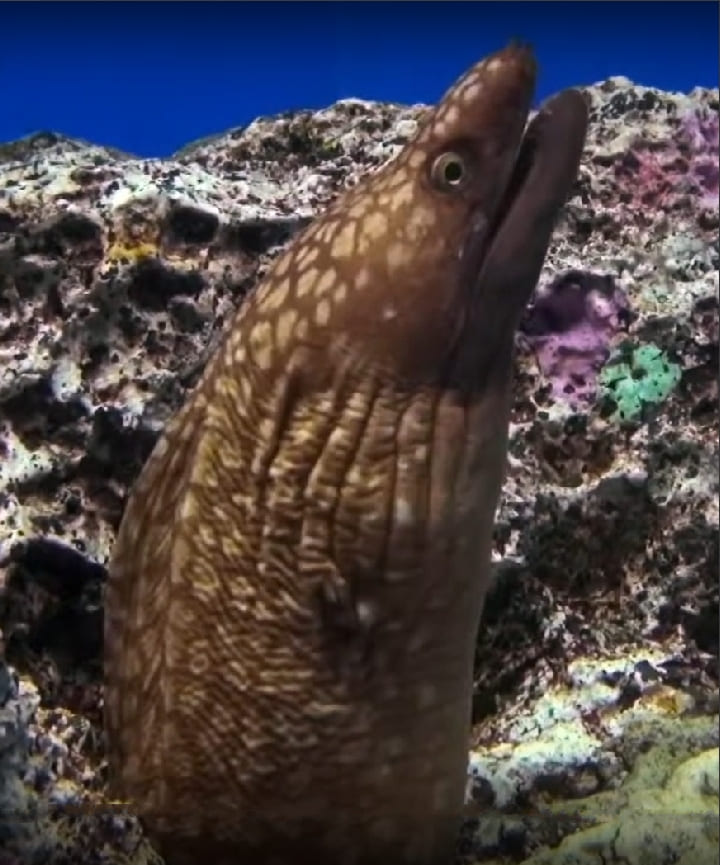
Australian mottled moray
Gymnothorax prionodon
The teeth of the Australian mottled moray are located on two pairs of jaws - the …
Guide to marine fish with sorting and selection options by family, feeding method, size, and other important characteristics.
Showing 1–12 of 12
Gymnothorax prionodon
The teeth of the Australian mottled moray are located on two pairs of jaws - the …
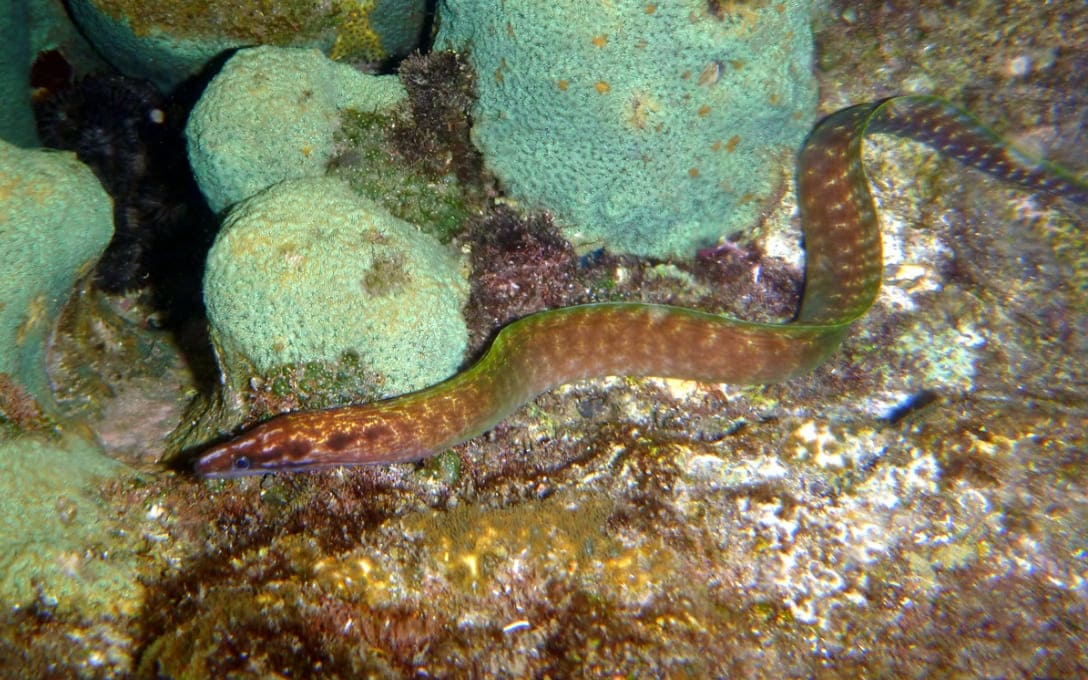
Gymnothorax margaritophorus
The species was first named by Pieter Bleeker in 1864.Have 126-143 vertebrae. Also characterized by depth …
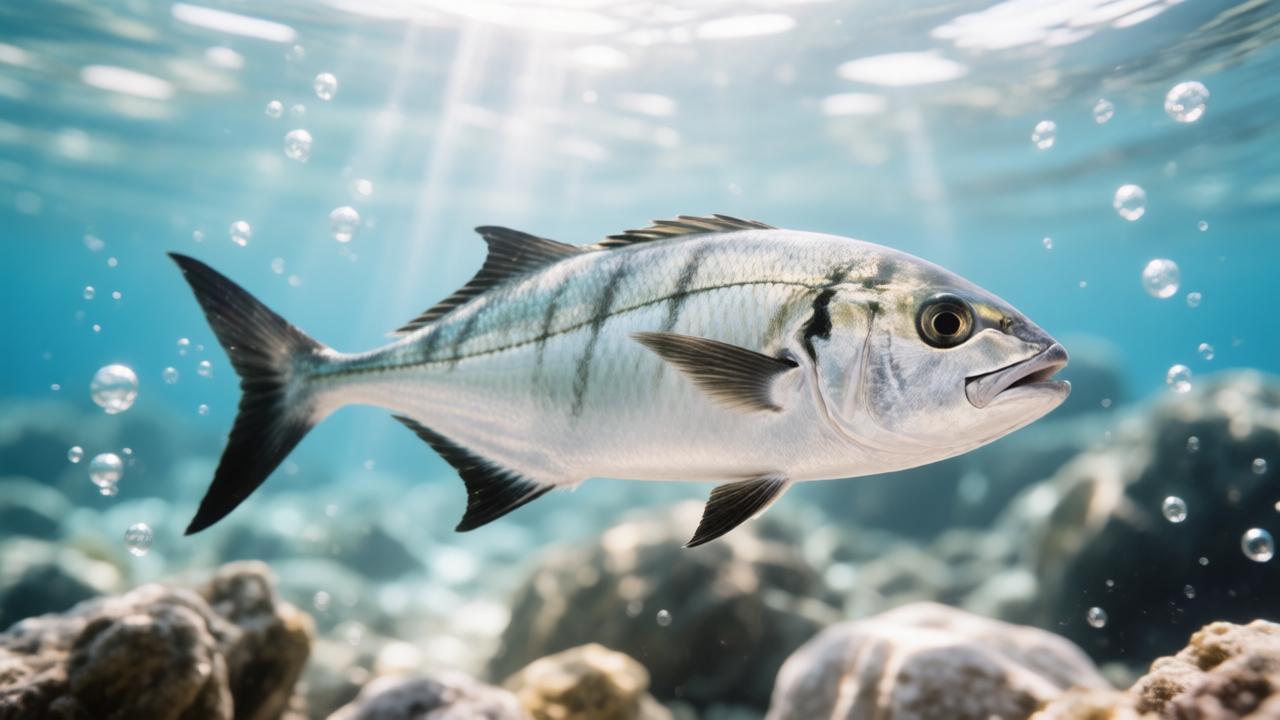
Trachurus trecae
The Cunene horse mackerel has a typical carangid streamlined body, adapted for fast swimming in the …
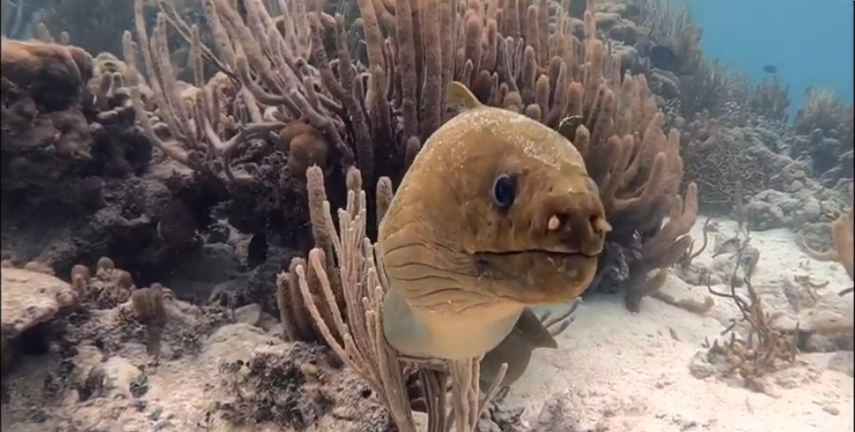
Gymnothorax funebris
The body of a typical moray eel is flattened from the sides, the pectoral fins are …
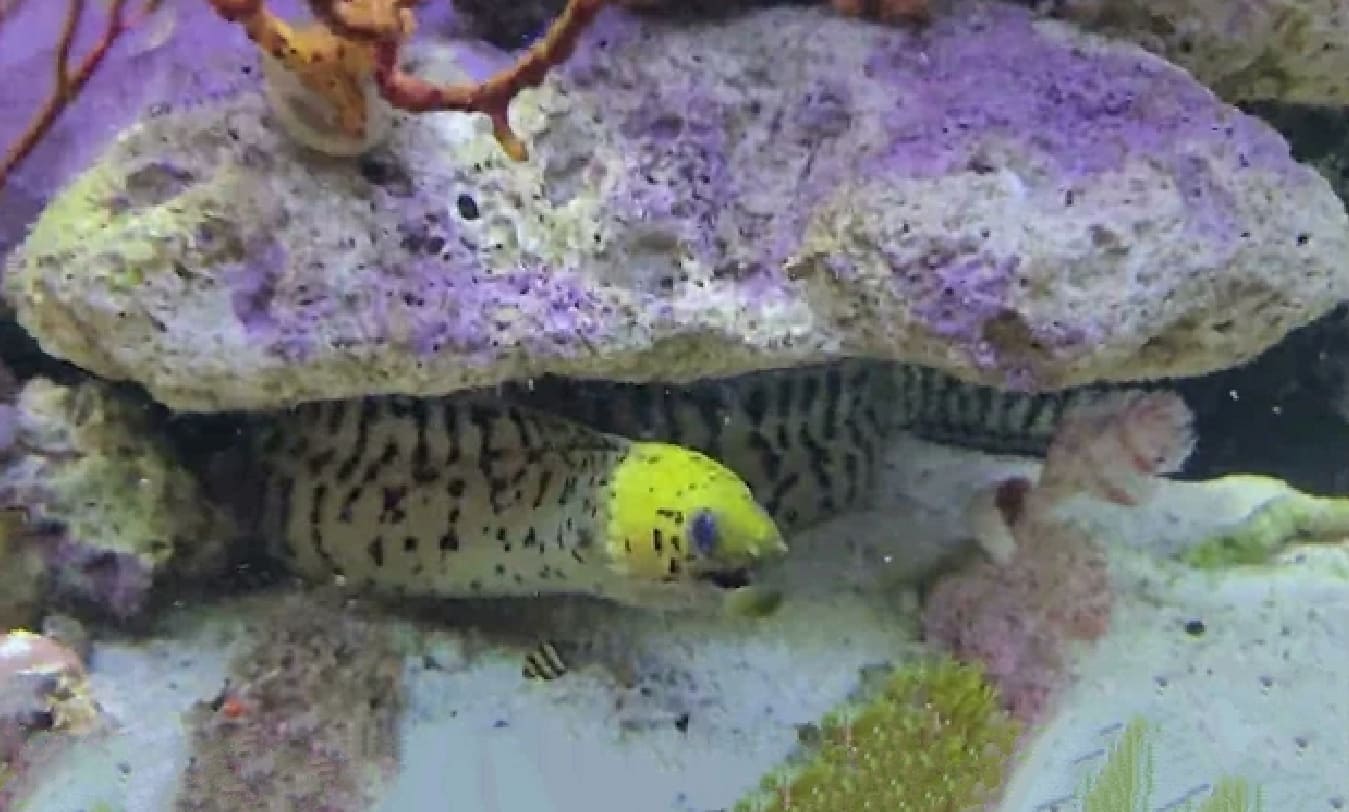
Gymnothorax fimbriatus
Fimbriated moray eels have a serpentine body and a pointed head. They have between 128 and …
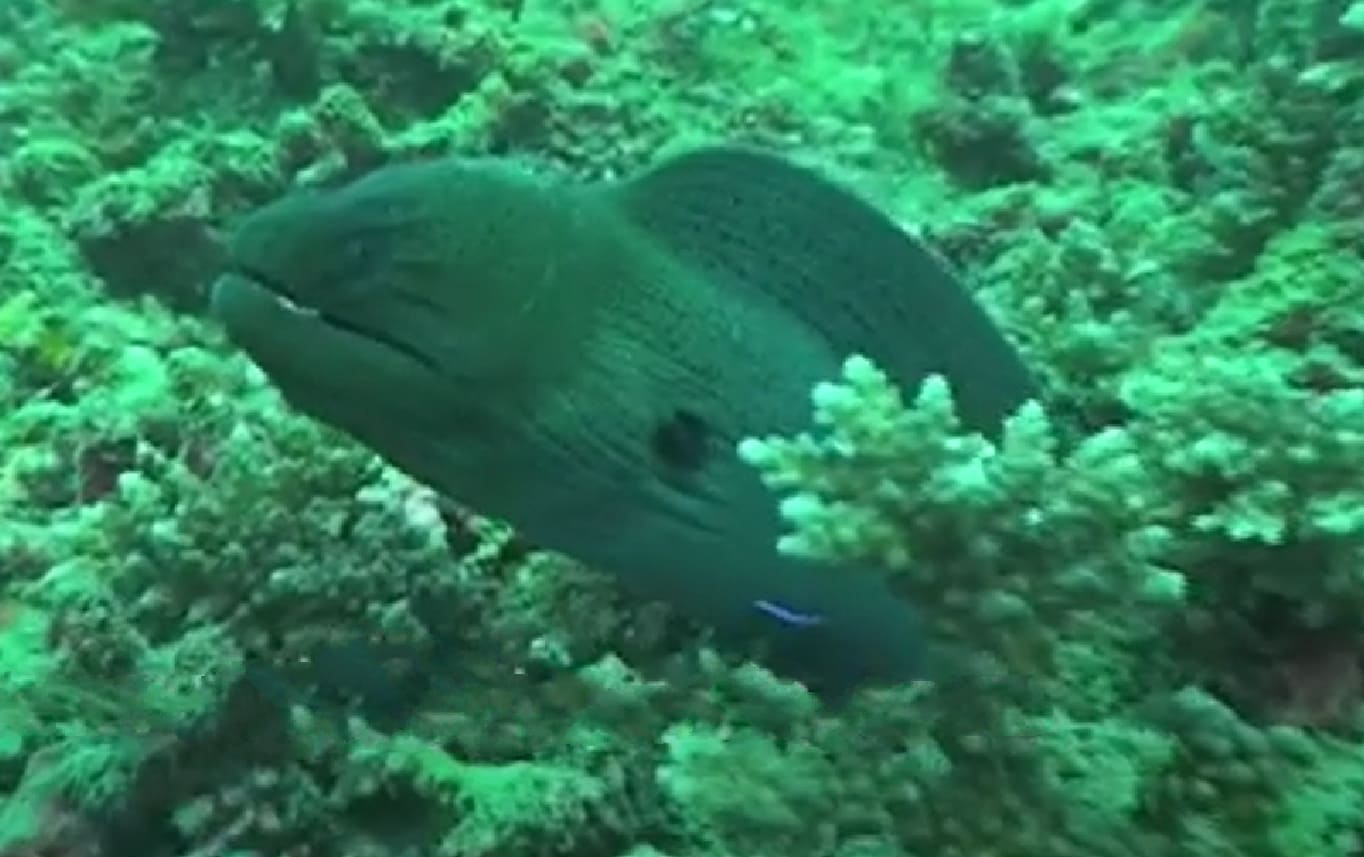
Gymnothorax javanicus
The body is compressed from the sides and covered with a layer of mucus, which allows …
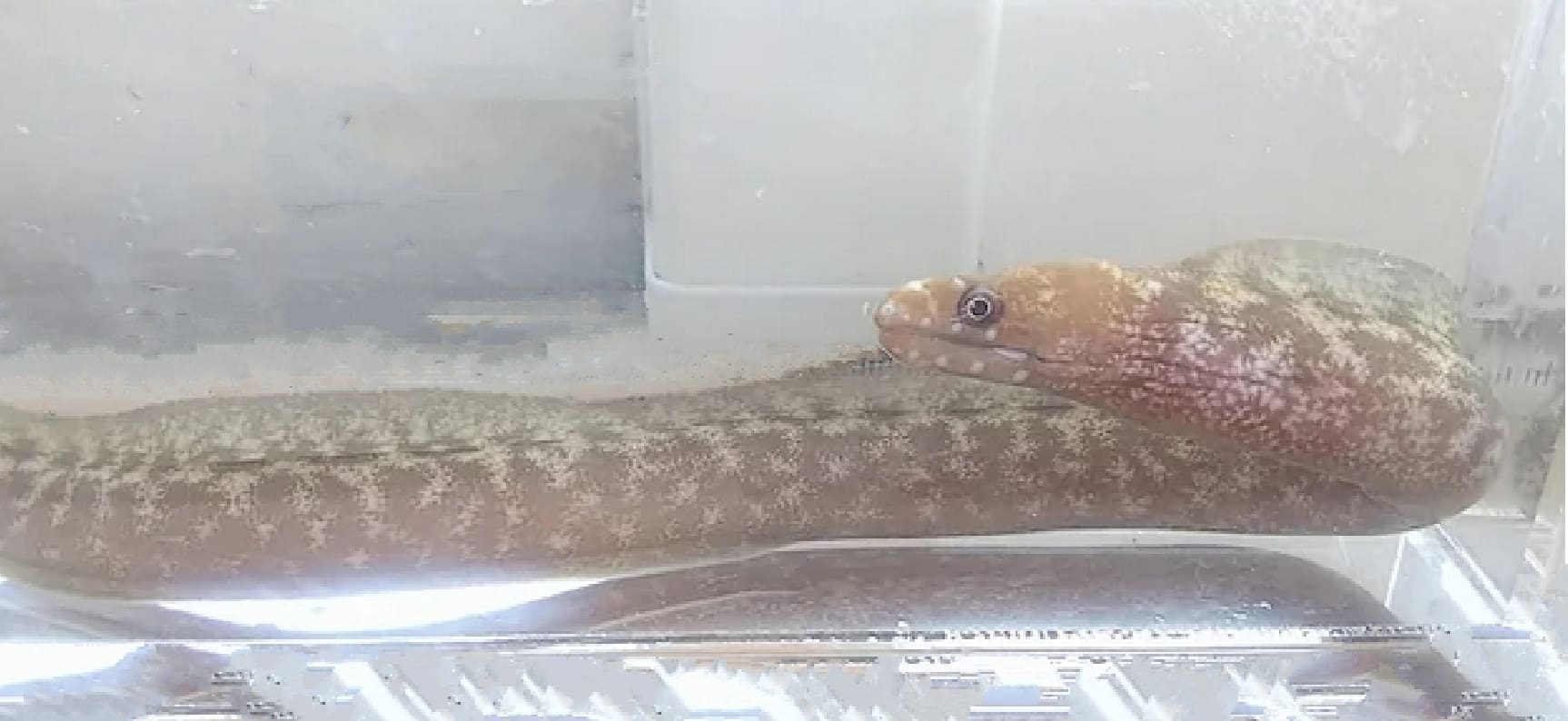
Gymnothorax chilospilus
The species was first named by Pieter Bleeker in 1864. Lipspot morays have 121-133 vertebrae.
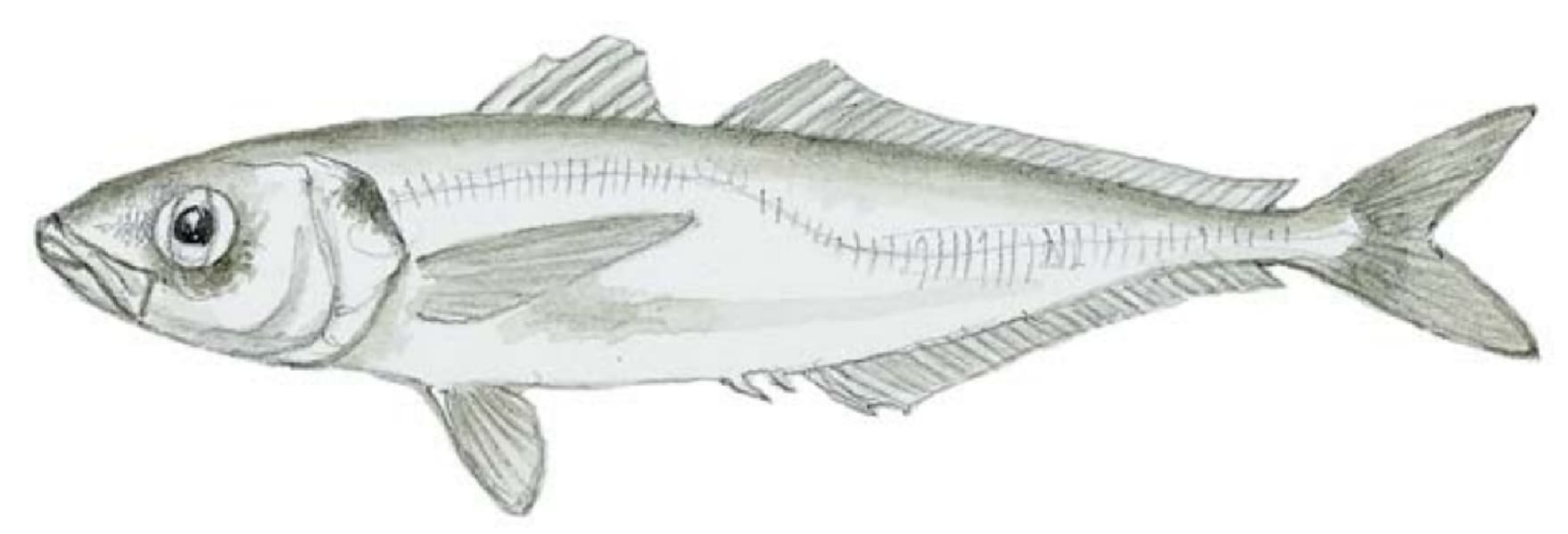
Trachurus symmetricus
The body of the Pacific horse mackerel is somewhat compressed and elongated, and the tail is …
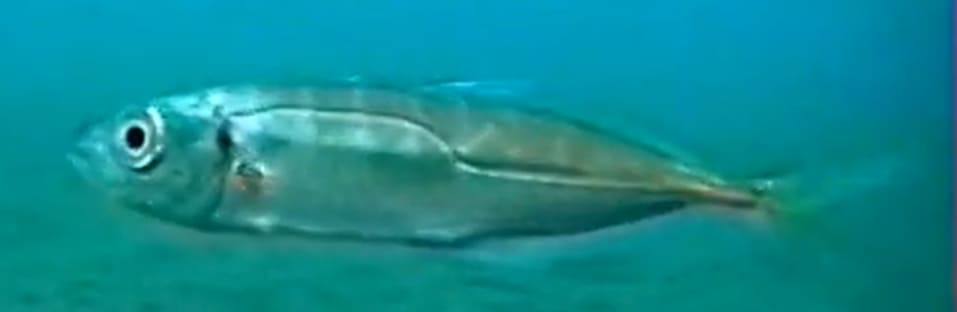
Trachurus mediterraneus
The body is relatively low, rounded; its greatest height is 16.8-24.0% of body length to the …
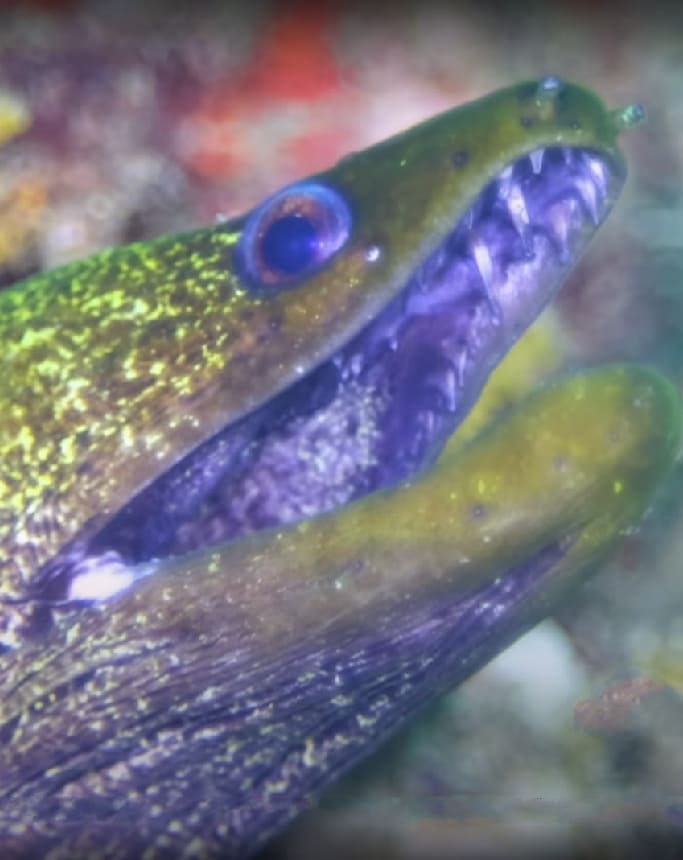
Gymnothorax undulatus
The body is elongated, without scales. The body height is 14-17 times the total body length. …
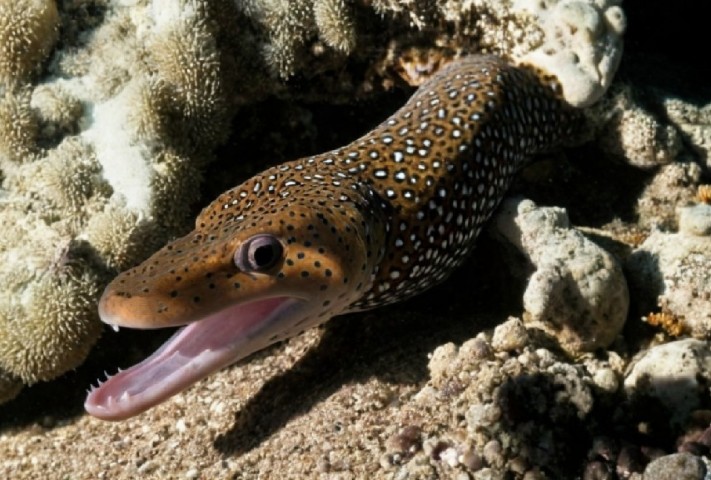
Gymnothorax johnsoni
Gymnothorax: Greek, gymnos = naked + Greek, thorax, -akos = breast. It was first named Smith …
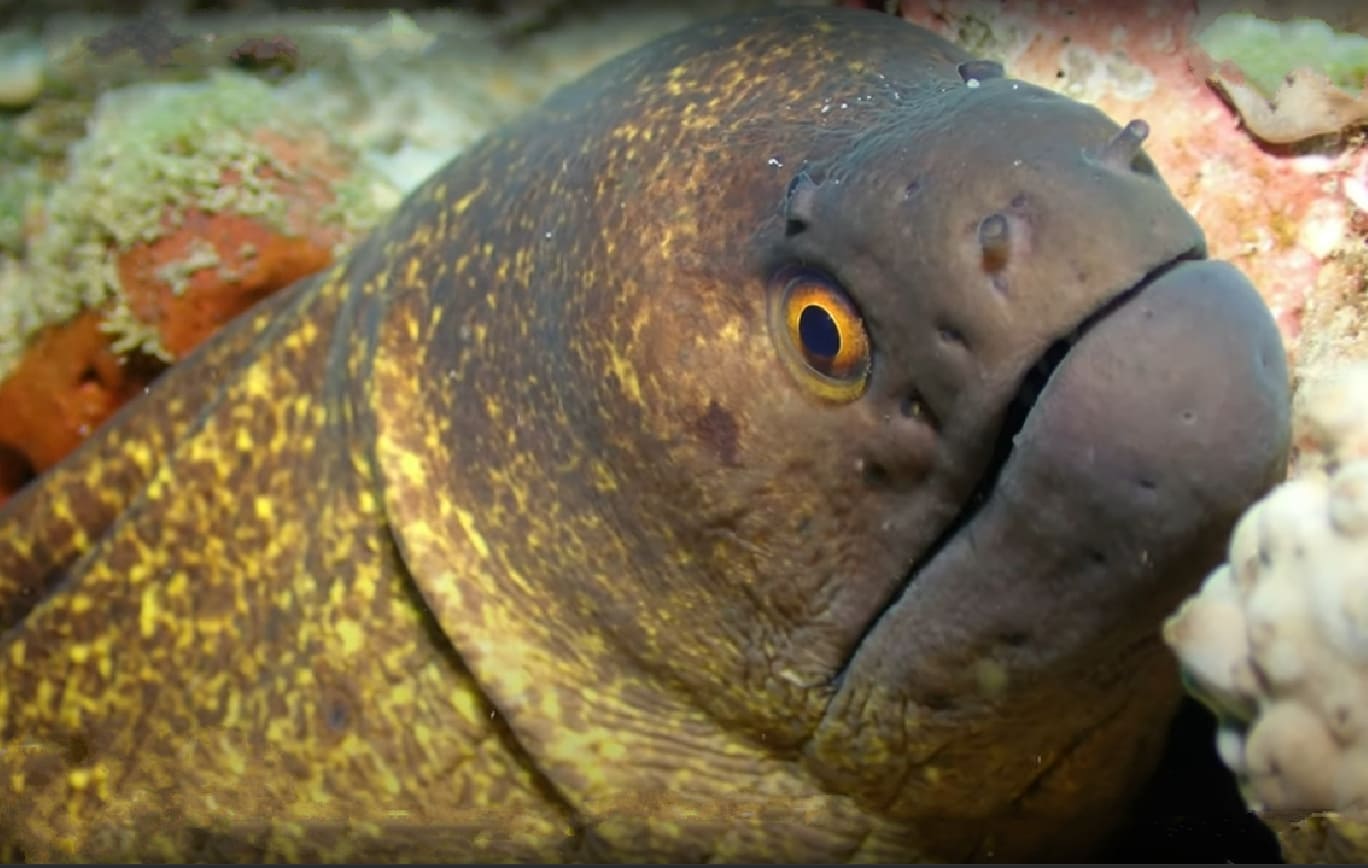
Gymnothorax flavimarginatus
The body of the yellow-edged moray is elongated, without scales. The body length is 15-17 times …