 Allfishes
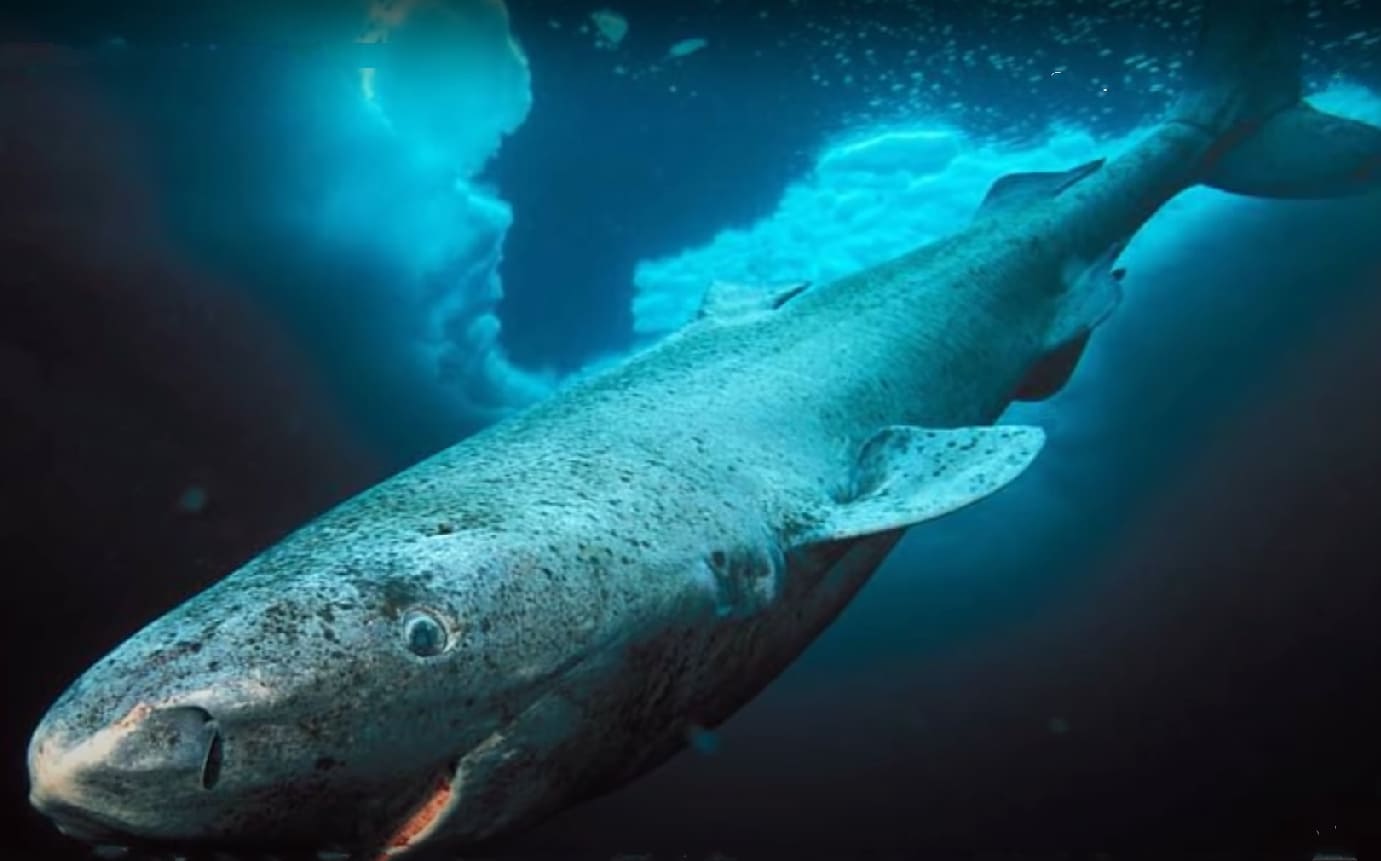
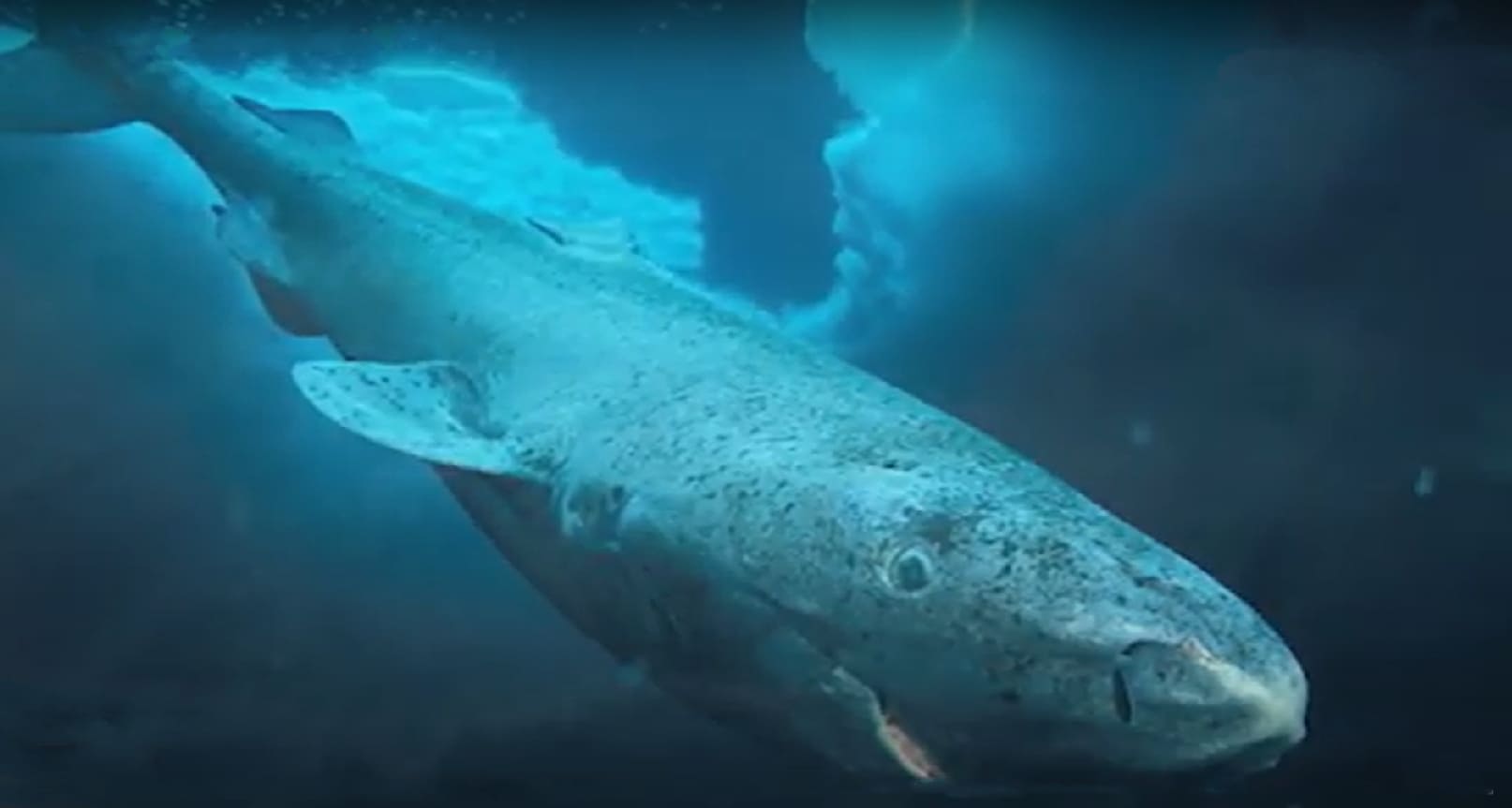
Southern Sleeper Shark (Somniosus antarcticus)
Southern sleeper shark, whitley's sleeper shark, Somniosus antarcticus
Latin name
Somniosus antarcticus
Other names
Southern sleeper shark, whitley's sleeper shark, Somniosus antarcticus
Identification
The number of vertebrae is 36-38. They differ from Pacific sleeper shark in that the distance between dorsal fins is about 80% of the distance between the tip of the snout and gills (vs. 70%), the height of the first dorsal fin is about 3% of the precaudal distance (vs. 3, 7 %), and the height of the second dorsal fin is 2.9 % (vs. 3.4 %), respectively, the number of coils of the intestinal valve is 36-41, averaging 39 (vs. 32-37, averaging 33), and the number of vertebrae in the trunk is 30-31 (vs. 28-30).
Sailing speed
In their normal state, sharks swim at a speed of about 1.5-2 km/h. When they try to exert themselves, they can swim up to 2.5-2.7 km/h.
Distribution
They live in the South Pacific, Indian and Atlantic Oceans off the coasts of Australia, New Zealand and South Africa.
Habitat
These sharks are found near the bottom on the continental and island shelves and in the upper part at depths of 485 to 1,150 metres. In winter it moves to the surf zone - the surface waters where it is warmer than at depth. In the summer, the predator swims back to a reasonable depth.
Size
The maximum recorded size is 438 cm.
Life history and Behavior
Breeds in spring by laying oval eggs on the bottom in deep water.
Food and feeding habits
Off the coast of Tasmania and Macquarie Island, the stomachs of these sharks contained 80% cephalopods, 47% fish, 33% marine mammals, 7% birds and 13% other prey.
Reproduction
They reproduce by oviposition. The size of newborns is about 40 cm.