 Allfishes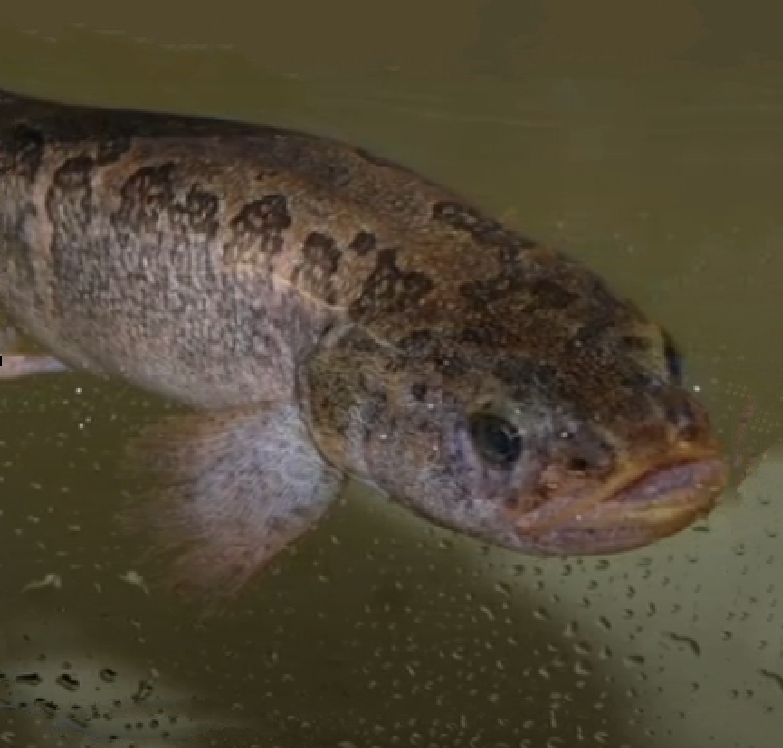
Alaska blackfish
Dallia pectoralis
The Alaska blackfish can be identified by its short, flattened snout, the posterior position of the …
Freshwater fish spend part or all of their lives in fresh water, such as rivers and lakes, with a salinity of less than 1.05%.
Showing 1–14 of 14
Dallia pectoralis
The Alaska blackfish can be identified by its short, flattened snout, the posterior position of the …
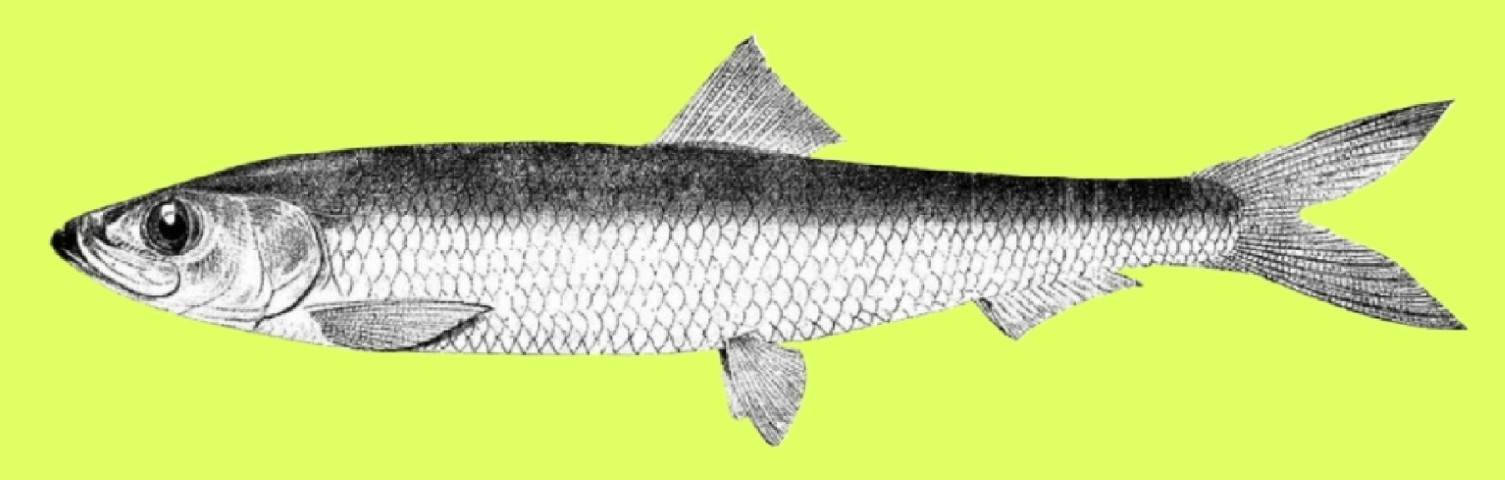
Clupea pallasi suworowi
The abdominal keel scales of the Chosa herring are developed only behind the base of the …
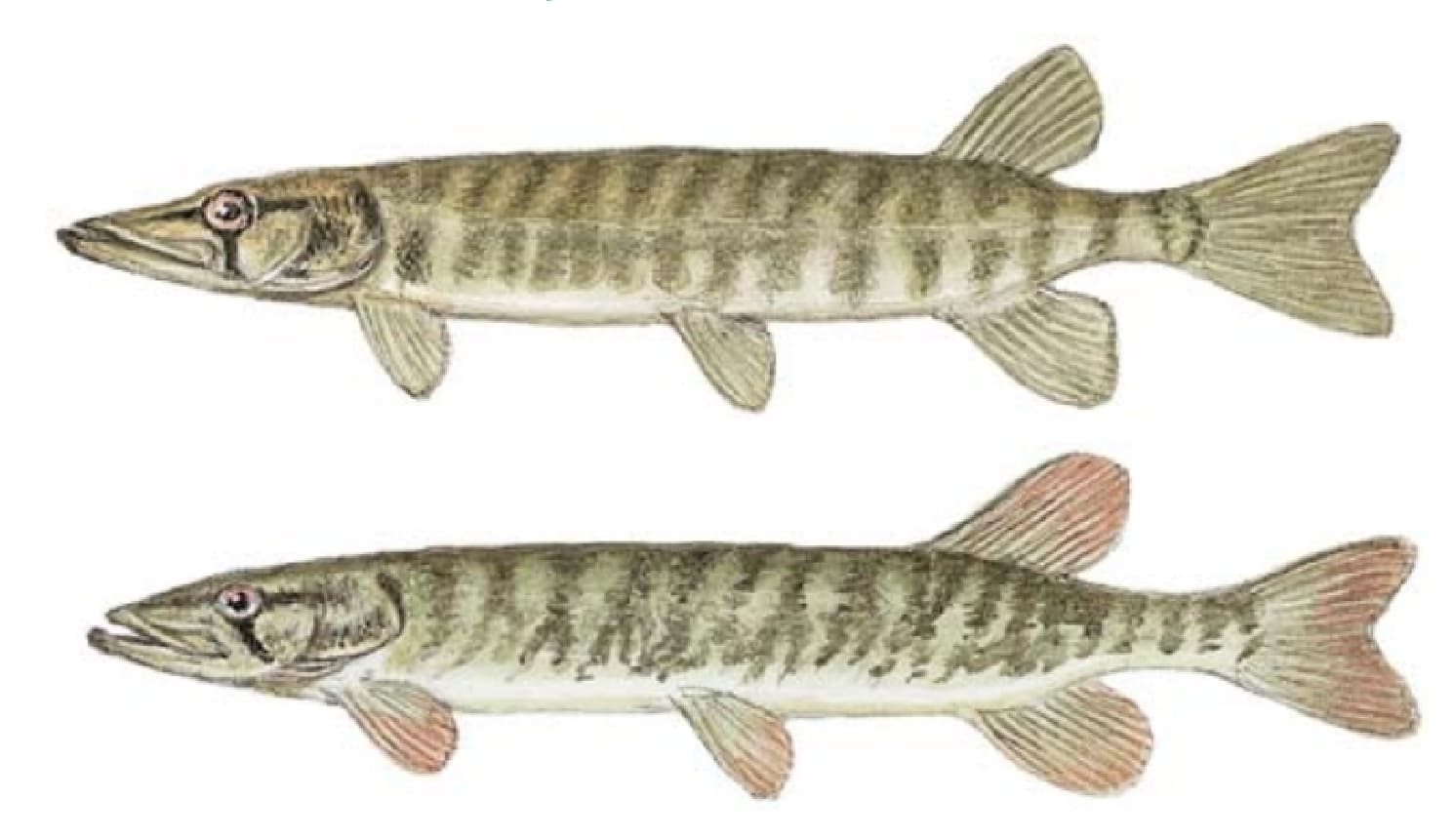
Esox americanus vermiculatus, Esox americanus americanus
Thin and cylindrical, grass and redfin pickerel look very similar to chain pickerel, with the same …
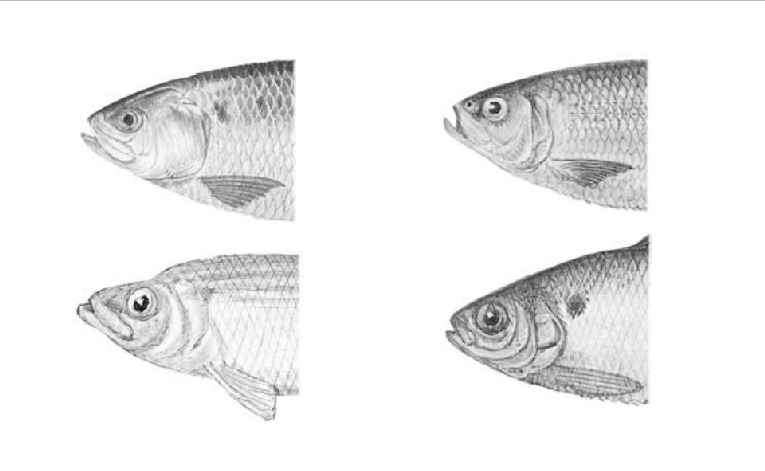
Clupea
Body compressed from the sides, with jagged edge of abdomen. Scales moderate or large, rarely small. …
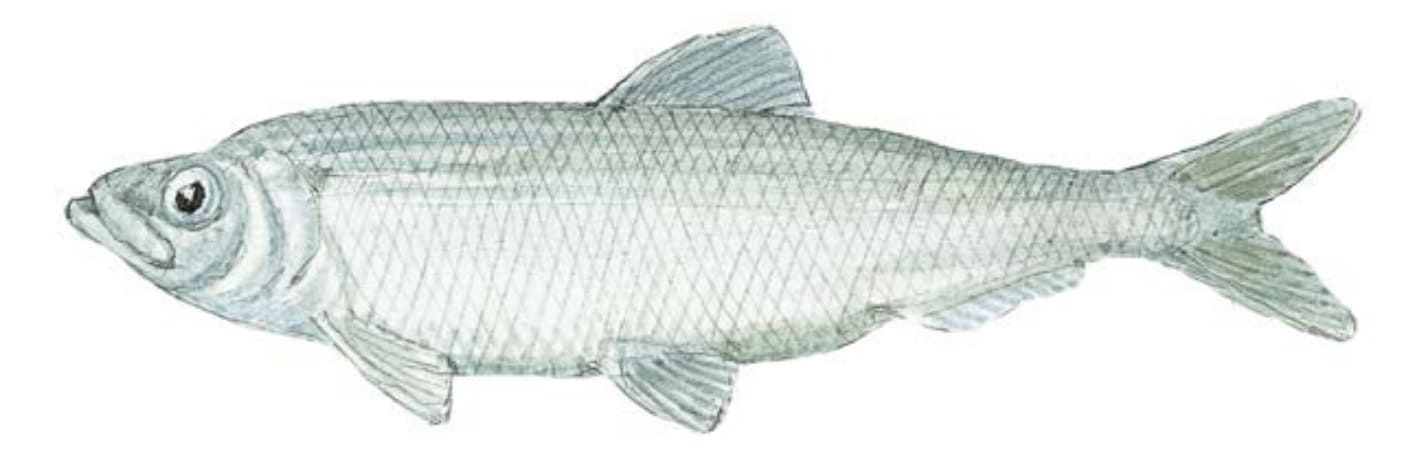
Clupea harengus
The body is not high (its height is about 1/5 of body length). Head is comparatively …
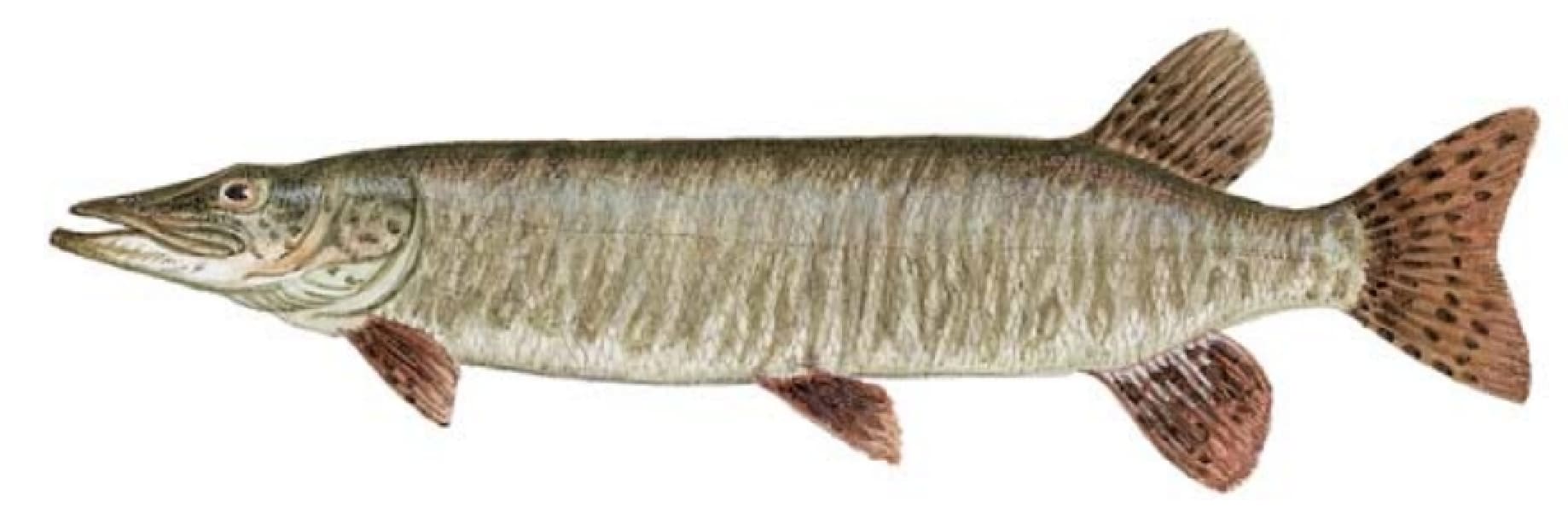
Esox masquinongy
The muskellunge has an arrow-shaped body, long and smooth. The single dorsal fin with soft rays …
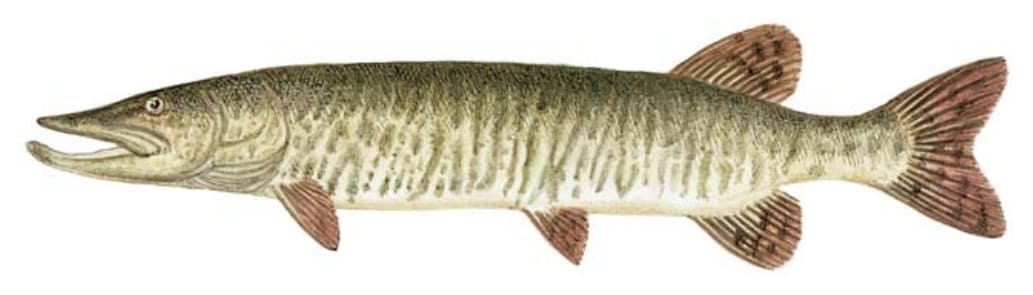
Esox masquinongy x Esox lucius
Tiger muskellunge was thought to be a separate species until scientists were able to cross northern …
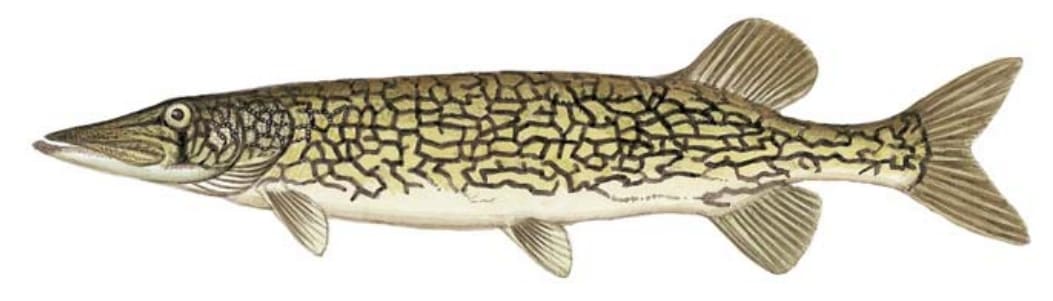
Esox niger
With its long, slender body, chain pickerel resembles northern pike and muskellunge, especially when young. It …
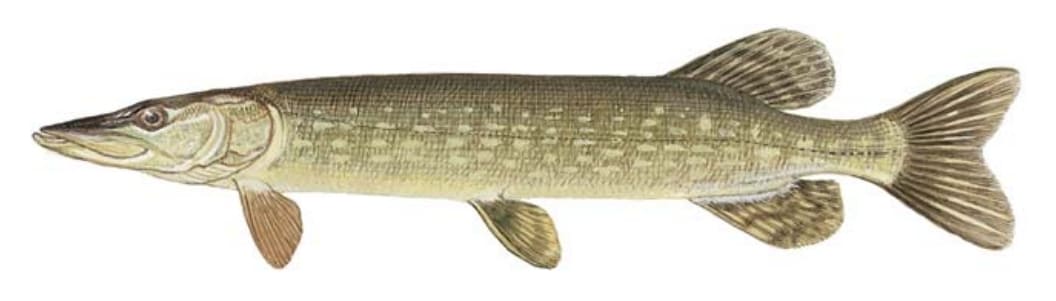
Esox lucius
The northern pike has an elongated body and head. The snout is broad and flat, resembling …
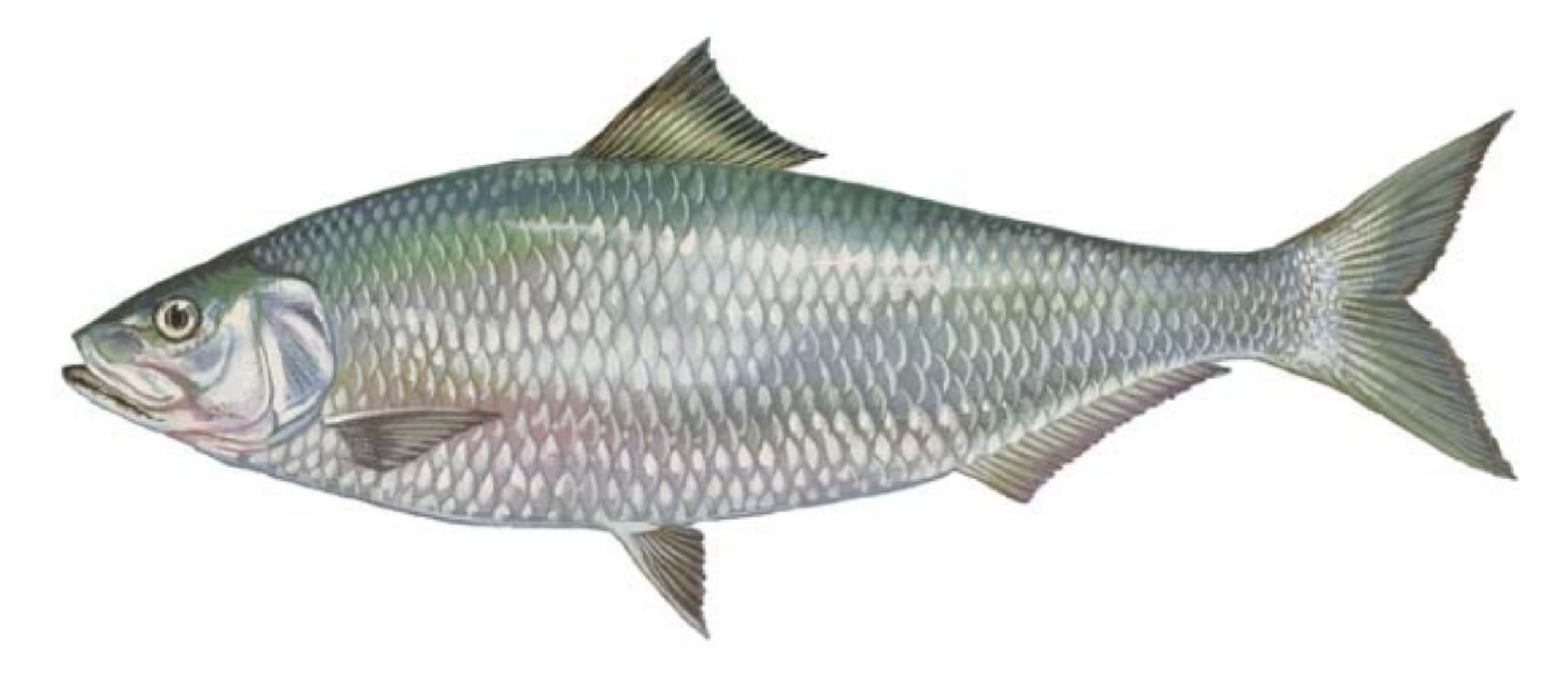
Alosa alabamae
It has a large terminal mouth with upper and lower jaws of almost equal length. The …
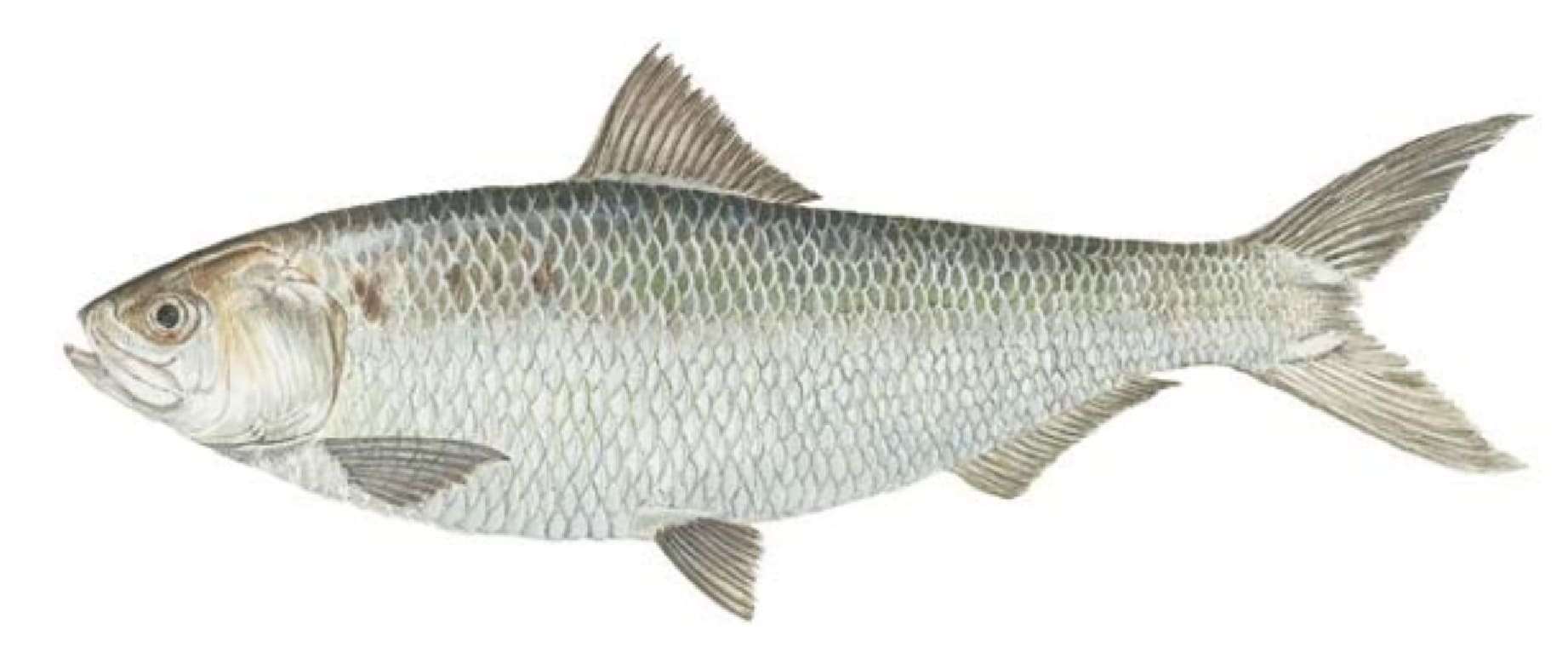
Alosa sapidissima
The laterally compressed, rather deep body of the American shad is silvery white, with some amount …
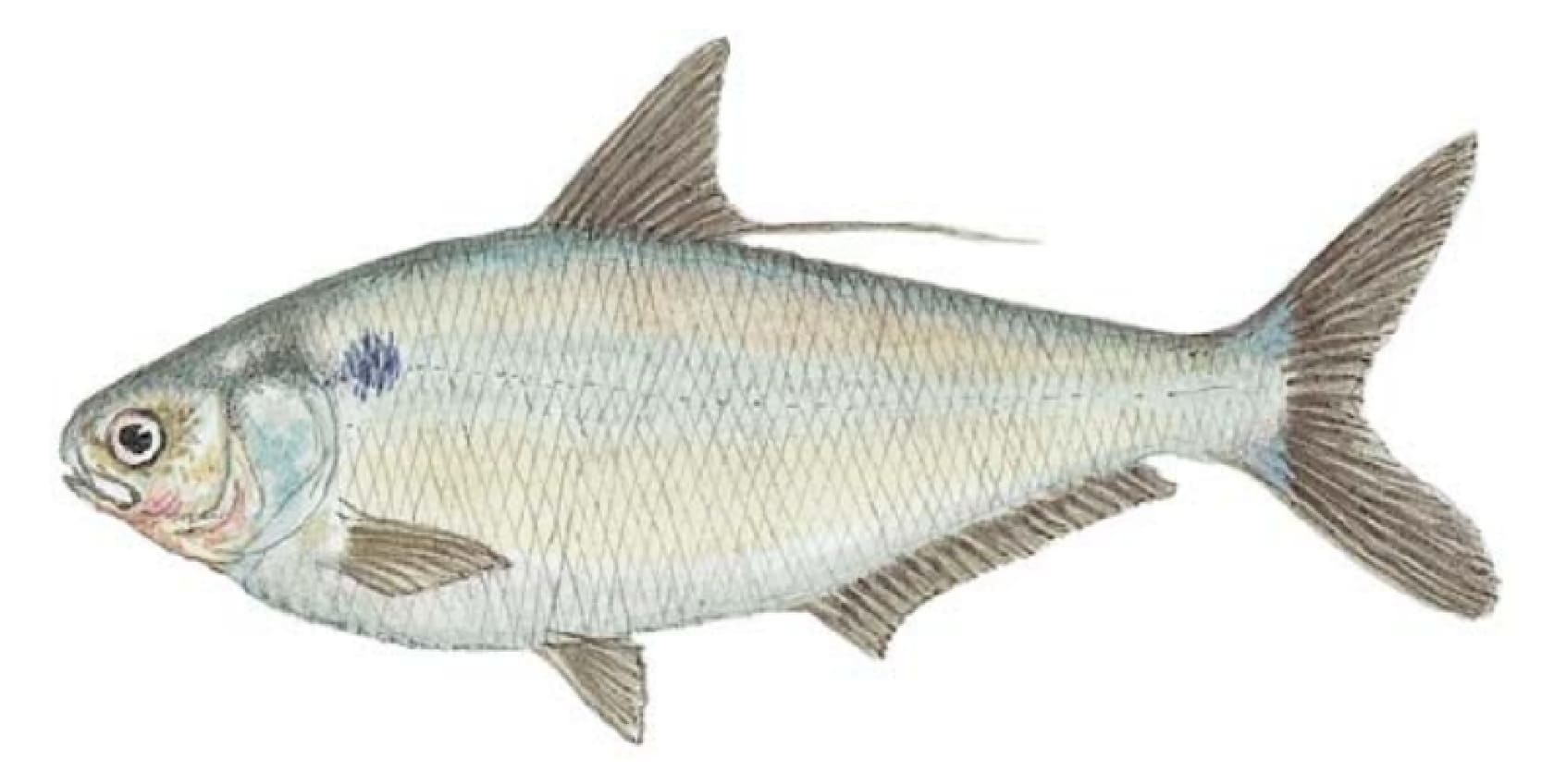
Dorosoma cepedianum
The gizzard shad is one of two freshwater members of the herring family that has a …
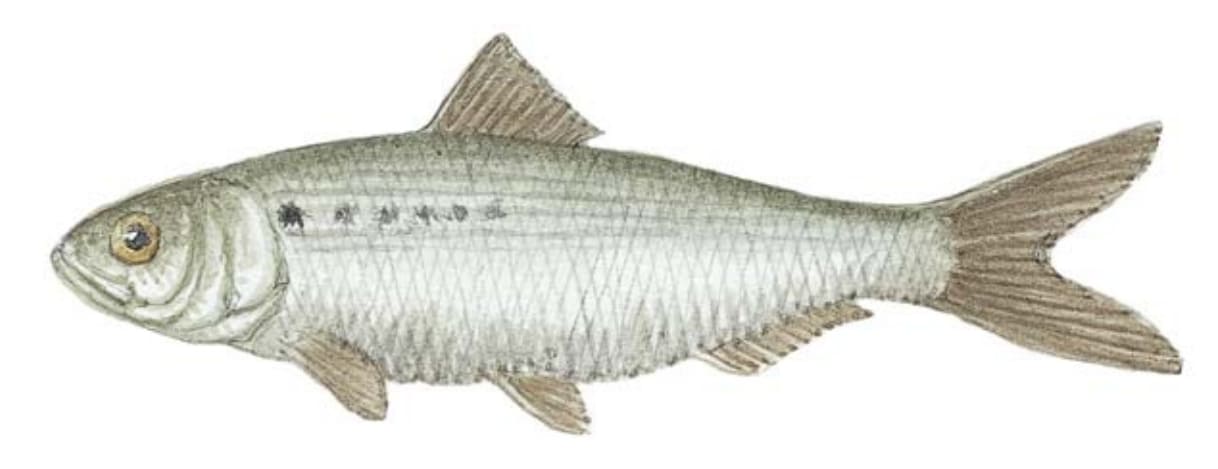
Alosa mediocris
Gray-green on the back and transitioning to silver on the sides, the hickory shad has transparent …
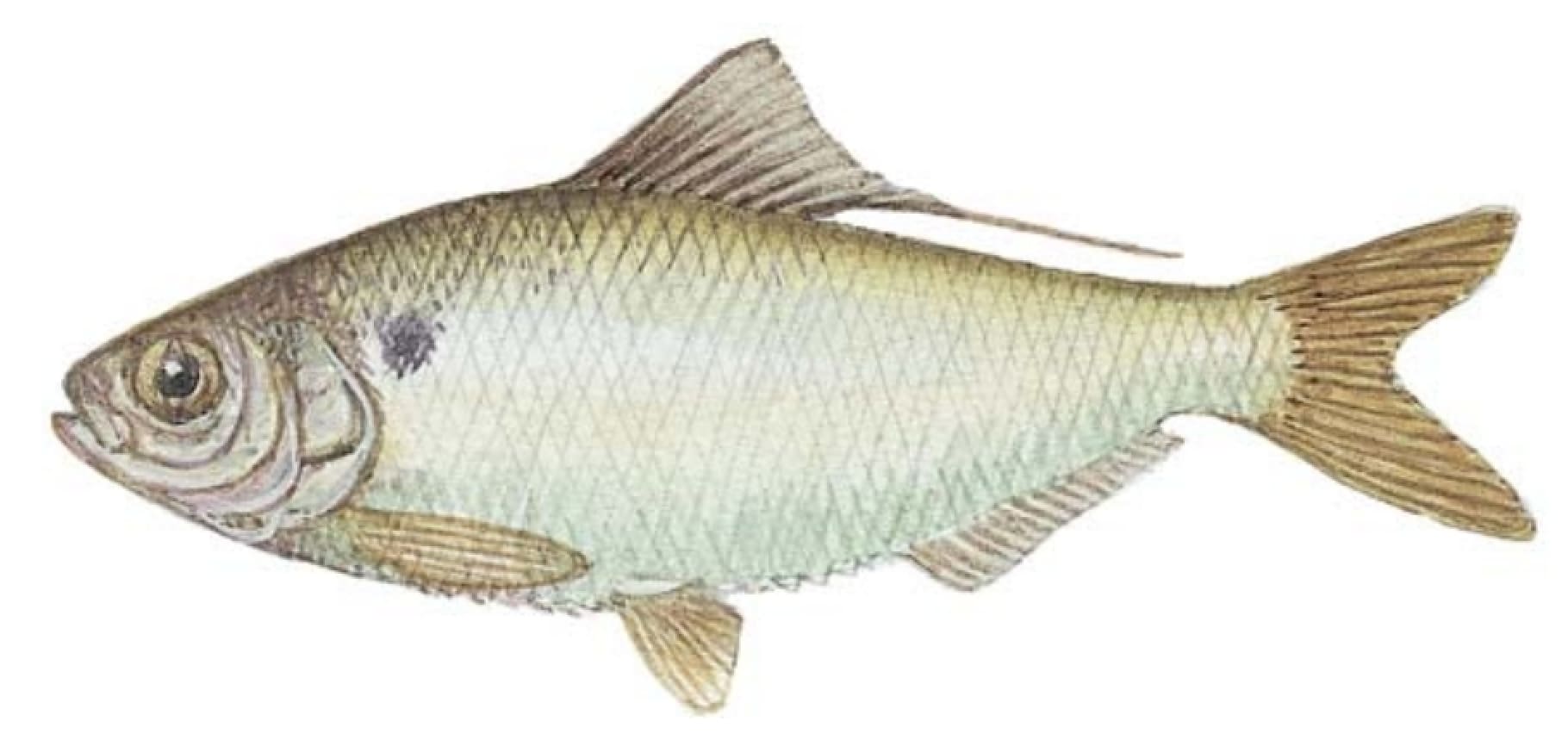
Dorosoma petenense
The threadfin shad has a silvery color and a deeply compressed body, most easily recognized by …