 Allfishes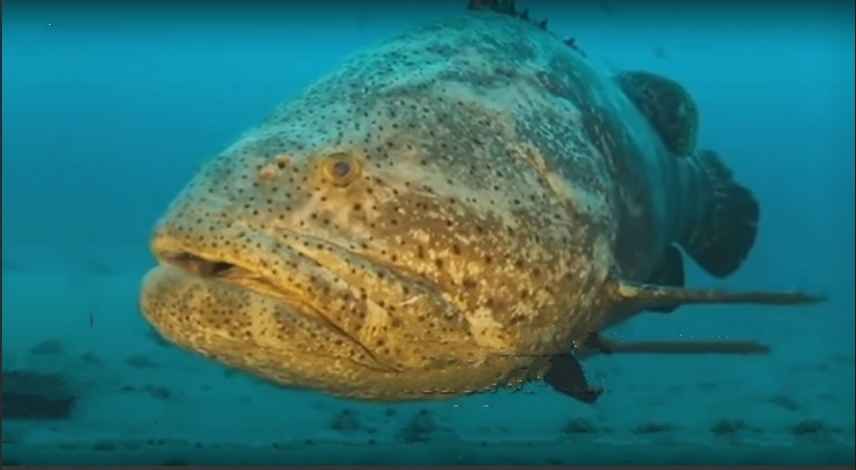
Grouper, Goliath
Epinephelus itajara
Goliath grouper are yellowish-brown to olive-green or brown. The entire body, including the head and fins, …
The Caribbean Sea area belongs to the Caribbean region according to the faunal zonation. The region has a high biodiversity, with many species being endemic. The marine fauna of the region is derived from representatives of the Indian and Pacific Oceans, which entered the Caribbean Sea before the formation of the Isthmus of Panama about 4 million years ago.
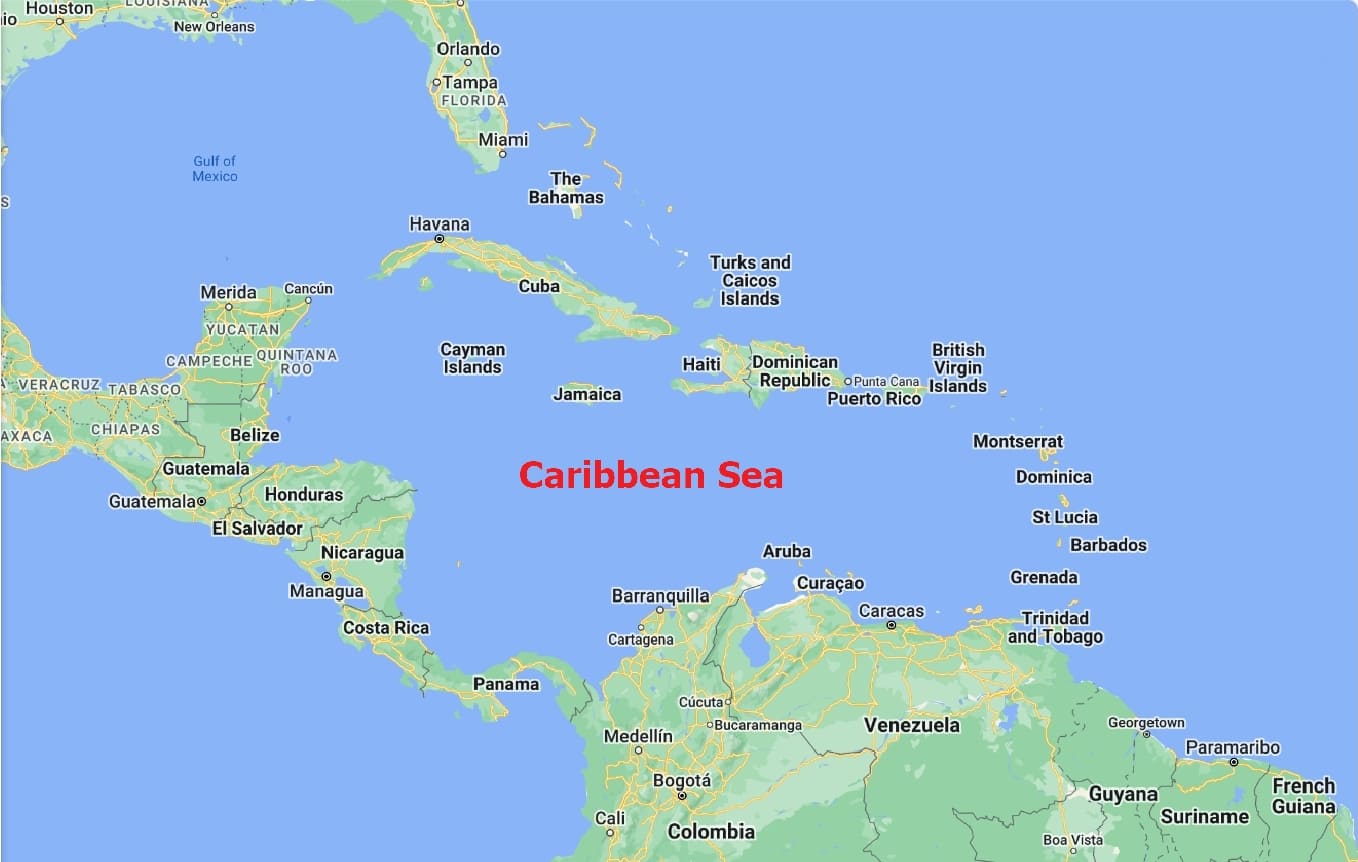
The Caribbean is home to some 450 species of fish, including flying fish, giant oceanic manta rays, Acanthurus bahianus, Pomacanthus, spotfin butterflyfish (Chaetodon ocellatus), parrotfish, Atlantic goliath grouper (Epinephelus itajara), tarpon and muraena. Throughout the Caribbean there are commercial catches of achelata, sardine (off the Yucatan Peninsula) and some species of tuna. Bonefish, barracuda, marlin and wahoo are popular with sport fishermen.
The bull shark, tiger shark, silky shark and Caribbean reef shark are all found in the Caribbean.
There are 90 species of mammals in the Caribbean, including sperm whales, humpback whales and oceanic dolphins. Pinnipeds and the West Indian manatee are found off the island of Jamaica. The Caribbean monk seal, which once lived in the region, is thought to be extinct.
The reptiles of the Caribbean are represented by 500 species (94% endemic). Several endemic species of Cyclura inhabit the islands, and the American crocodile is widespread. Several species of sea turtles are represented in the region: Trichechea spp. Loggerhead (Caretta caretta), Green, Hawksbill, Leatherback, Kemp's Ridley (Lepidochelys kempii) and Olive Ridley (Lepidochelys olivacea).
All 170 amphibian species in the region are endemic. The habitats of almost all members of the True Toad, Poison Dart Frog, Hylidae and Leptodactylidae families are restricted to one island.
The Atlantic Ocean contains about 9% of the world's coral reefs. They cover an area of 50,000 km², most of it off the Caribbean islands. Scleractinian corals are the most common.
Showing 1–9 of 9
Epinephelus itajara
Goliath grouper are yellowish-brown to olive-green or brown. The entire body, including the head and fins, …
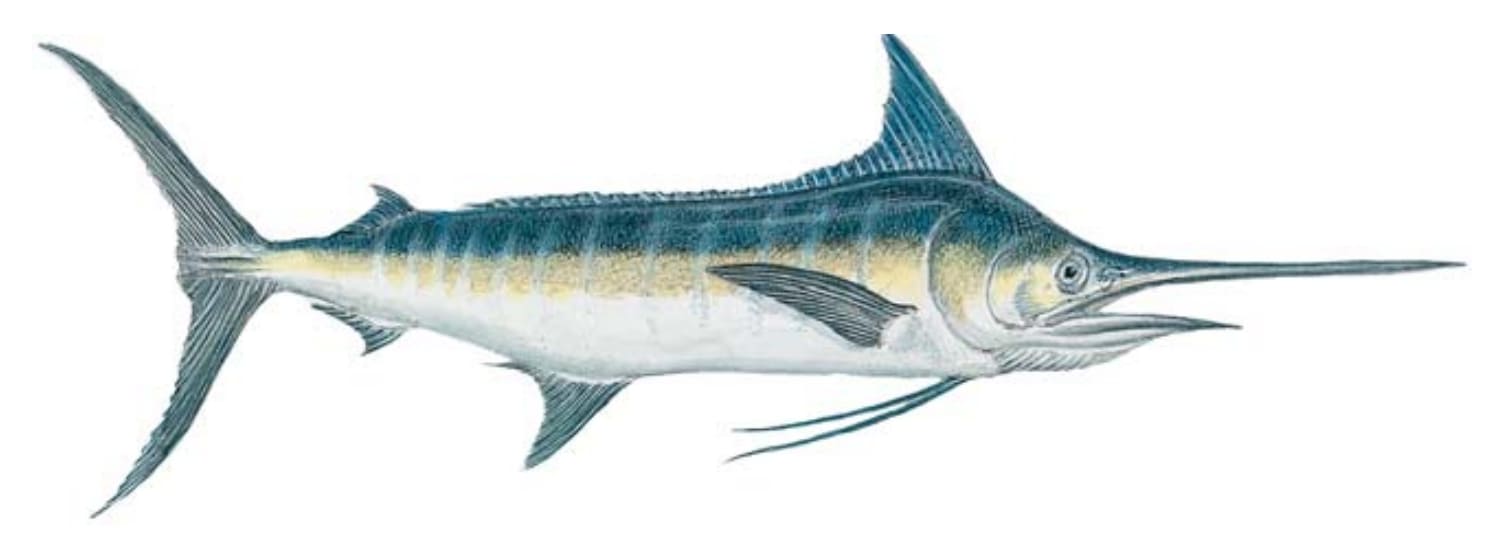
Makaira nigricans and Makaira mazara
The pectoral fins of the blue marlin are never rigid, even after death, and can be …
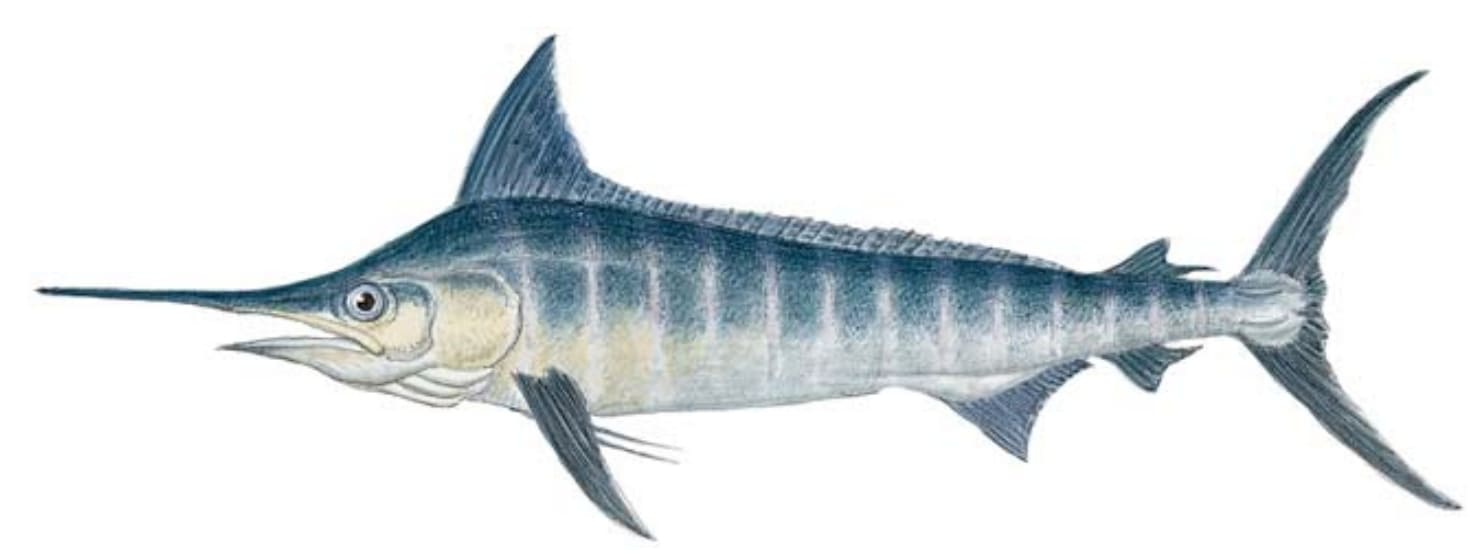
Tetrapturus audax
The body of the striped marlin is elongated and compressed, and its upper jaw is elongated …
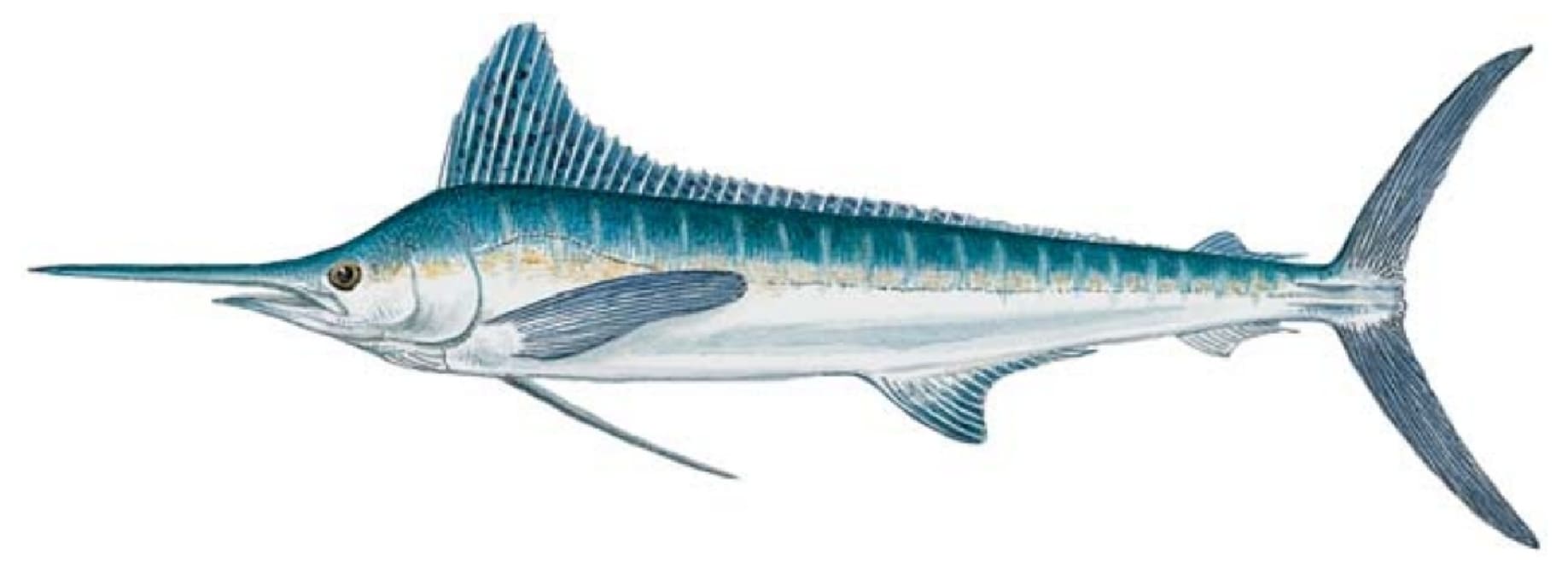
Tetrapturus albidus
The body is powerful, elongated, strongly flattened from the sides. Snout in form of elongated, rostrum, …
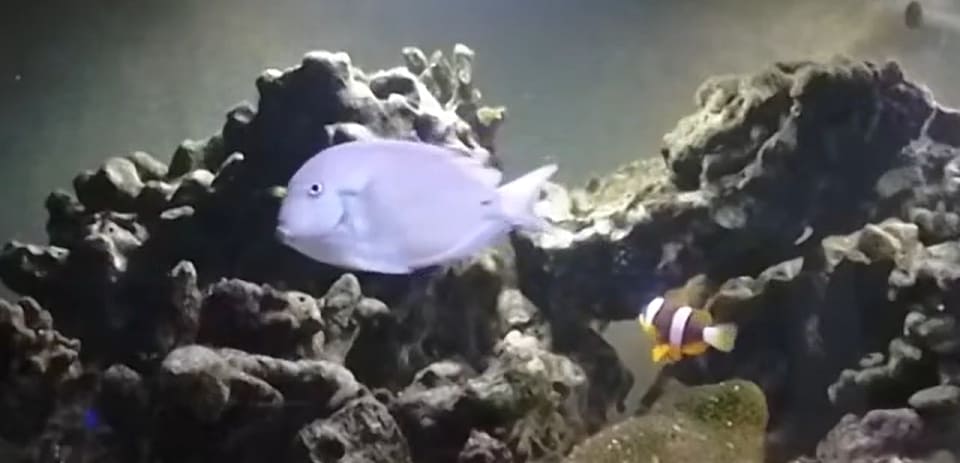
Acanthurus bahianus
Known for their oval bodies of uniform colouration (usually blue-grey to dark brown), pale to dark …
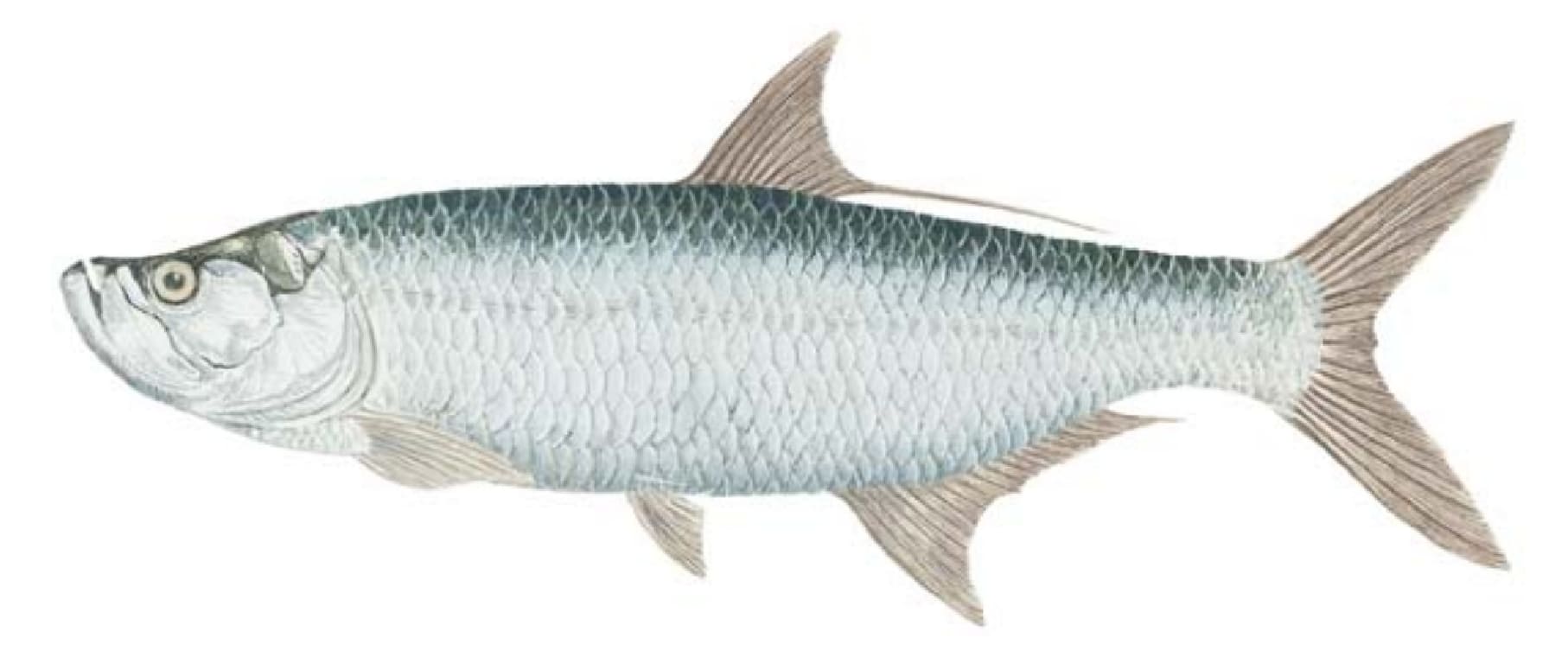
Megalops atlanticus
The body of the tarpon is elongated and contracted, covered with large major scales and a …
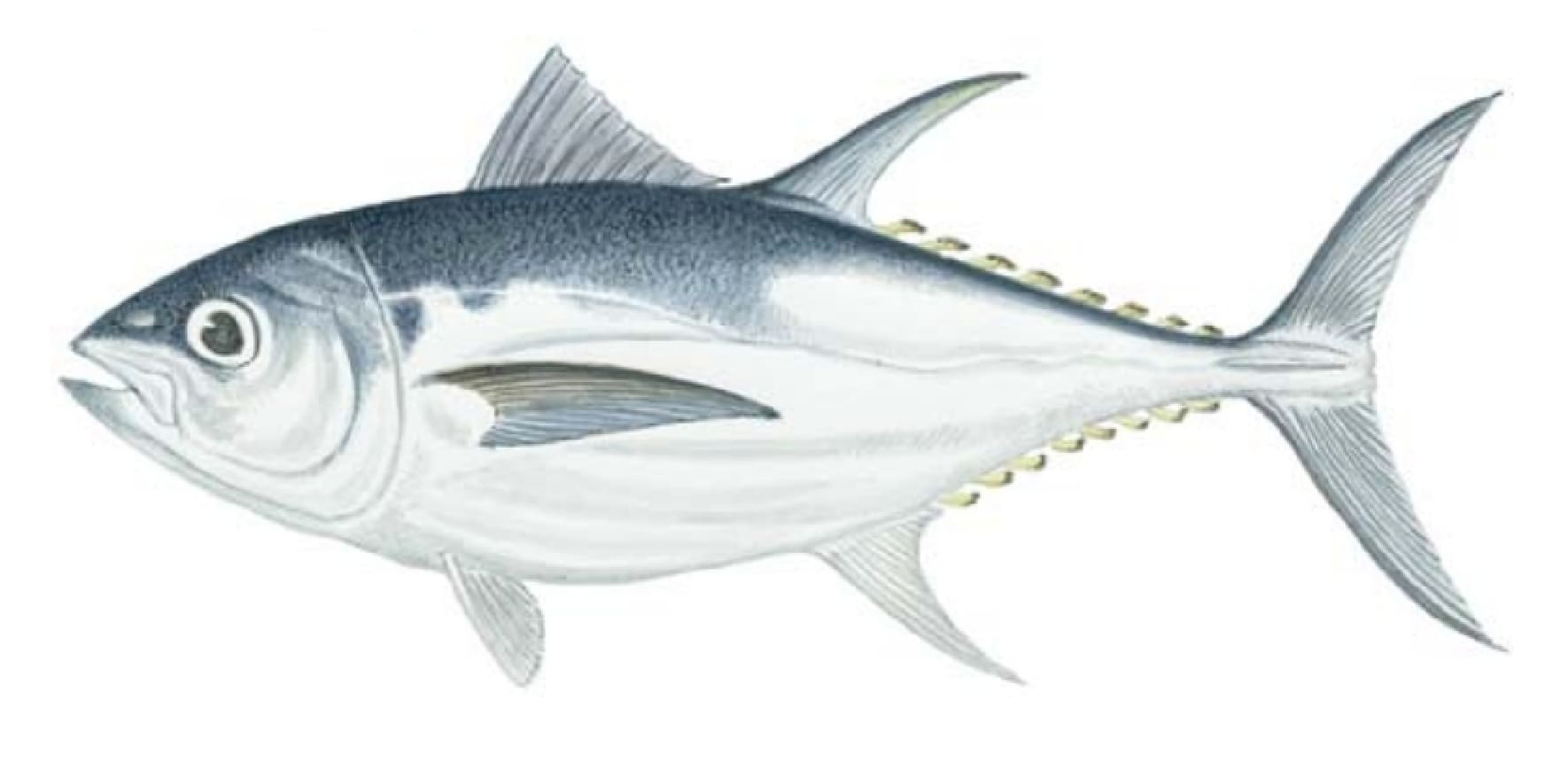
Thunnus obesus
This species is characterized by a stocky body and large eyes. As a rule, there are …
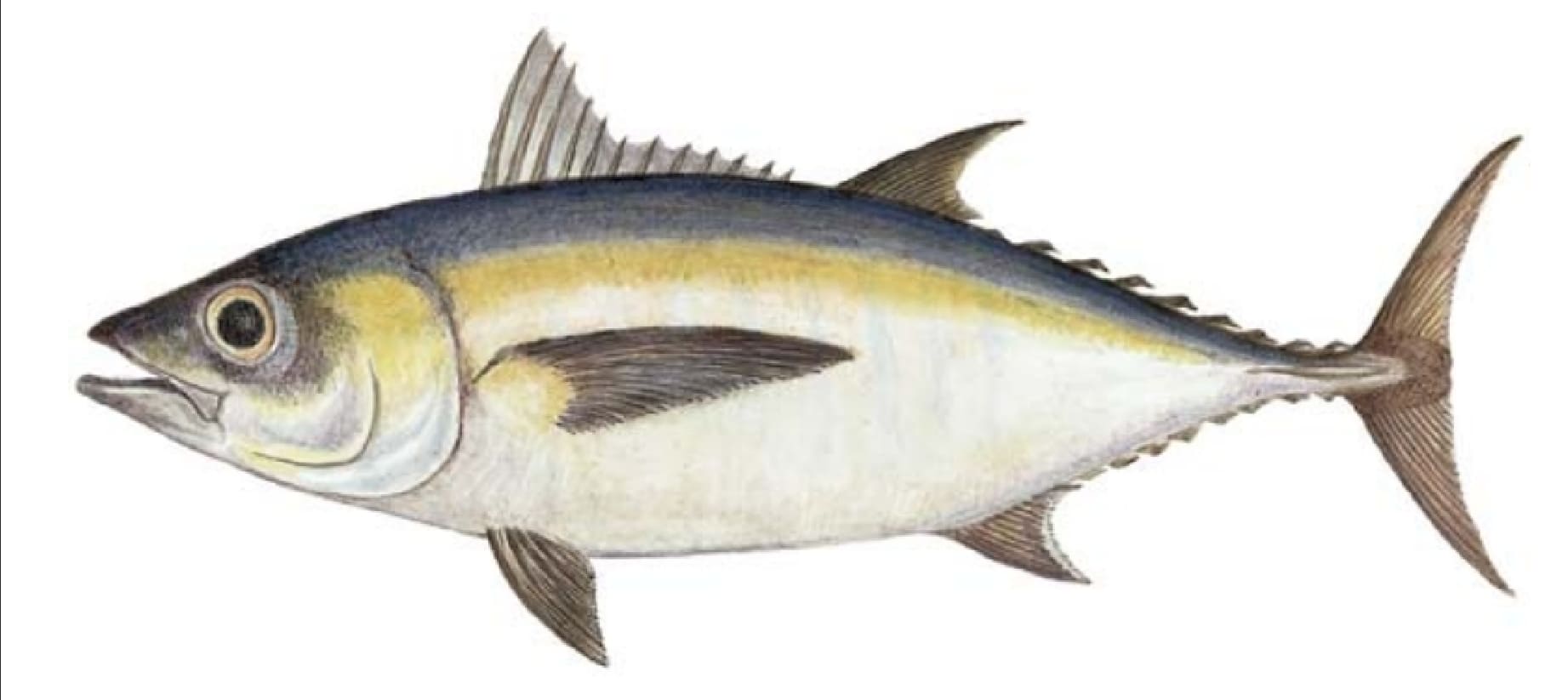
Thunnus atlanticus
The pectoral fins of the fish reach somewhere between the twelfth dorsal spine and the beginning …
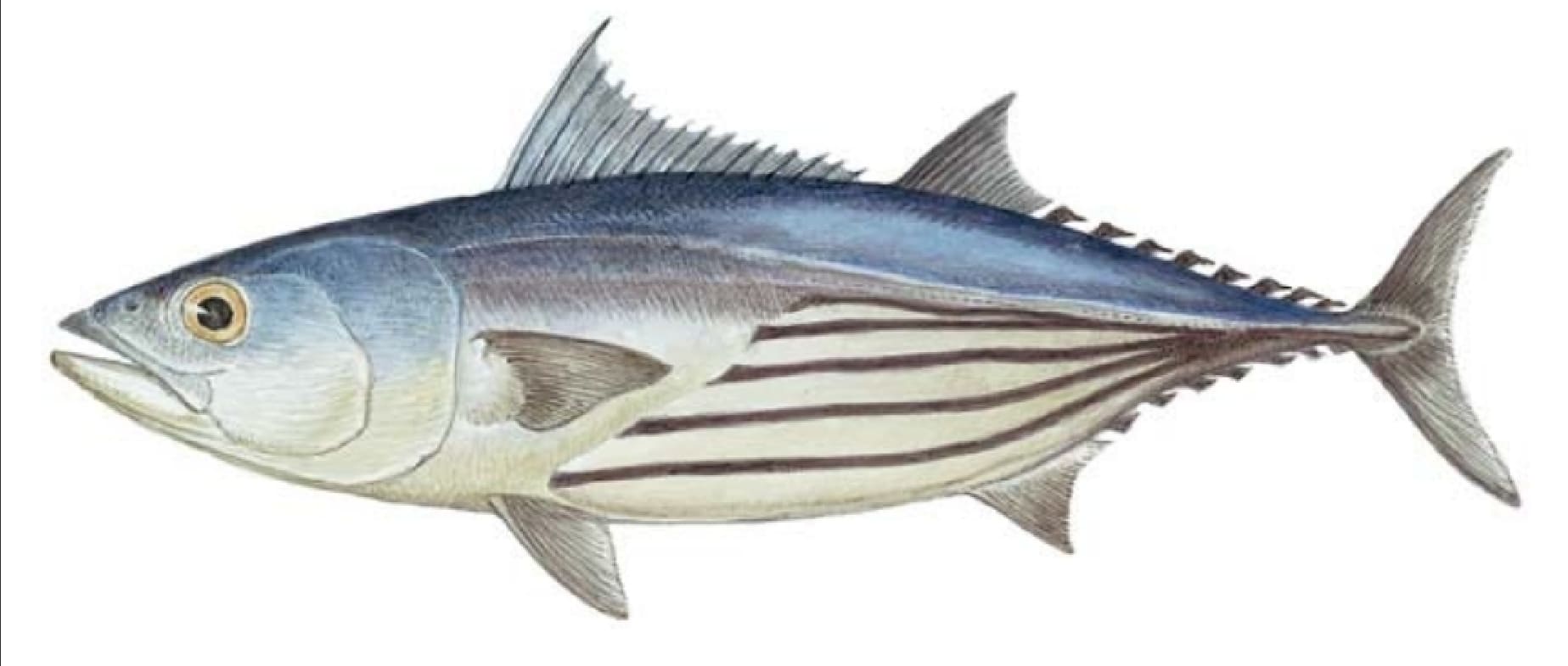
Katsuwonus pelamis
The body is typical of tuna - spindle-shaped, elongated, rounded in cross-section. The presence of stripes …