 Allfishes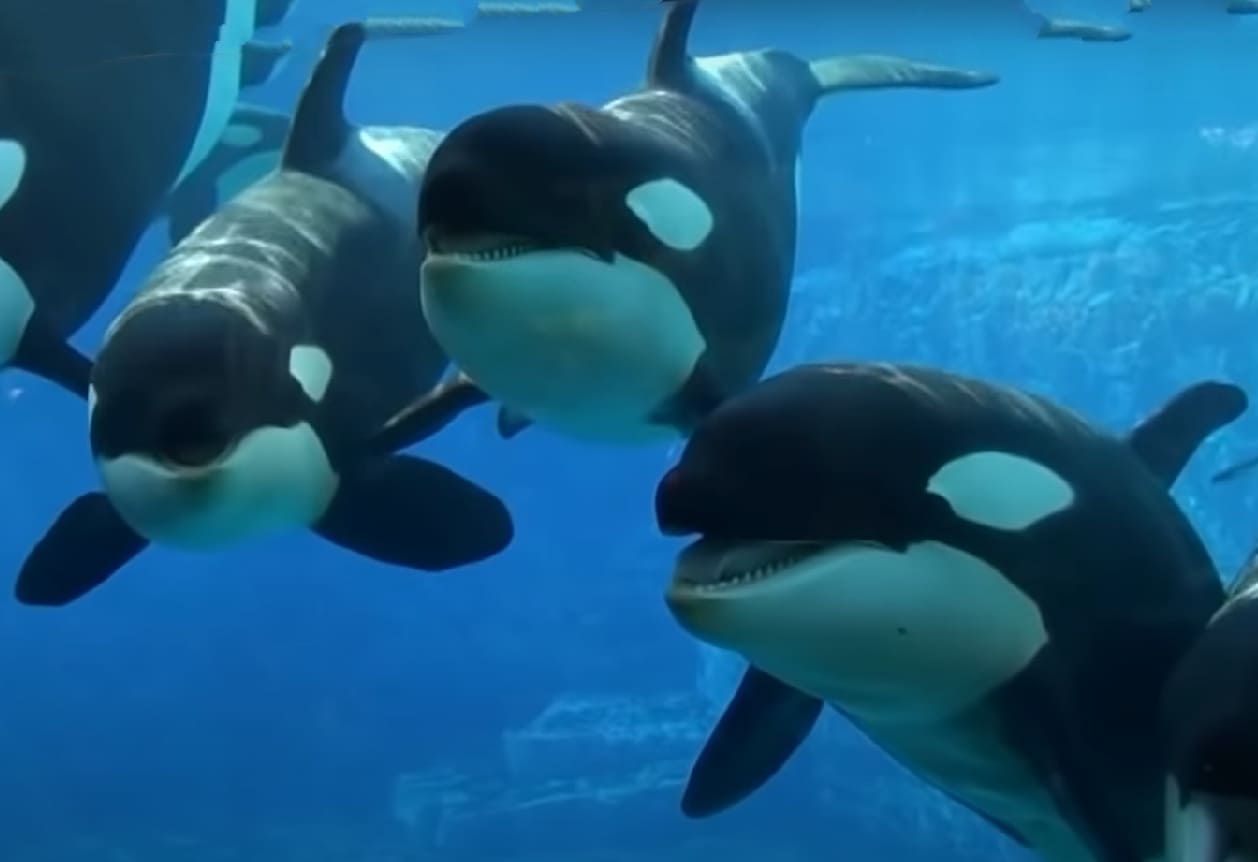
Orca
Orcinus orca
The Latin orca is thought to derive from the Greek ὄρυξ - a word used by …
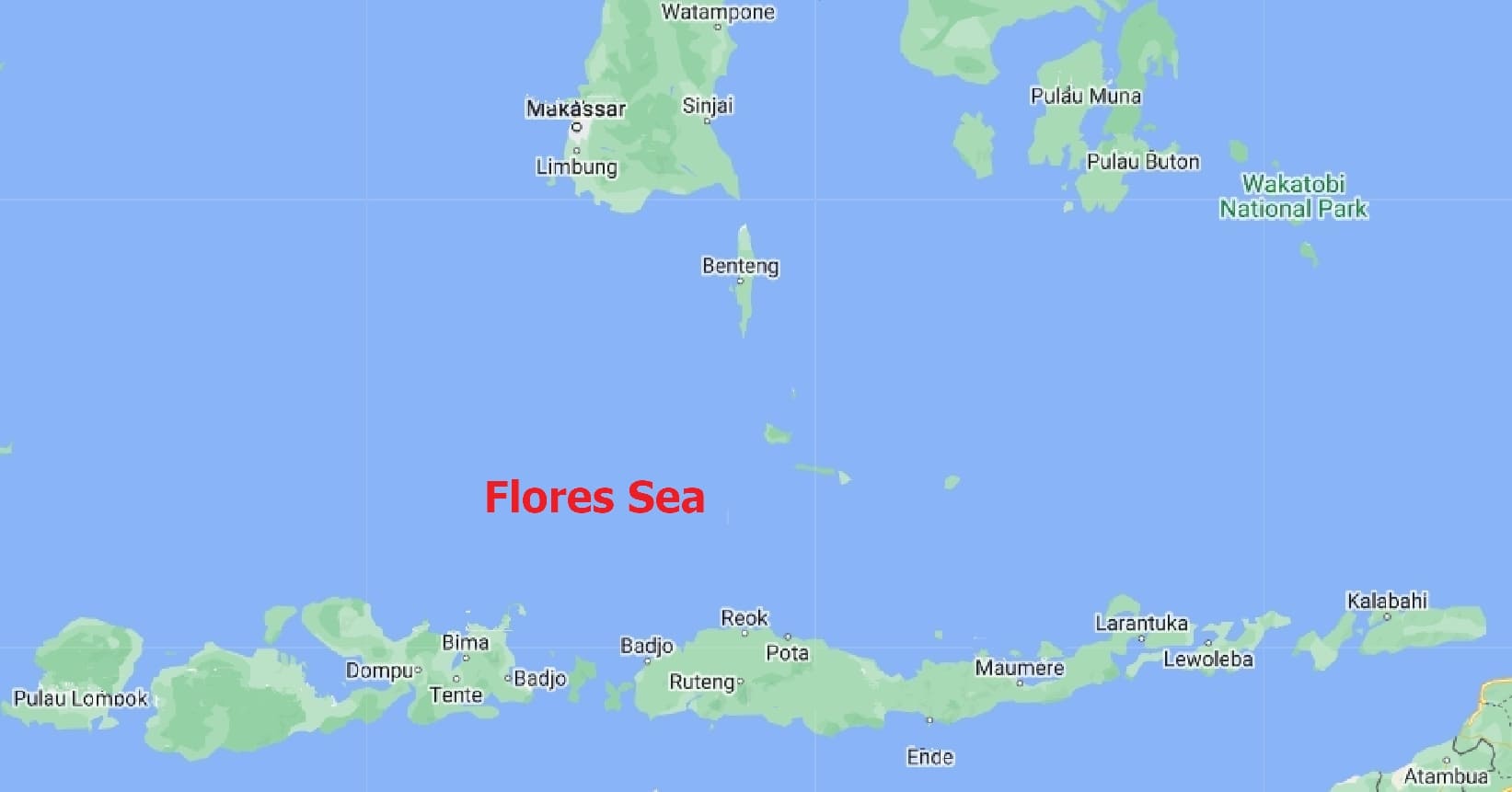 An inter-island sea in the Pacific Ocean, bounded to the north by the island of Sulawesi and to the south by the Lesser Sunda Islands of Sumbawa and Flores. It is connected to the Sulawesi Sea in the northwest by the Makassar Strait, to the Java Sea in the west, to the Banda Sea in the east, and to the Savu Sea in the south.
Surface water temperature 28°C in January-February (up to 28°C near the coasts and in bays), 29.5-30.5°C in July-August. Surface salinity is 33.2 and 34.0 ‰ during the respective periods. The salinity of the upper layer remains almost constant throughout the year, because the freshwater input in the form of precipitation is practically compensated by evaporation. Bottom water temperature is 3°C, salinity from 34.6 to 34.7 ‰.
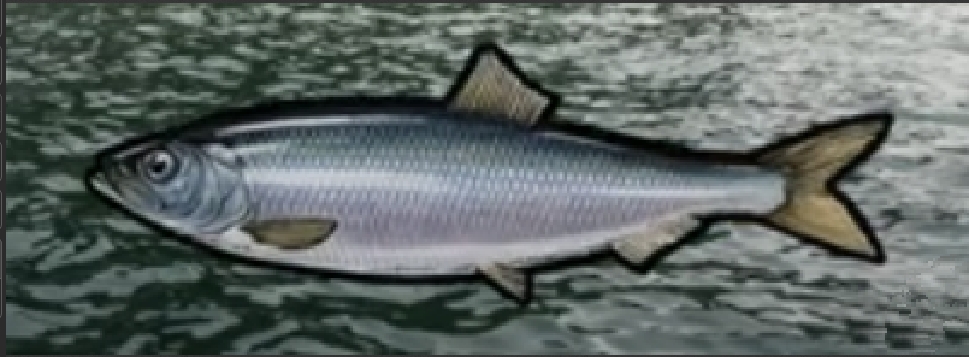
Fishing is widely developed on the shores of this sea. This is facilitated by a large number of fish, whose schools are abundantly caught in the nets set by the fishermen. Pacific bluefin tuna, yellowfin tuna, bigeye tuna, skipjack tuna, narrow-barred Spanish mackerel, Pacific herring, squid, sea turtles, crabs and shrimp are abundant. Part of the population lives from whaling, one of the few places in the world where this activity is allowed.
The waters of the Flores Sea are home to a variety of aquatic fauna. The strong currents that occur in winter facilitate the southwest migration routes of various mammals. Animals such as whales use the routes through the Flores Sea to migrate from the Pacific Ocean to the Indian Ocean. The rich food resources attract orcas and dolphins. Colorful small reef fish can be found here as well as larger species such as Giant Trevally, Humphead Wrasse, Mangrove Red Snapper, Leopard Coral Grouper and Great Barracuda. One of the main attractions of the sea is the giant oceanic manta ray. Spotted eagle ray, reef manta ray, bluespotted ribbontail ray, ribbon eel, spotted garden eel, striped eel catfish and short-finned eel also live here. Sloane's viperfish and humpback anglerfish are also residents of these areas.
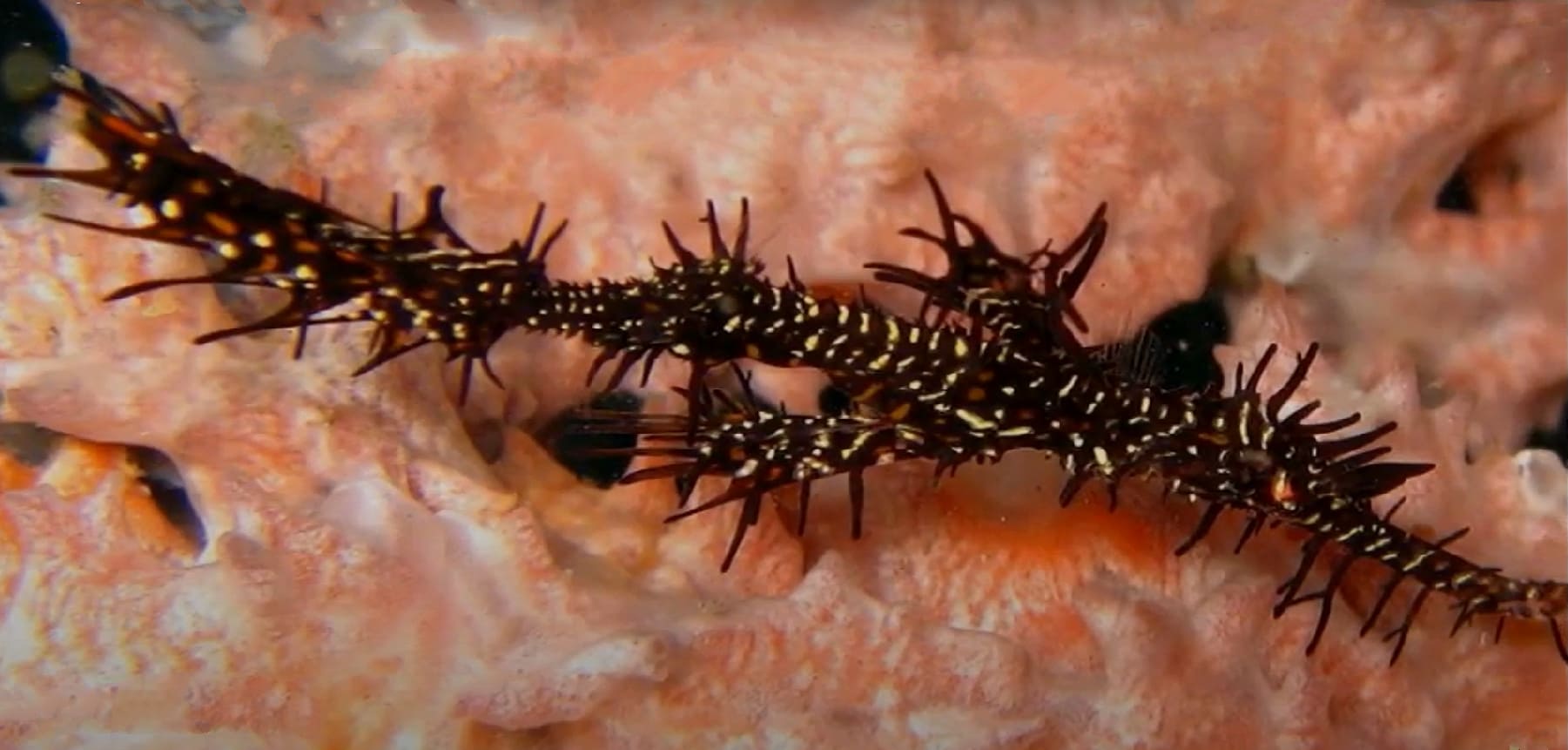
The Flores Sea attracts divers from all over the world. The sea boasts magnificent coral reefs that are like underwater gardens teeming with marine life. They are home, breeding and feeding grounds for a variety of marine species. The waters are home to one of the most mysterious fish, the Ocean Sunfish. The coral reefs are home to green humphead parrotfish, emperor angelfish, red lionfish, Moorish idol, reef stonefish, ocellaris clownfish, clown triggerfish, bluestreak cleaner wrasse, longhorn cowfish, titan triggerfish, yellow boxfish, lagoon triggerfish, devil firefish, sergeant major, redtoothed triggerfish, several species of muraenas including giant moray eels and snowflake moray eels. Divers exploring the waters will find habitat for common seahorse and dwarf seahorse. Macro photography enthusiasts will be delighted by the nudibranch and ornate ghost pipefish. You can also swim with turtles, dolphins and sharks.
The Flores Sea is home to a variety of shark species including the delightful whale shark, great hammerhead, nurse shark, stealthy gray reef shark, blacktip reef shark, whitetip reef shark and many other predators.
Showing 25–47 of 47
Orcinus orca
The Latin orca is thought to derive from the Greek ὄρυξ - a word used by …
Solenostomus paradoxus
Vertebrae: 32-33. Post pelagic fishes are almost completely transparent and thinner compared to those formed in …
Titles in different languages North Pacific herring, Pacific herring (eng), Pacifisher hering (deu), aringa del Pacifico …
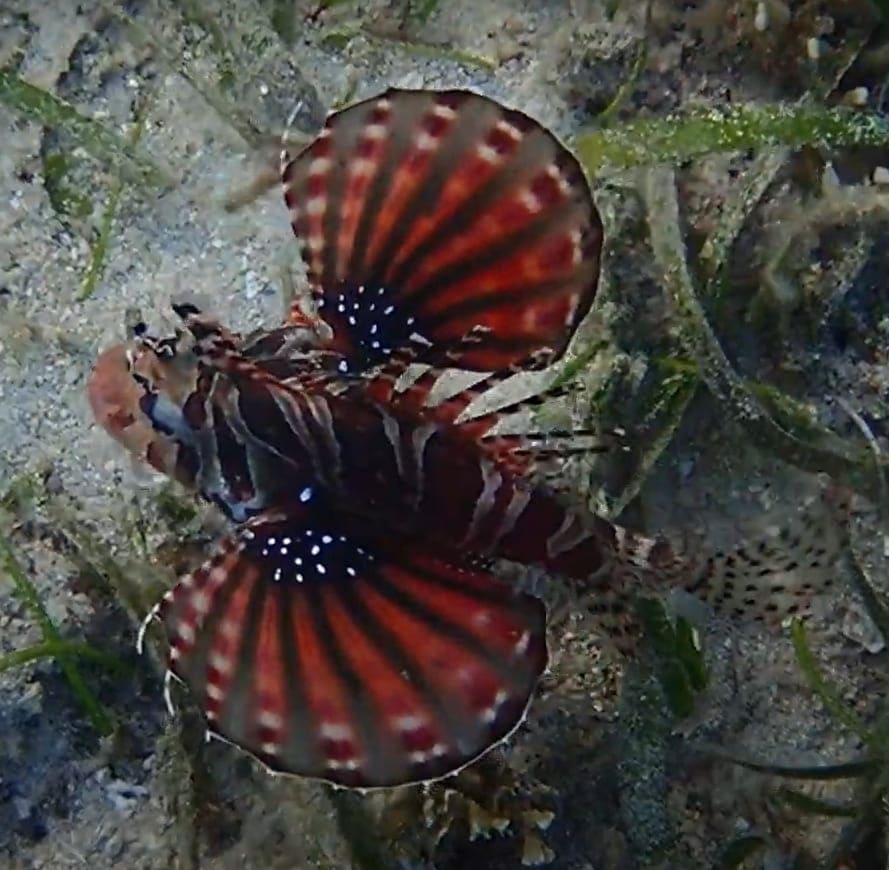
Pterois volitans
Long, silently oscillating fins and head growths (of which the growth over the eye is particularly …
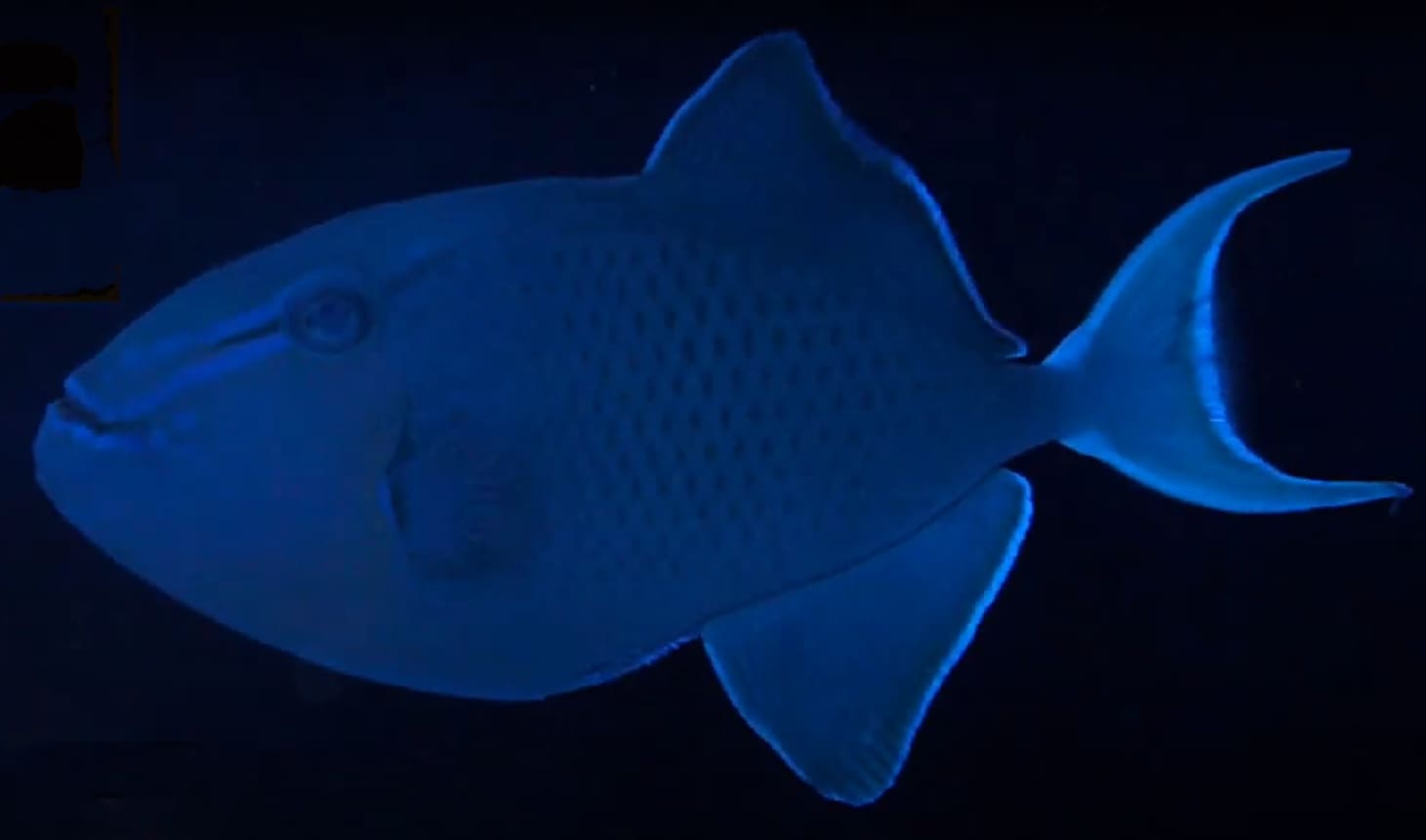
Odonus niger
The body is diamond shaped, slightly flattened at the sides. Tail bifurcated, very long, often with …
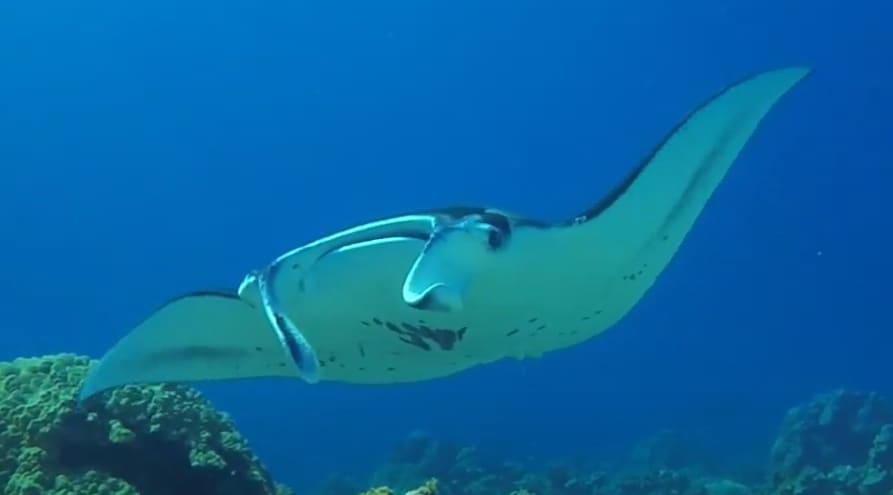
Mobula alfredi
Huge pectoral fins together with the head form a rhombic disc, the width of which is …
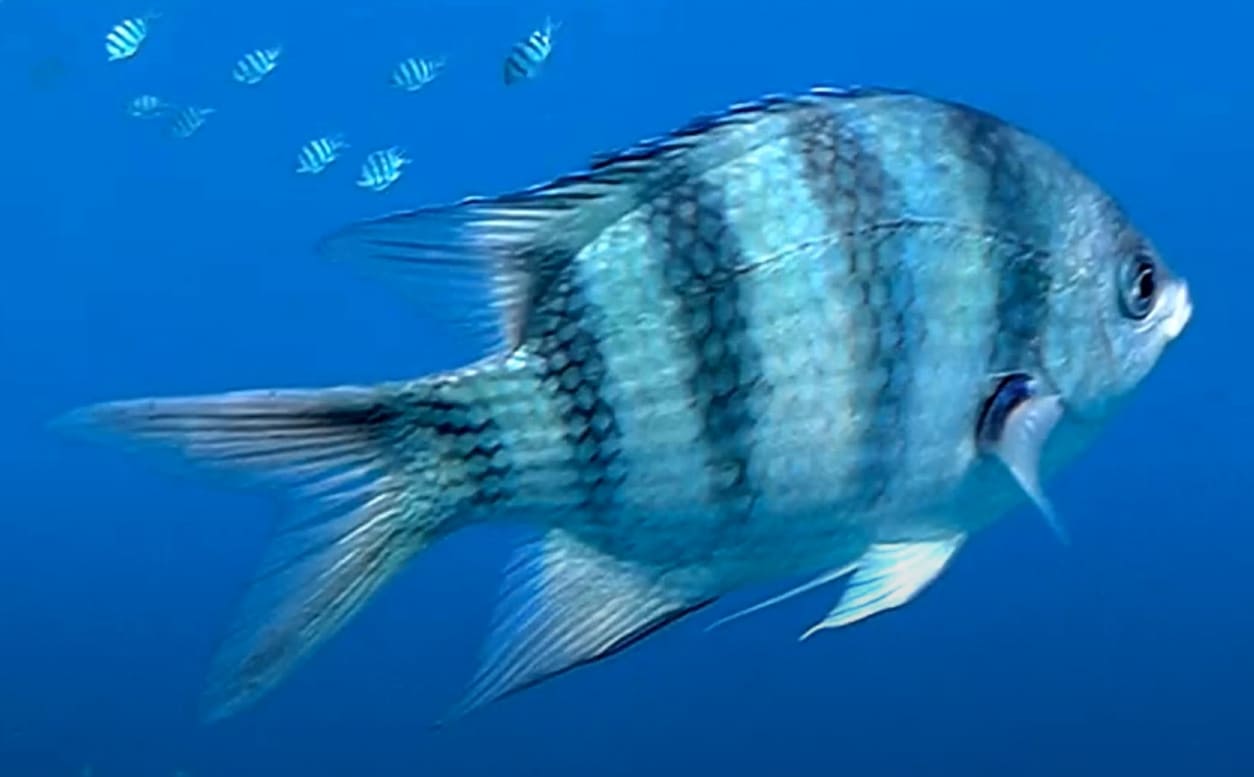
Abudefduf sexfasciatus
They get their name from the black stripes on their tail and flanks, which resemble the …
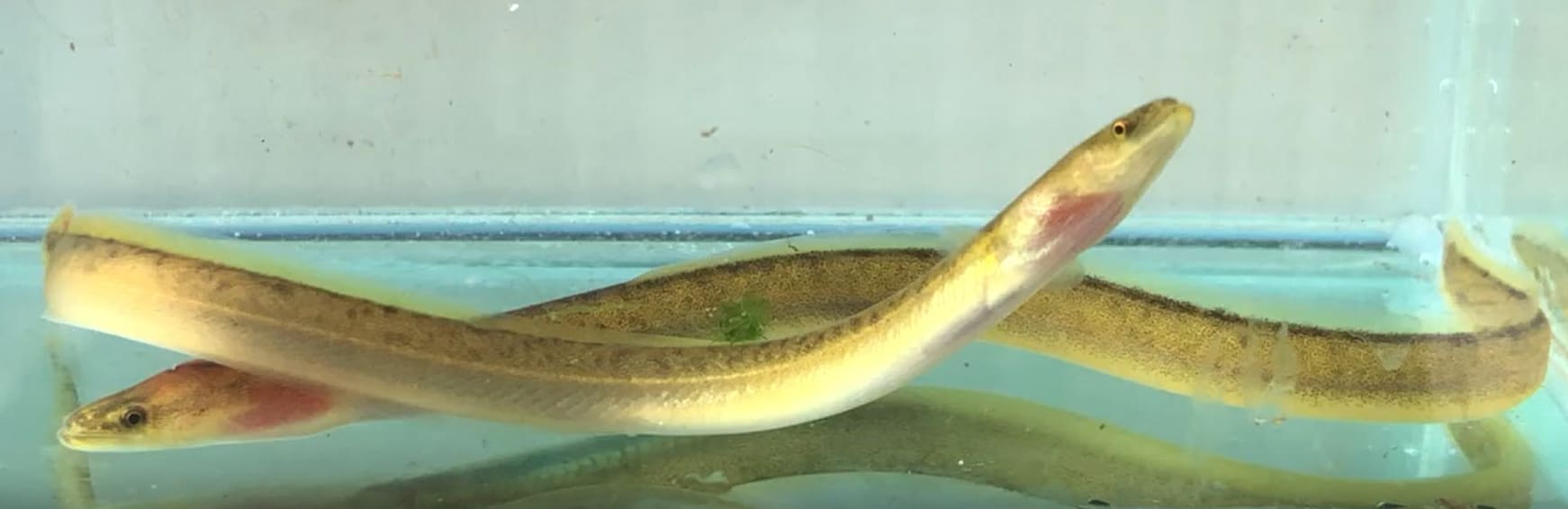
Anguilla australis
The body is long, snake-like, tubular, the head is small, and the jaws reach from behind …
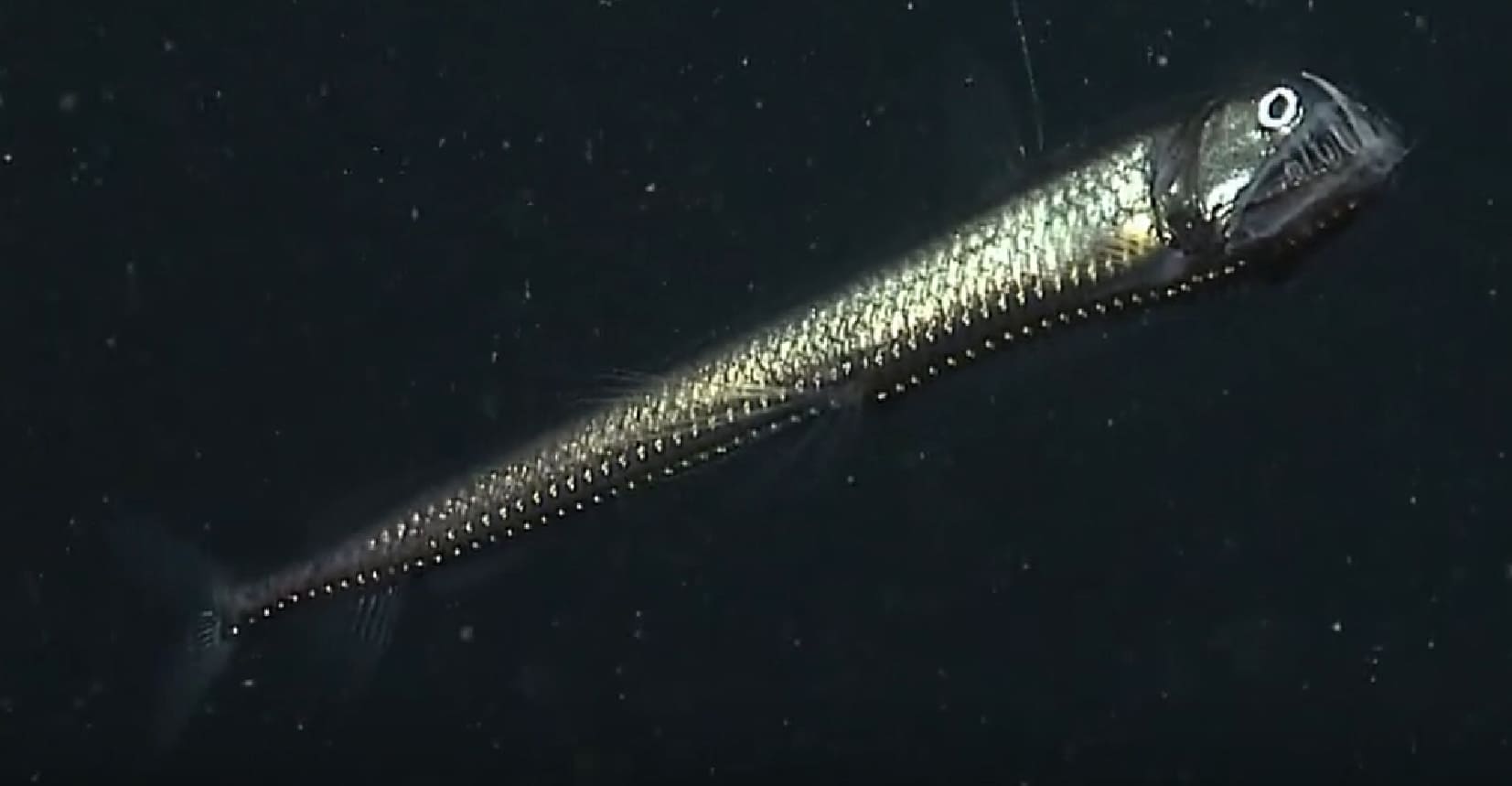
Chauliodus sloani
C. sloani has a low lipid content (~2.4%). The body is covered with a thick, transparent, …
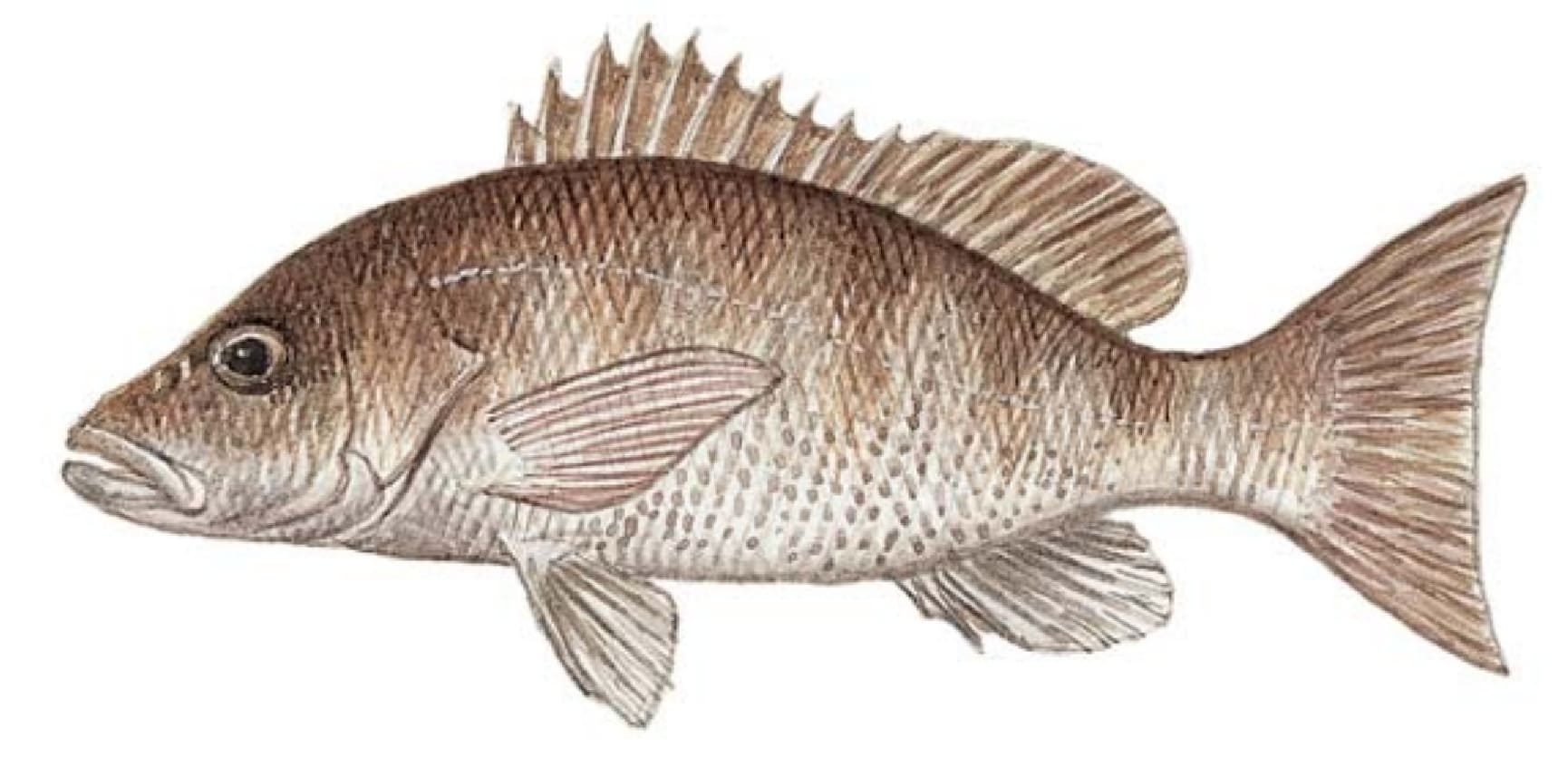
Lutjanus griseus
The body is short, the snout is long and pointed. The front pair of canines on …
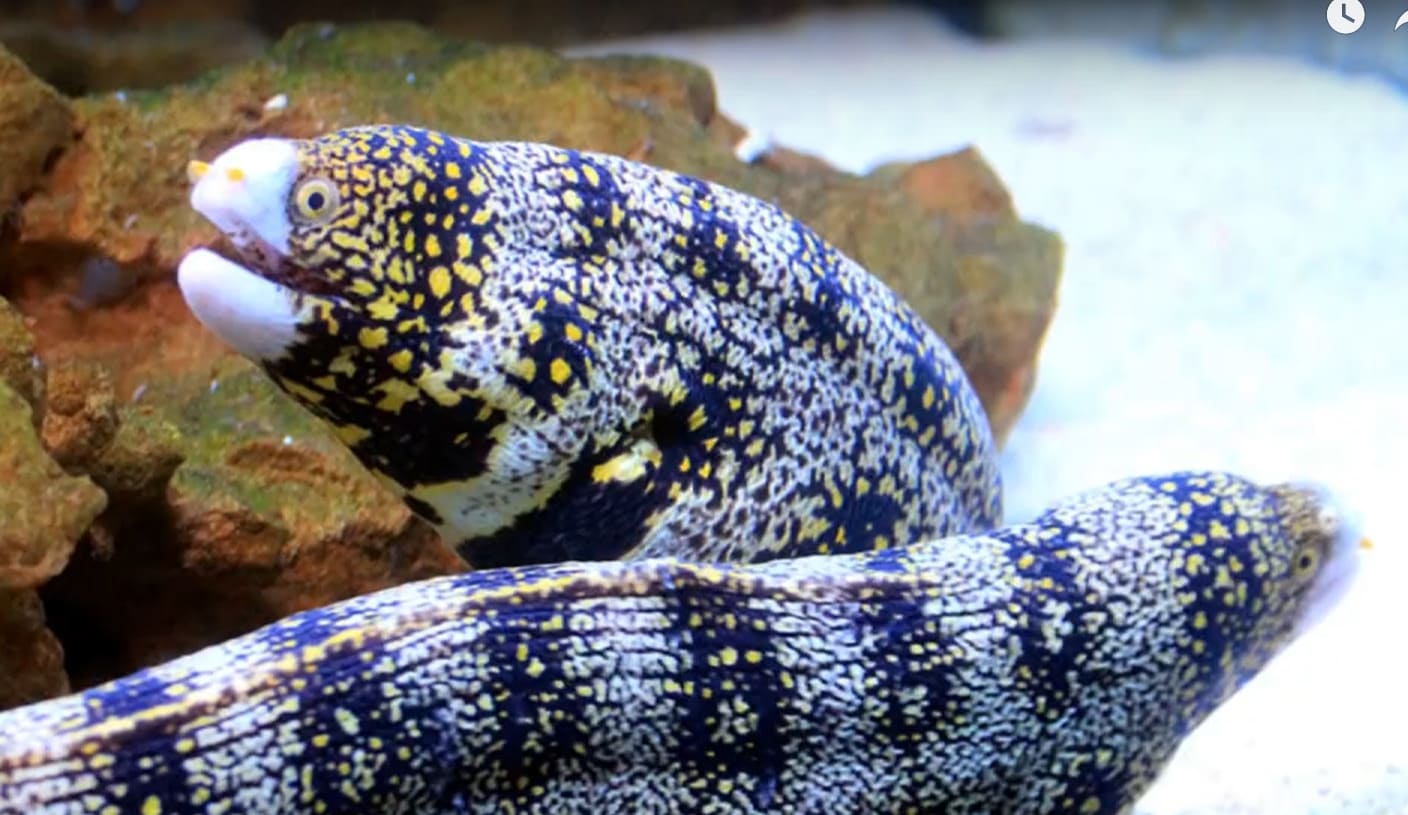
Echidna nebulosa
Body elongated, eel-shaped, slightly compressed at the sides. Skin bare, covered with mucus. Sexual dimorphism is …
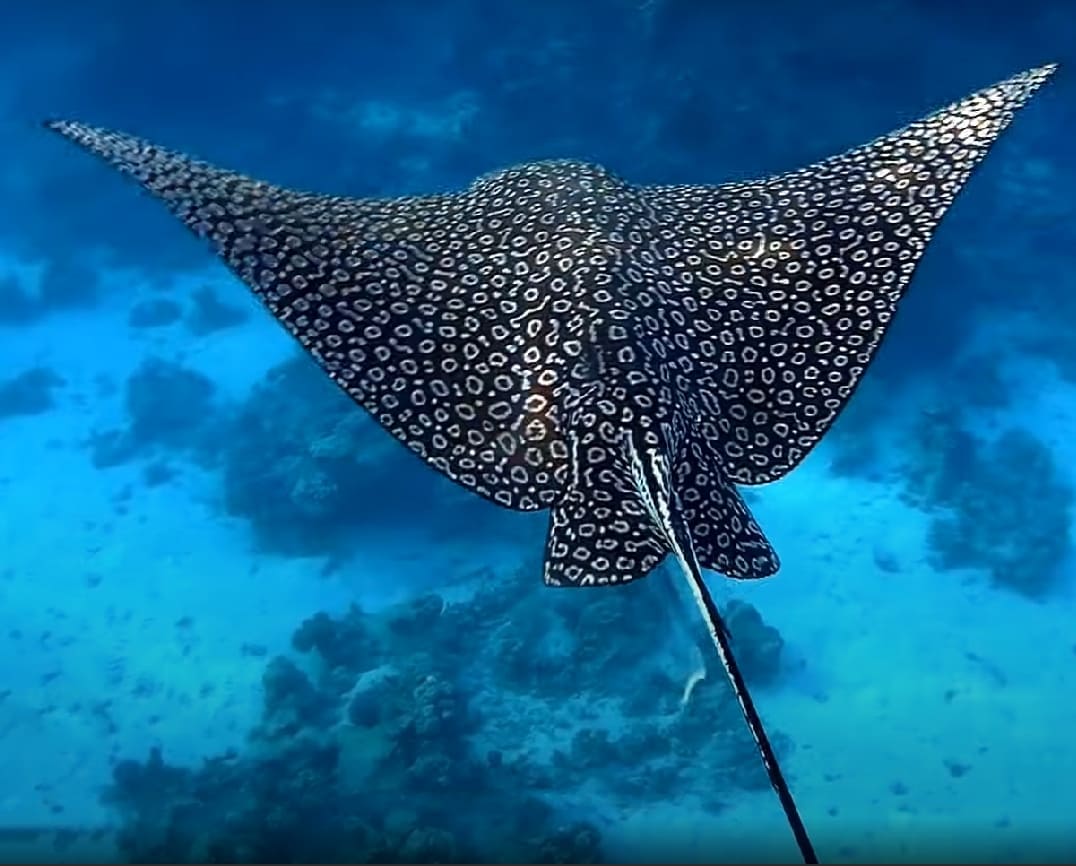
Aetobatus narinari
They have a flattened, disc-shaped body. The characteristic shape of the flat snout resembles a duck's …
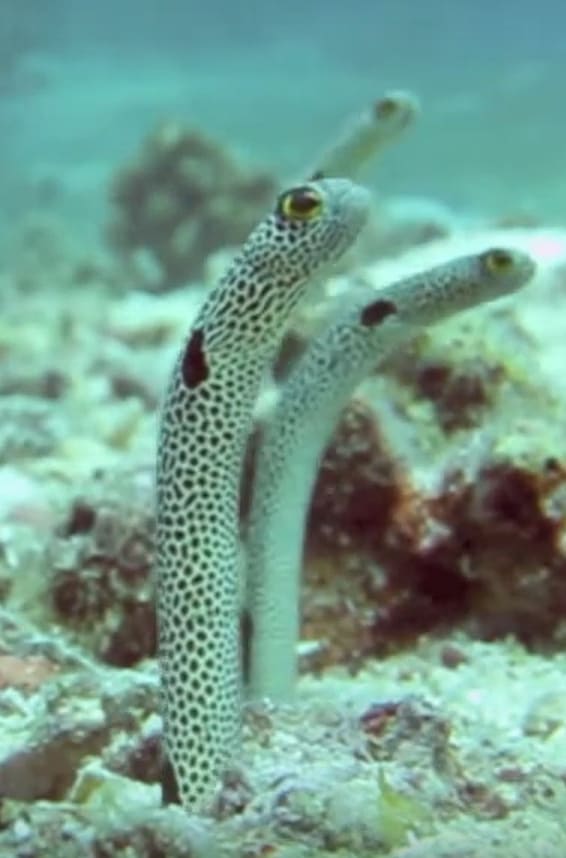
Heteroconger hassi
Have an elongated, eel-shaped body. Vertebrae: 163-177. Anterior nostrils merge into a continuous free lip roll.
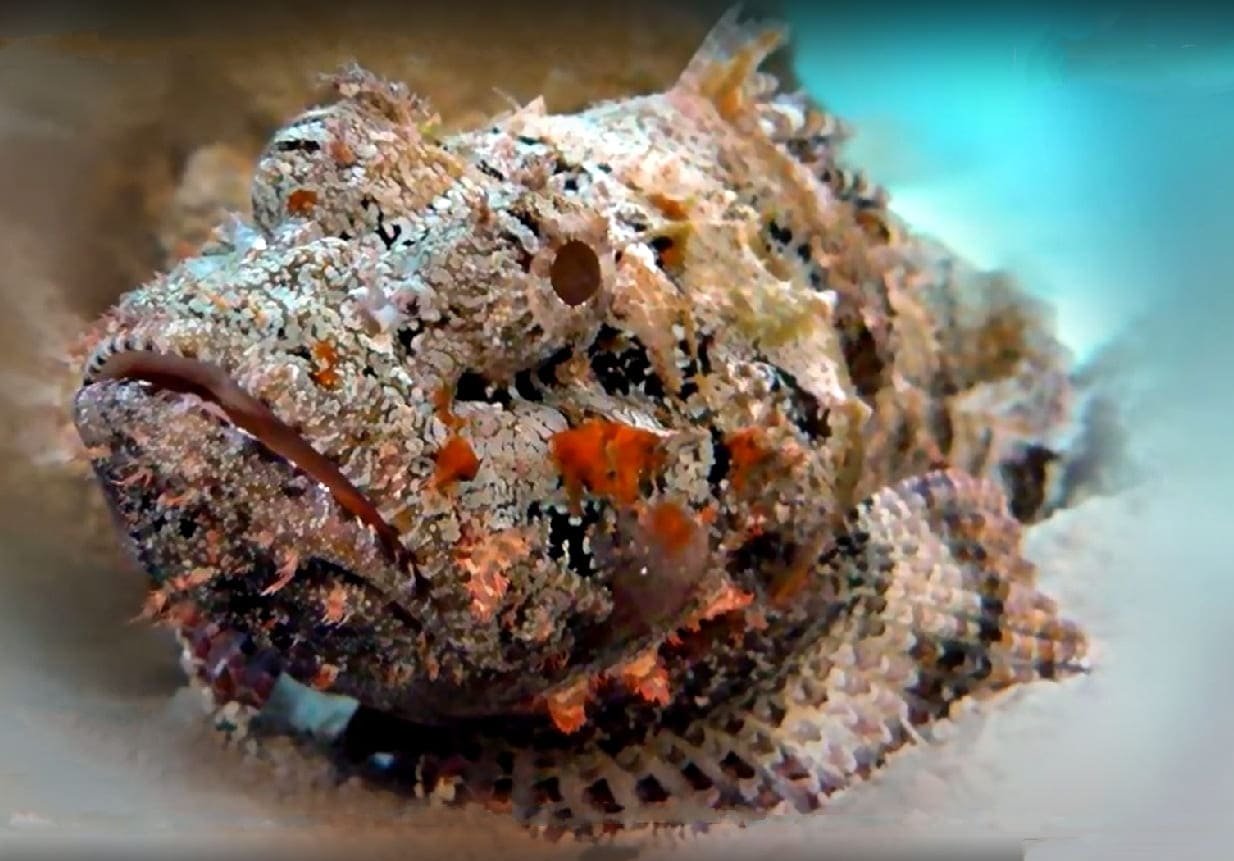
Synanceia verrucosa
The head is broad and flat. The skin is tough and rough, with warts. The small …
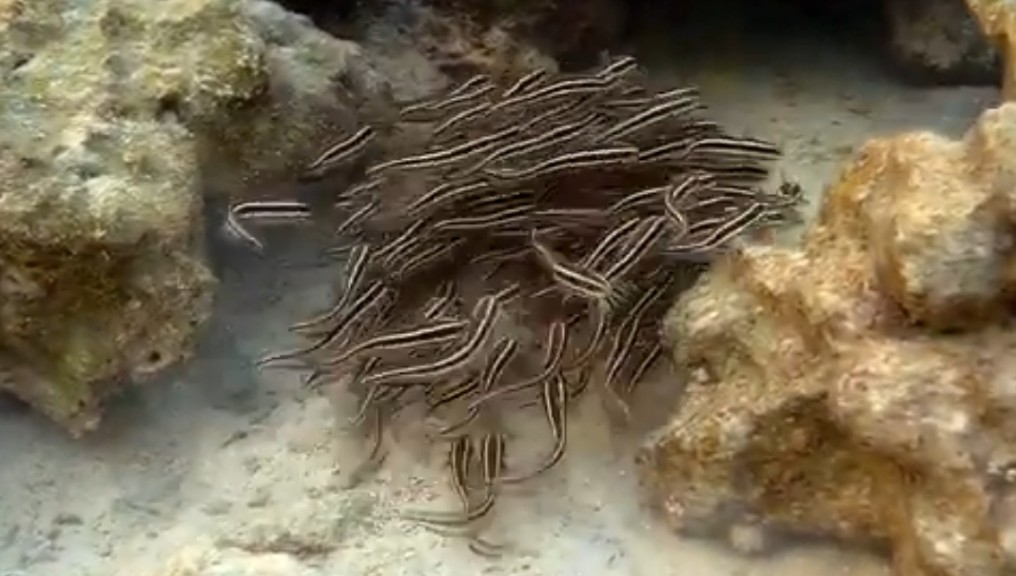
Plotosus lineatus
The body is elongated, flattened anteriorly and somewhat compressed laterally posteriorly, tapering to the caudal part. …
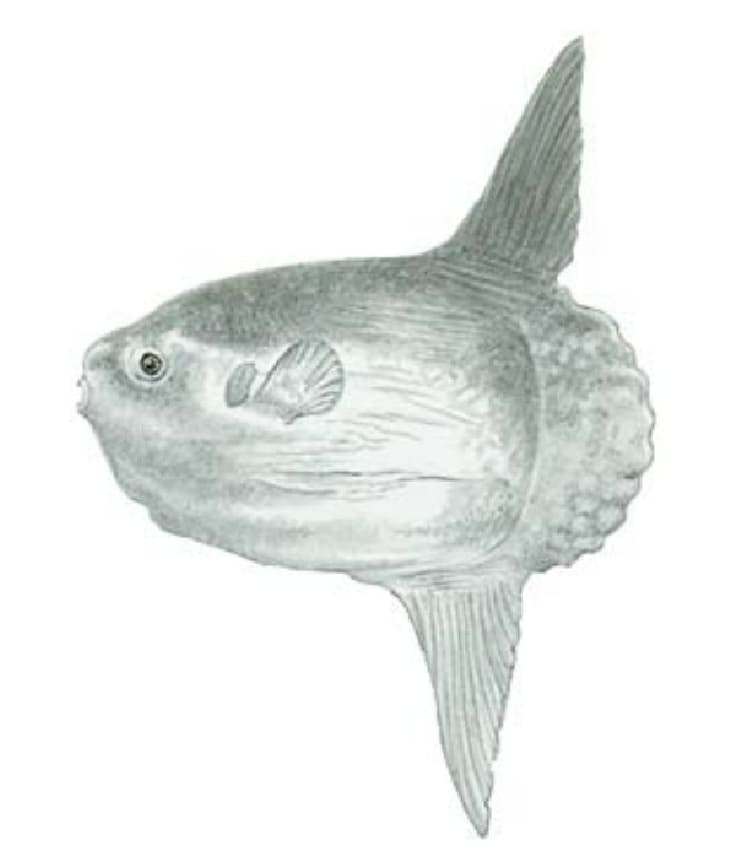
Mola mola
The short, strongly laterally compressed body is disk-shaped. Thick skin is covered with small bony tubercles. …
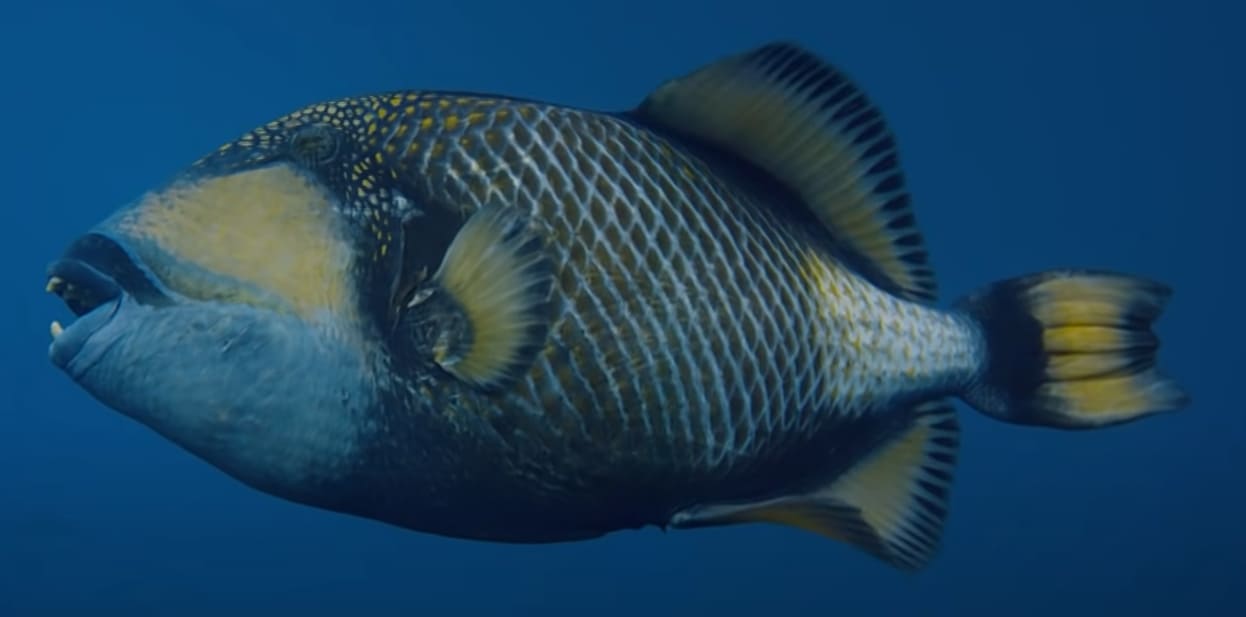
Balistoides viridescens
They get their name from the fixation mechanism used to hold the dorsal spine in place. …
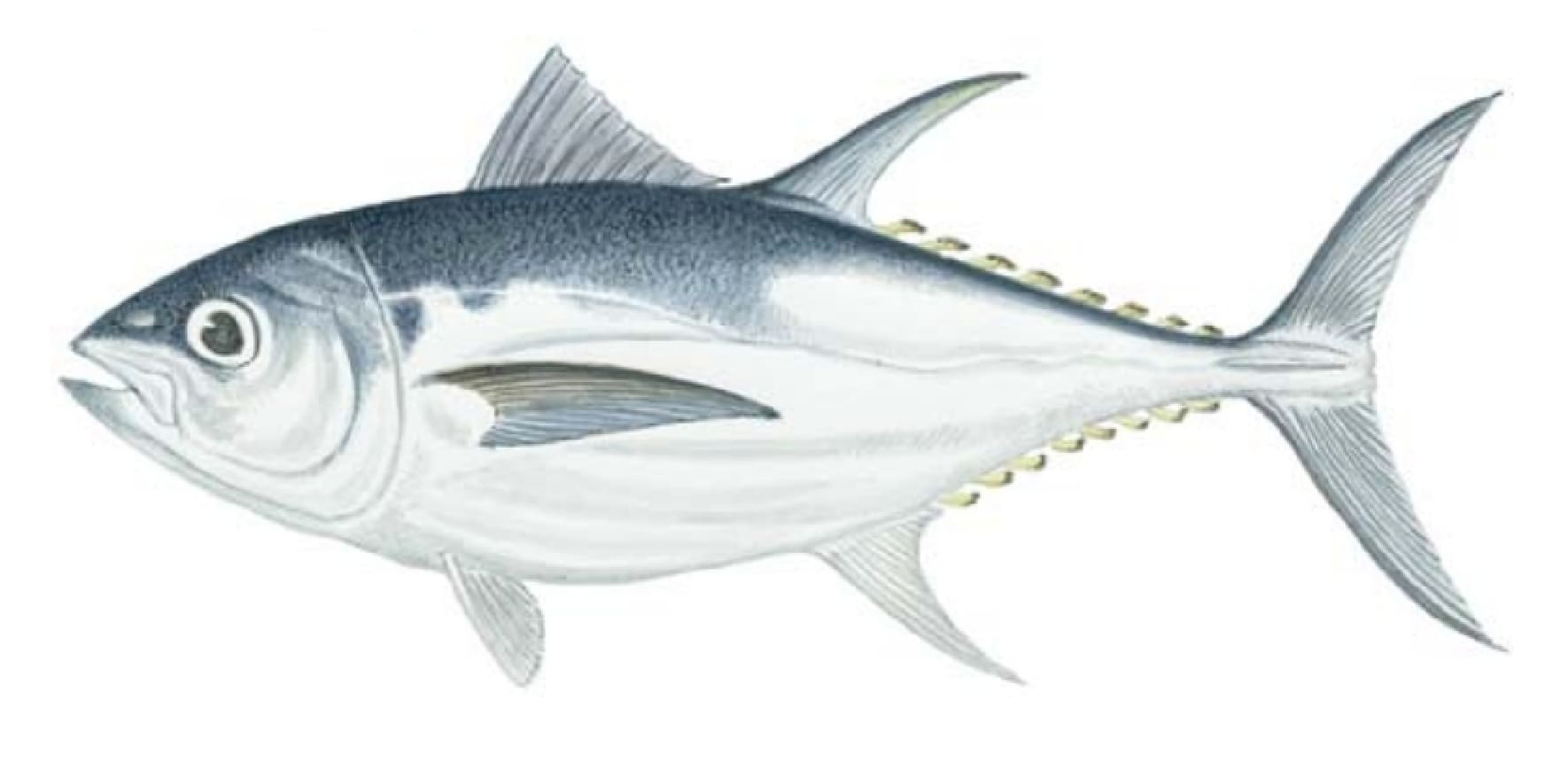
Thunnus obesus
This species is characterized by a stocky body and large eyes. As a rule, there are …
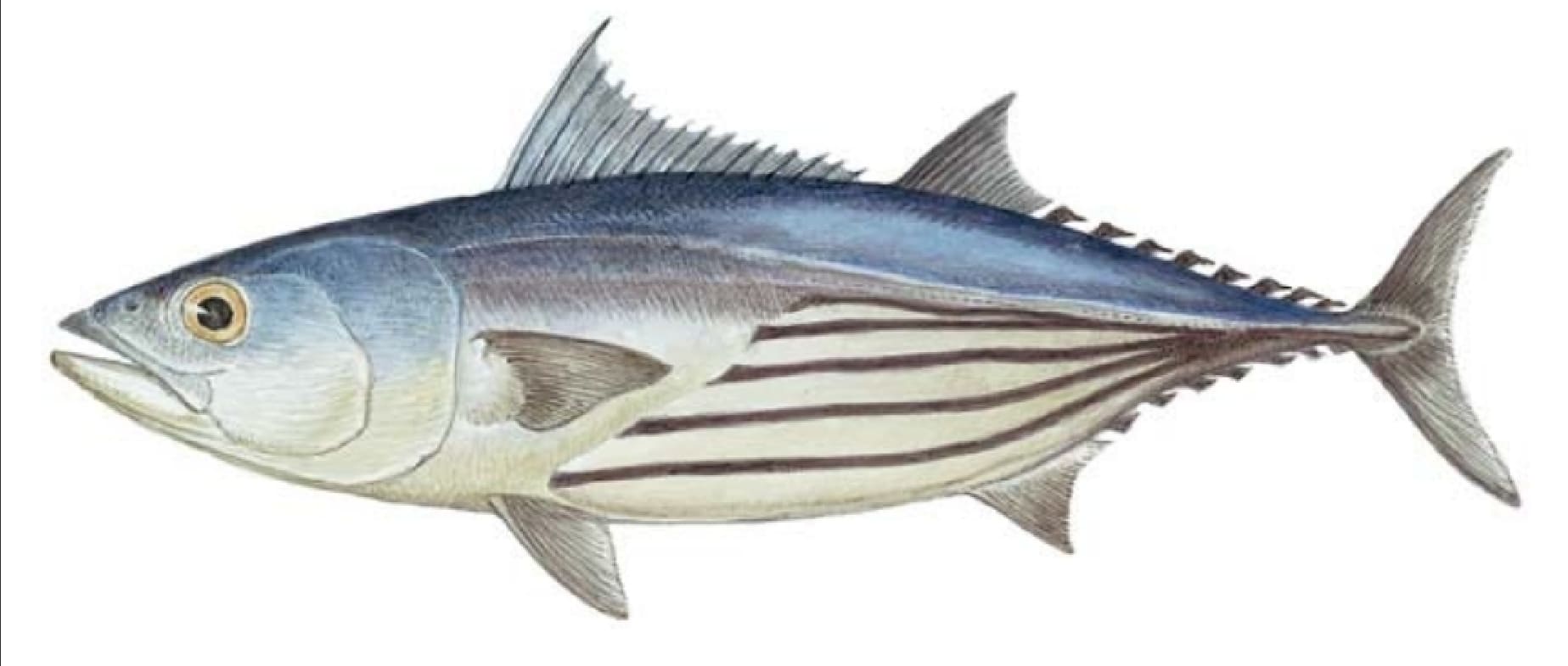
Katsuwonus pelamis
The body is typical of tuna - spindle-shaped, elongated, rounded in cross-section. The presence of stripes …
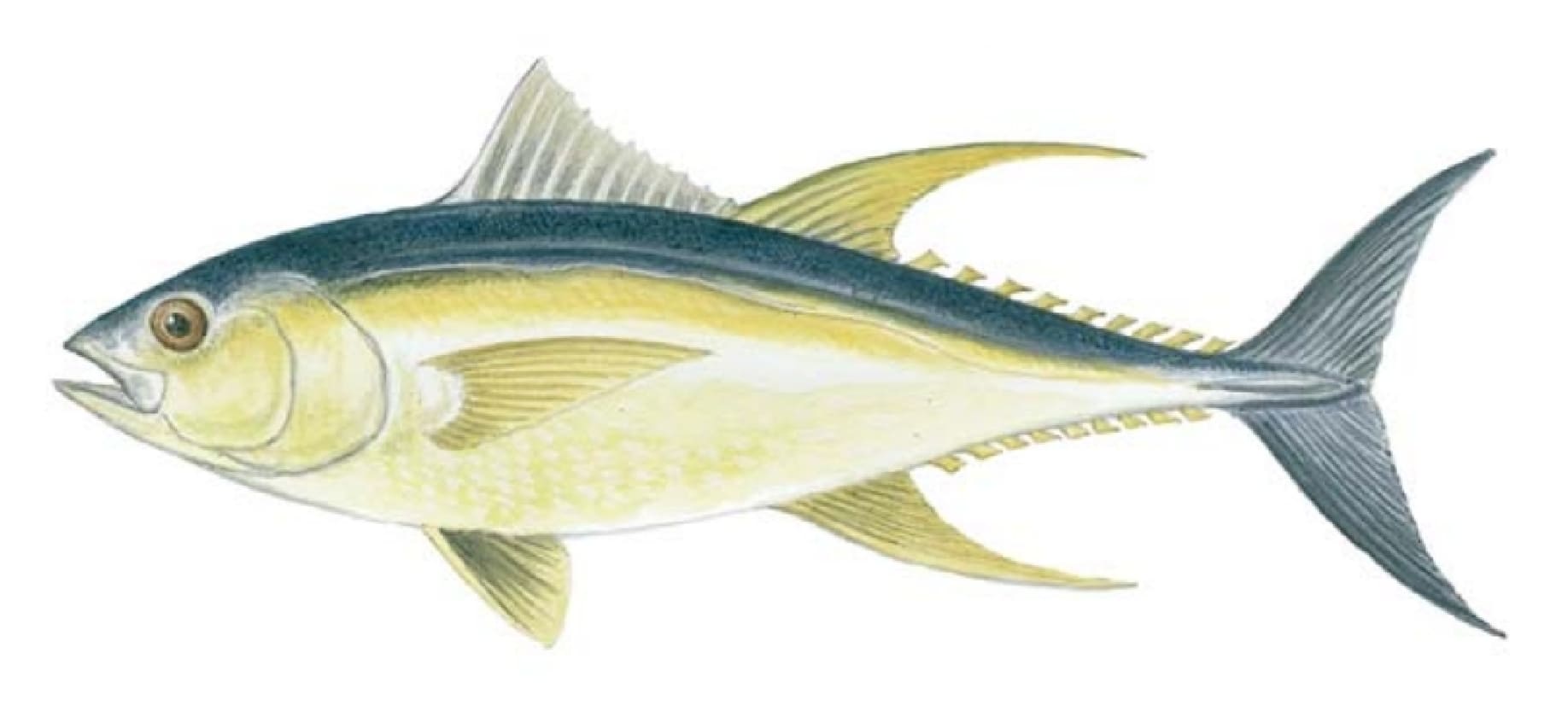
Thunnus albacares
This is probably the most colorful of all tuna. The back is blue-black, turning to silver …
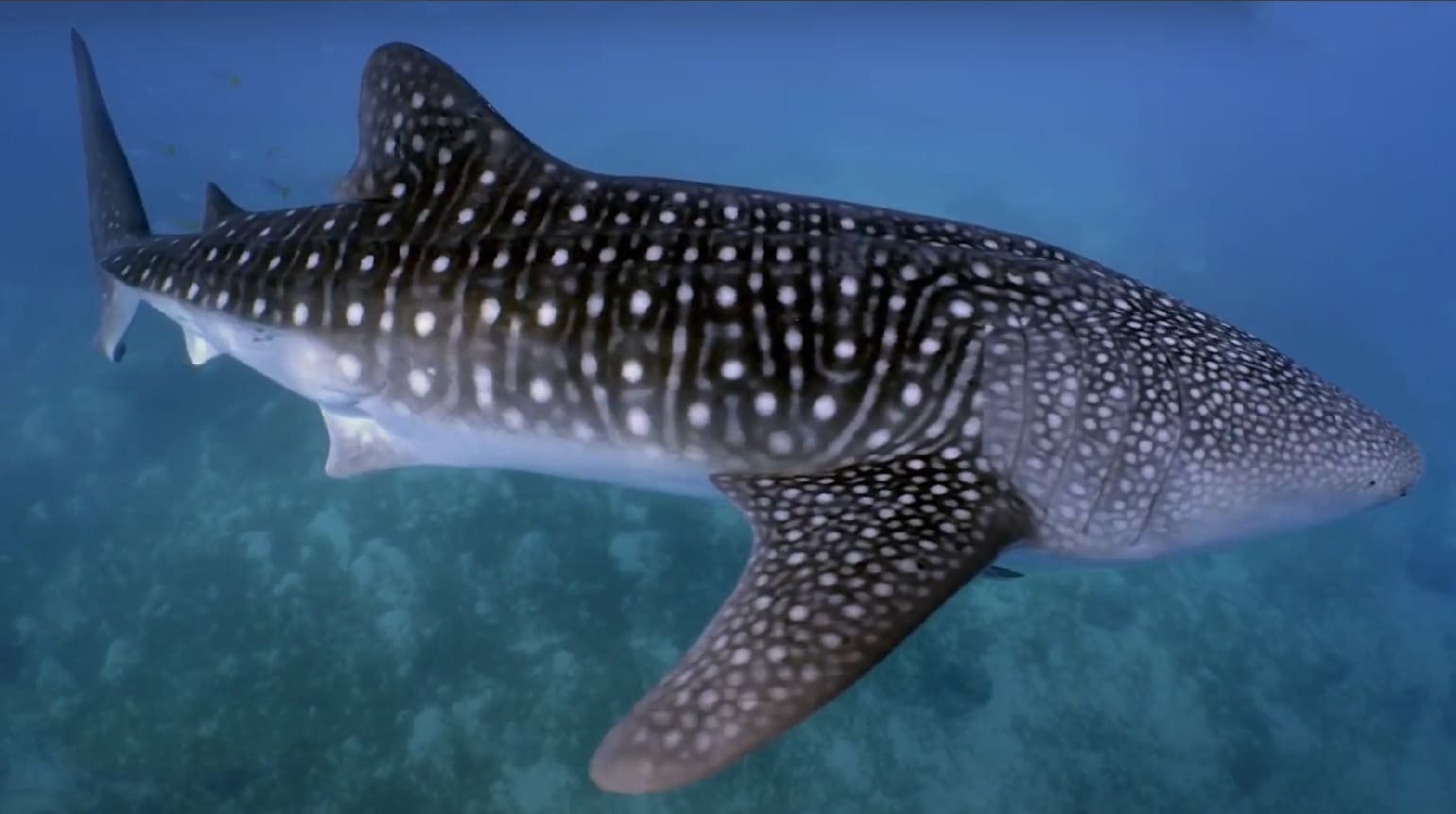
Rhincodon typus
The body is strong and thick, the head is relatively small. The shape of the head …
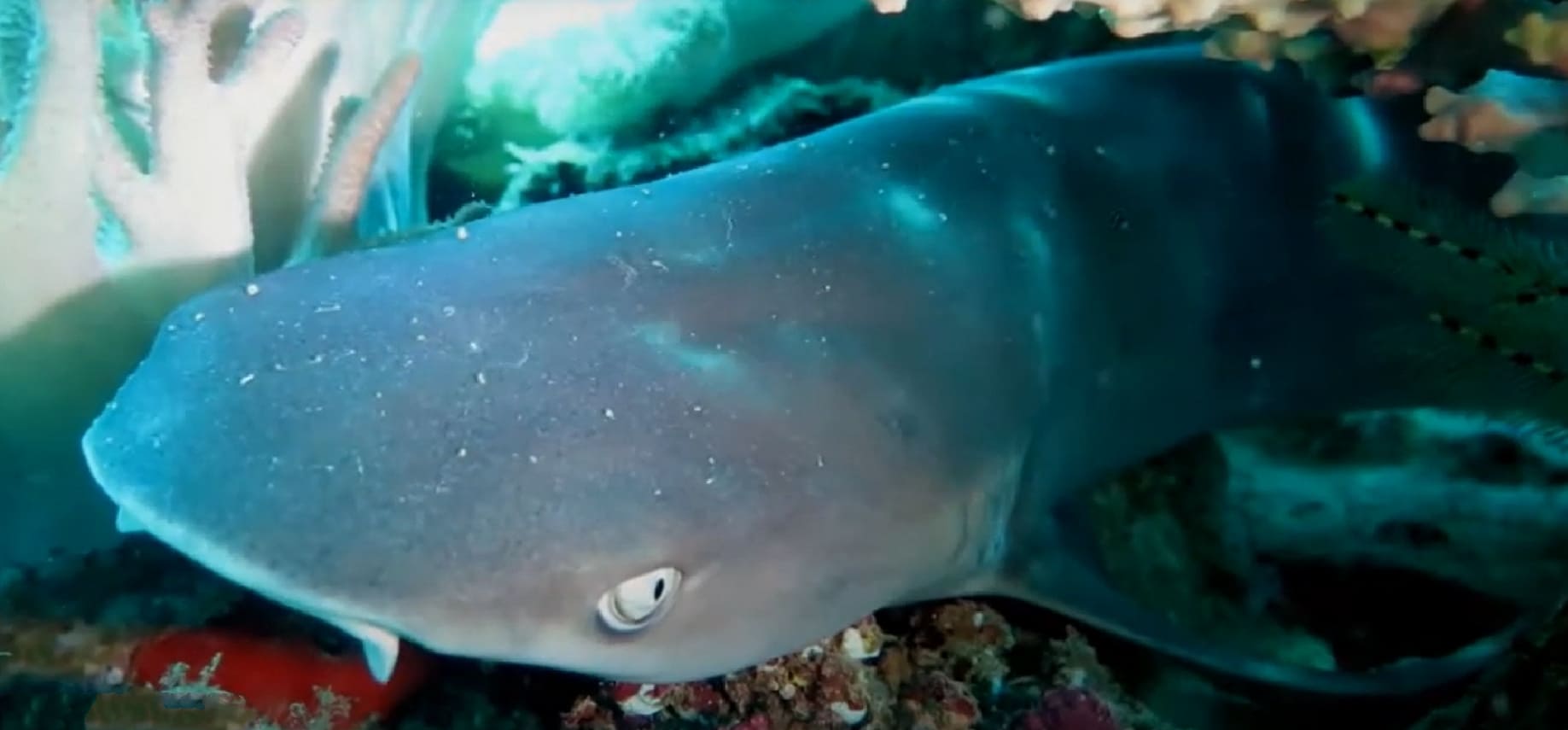
Triaenodon obesus
A small shark with a slender body and a broad, flat head. The snout is rounded …
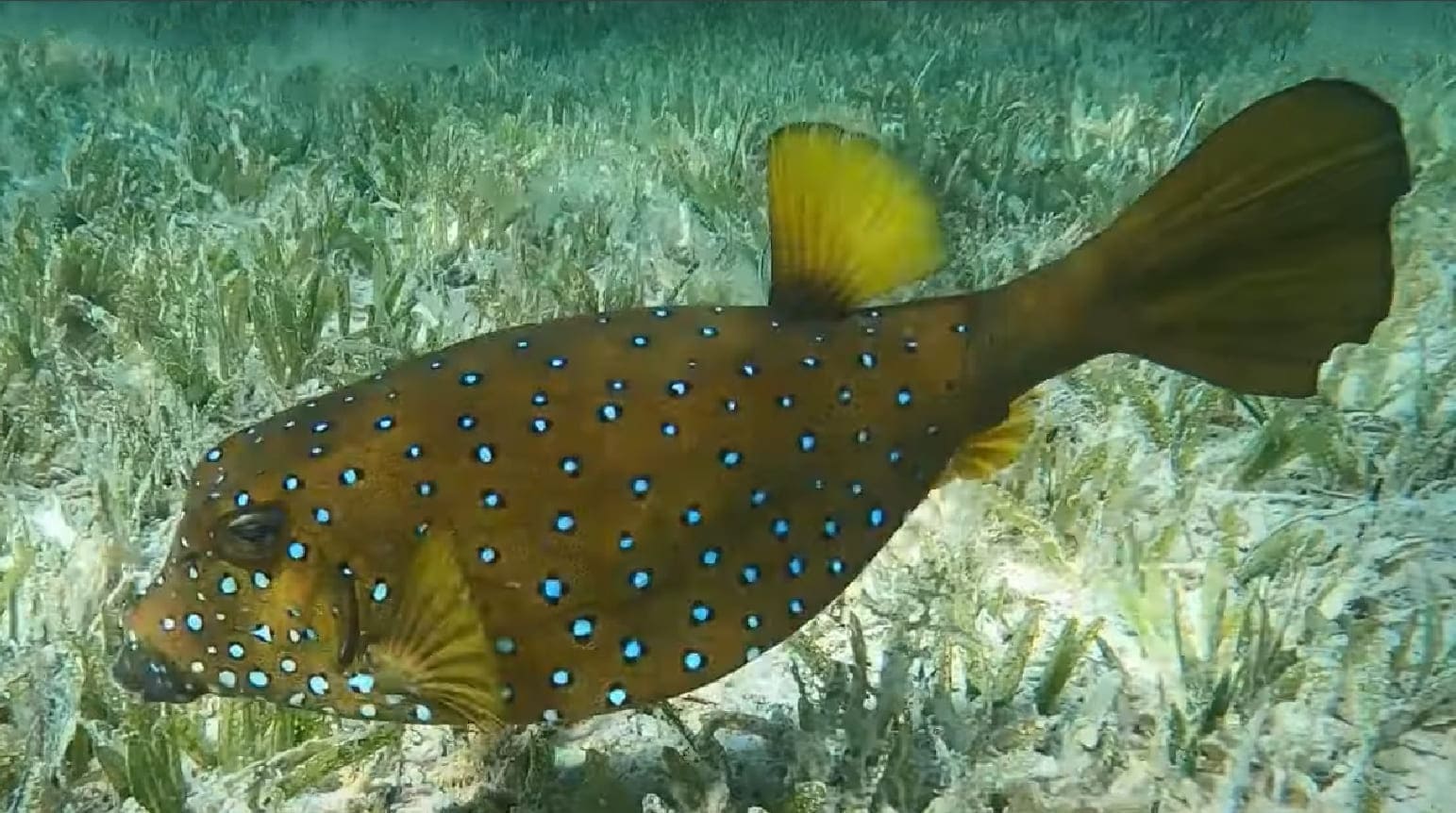
Ostracion cubicum
They have a cube-shaped body, from which they got their name. The body of the fish …