

Latin name
Naucrates ductor
Other names
Pilot fish
Identification
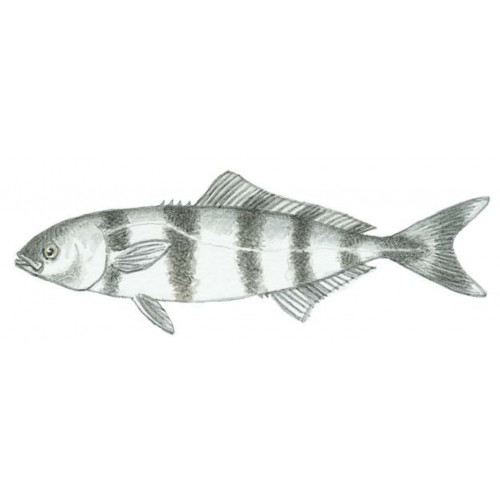
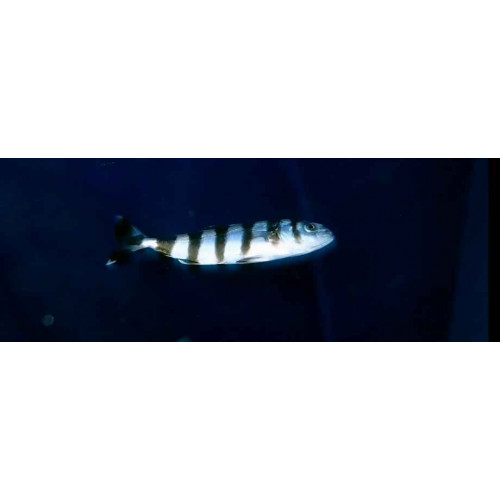
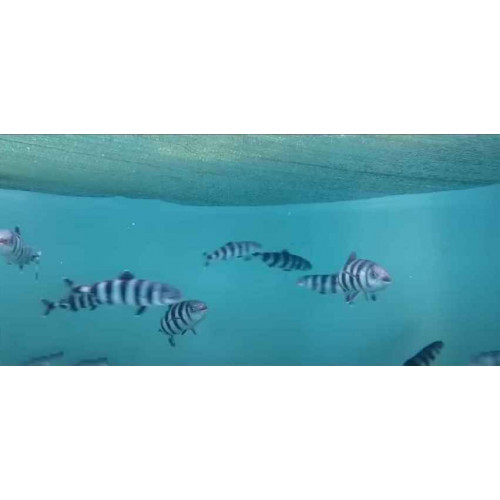
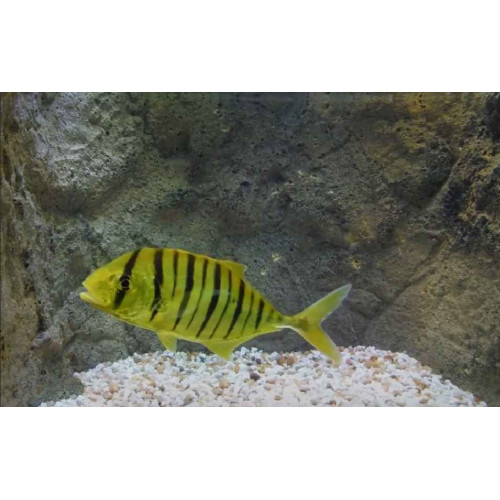
The fish has five to seven dark vertical stripes on its elongated body and a low dorsal fin with four spines.
Distribution
Widely distributed in the Atlantic, Pacific and Indian Oceans.
Habitat
A pelagic marine fish that inhabits the open parts of seas and oceans.
Known for accompanying great sharks on their ocean wanderings, as well as whales, rays, schools of various other fish and ships. One fish is said to have followed a sailing ship for 80 days.
Size
Her maximum height can reach 27 inches.
Life history and Behavior
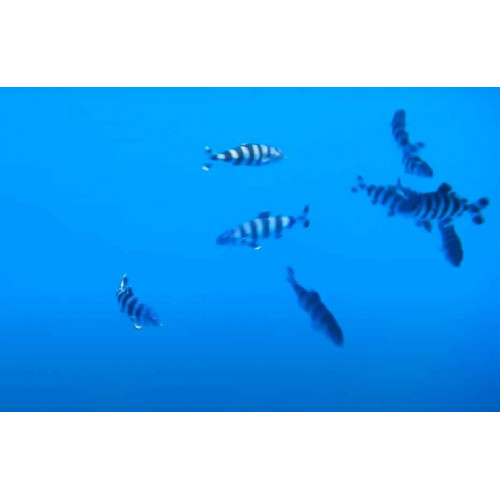
Pilot fish often swim alongside sharks, rays, and sea turtles. They use sharks for protection from other predators and for access to food scraps. In return, the sharks get cleaned of parasites.
Food and feeding habits
They feed on leftover food, as well as parasites, small fish and invertebrates.
Reproduction
It reproduces in the open sea, releasing eggs into the water column. Larvae hatch from the eggs, develop in the plankton, and then gradually transform into juveniles.
| Classification | |
| Phylum | Chordata |
| Class | Actinopterygii |
| Squad | Carangiformes |
| Family | Carangidae |
| Genus | Naucrates |
| Species | N. ductor |
| Features | |
| Conservation status | Least Concern |
| Habitat | Pelagic |
| Life span, years | No information |
| Maximum body weight, kg | No information |
| Maximum length, cm | 70 |
| Sailing speed, m/s | No information |
| Threat to people | Edible |
| Way of eating | Predator |
Pilotfish
Tags: Pilotfish